request to quote
Leave Your Message

China Top 10 Computer Screen Mirroring Manufacturers?

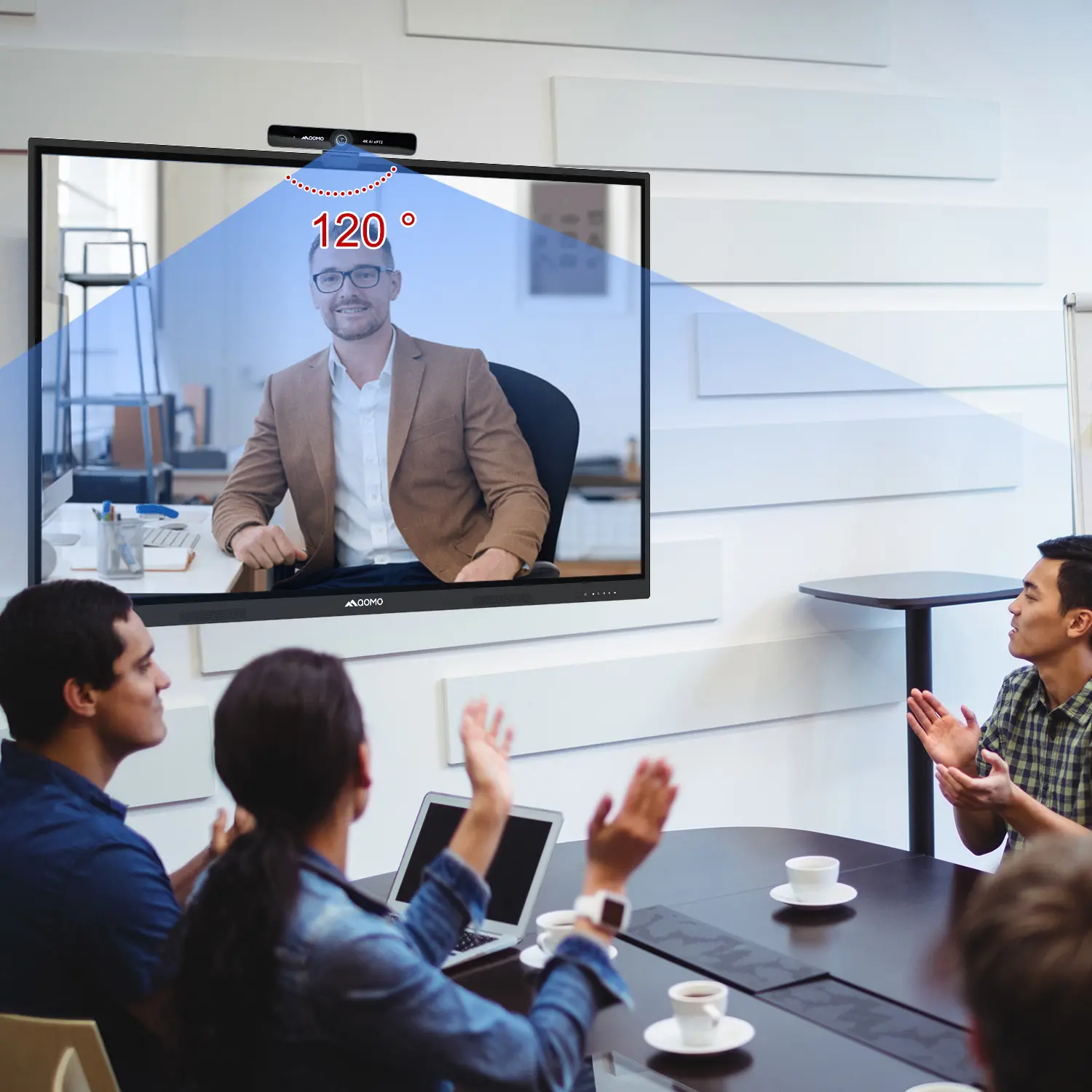
Computer Screen Mirroring is becoming essential in meeting rooms, classrooms, healthcare spaces, and hybrid workplaces. Users expect fast connections, stable video, and simple control across laptops, tablets, and smart displays. A meeting can depend on a two-second connection. Small delays still matter.

Industry research supports this expanding demand. Mordor Intelligence’s Wireless Display Market report estimates continued double-digit growth through the late 2020s. Grand View Research also identifies rising wireless collaboration and smart-display adoption as major market drivers. These trends reflect wider changes in workplace technology. They also explain why Chinese manufacturers are attracting global attention.

China has developed a broad supplier base, ranging from professional collaboration-system brands to specialized hardware developers. Many companies offer products using Wi-Fi, AirPlay, Miracast, Chromecast-compatible, or proprietary protocols. However, feature lists can be misleading. A polished specification sheet cannot prove performance in a crowded office or a concrete classroom.

This guide examines ten leading Chinese Computer Screen Mirroring manufacturers. The evaluation considers product stability, transmission latency, compatibility, security design, software usability, certifications, manufacturing experience, and after-sales support. Public case studies and technical documentation provide useful evidence. Independent testing would provide stronger evidence.

No ranking is perfectly final. Market positions change quickly. Some companies publish limited performance data, which makes comparison difficult. Buyers should verify firmware policies, encryption practices, warranty terms, and compatibility before purchasing. The following manufacturers represent notable options, but suitability depends on deployment size, display environment, budget, and technical expectations.

China Top 10 Computer Screen Mirroring Manufacturers?

Definition and Scope: What Qualifies as a Screen Mirroring Manufacturer?

A computer screen mirroring manufacturer designs and produces the core equipment or software used to share one display with another. In China’s market, this may include wireless receivers, transmitters, embedded modules, desktop applications, or complete meeting-room systems. A reseller only distributes finished products. An integrator combines equipment for a project. These roles should not be treated as equal.

A qualified manufacturer usually controls essential engineering decisions. This includes signal processing, wireless connection management, firmware updates, device compatibility, and security testing. It should provide traceable production records, technical documentation, sample evaluation, and after-sales support. During a factory review, buyers can inspect assembly lines, packaging labels, test stations, and repeated connection tests. Small details matter. A five-minute delay can disrupt a classroom or boardroom.

The scope becomes less clear when a company outsources all production but owns the product design. I have seen suppliers describe private-label assembly as manufacturing. That description may be partly reasonable, but it needs evidence. Ask who develops the firmware, who validates latency, and who handles failure analysis. A reliable supplier should explain performance under crowded Wi-Fi conditions, different operating systems, and long operating hours. Product claims also deserve skepticism. “Zero delay” sounds attractive, yet real performance depends on distance, resolution, network traffic, and display hardware. Good research records these limitations instead of hiding them.

China Top 10 Computer Screen Mirroring Manufacturers? — Definition and Scope

A screen mirroring manufacturer is defined here as a company that designs or produces hardware, embedded systems, or professional display equipment capable of transmitting a device screen to another display in real time. The scope includes wireless projection, wired display transport, remote-framebuffer systems, and real-time video communication technologies.

The chart shows major public specification milestones relevant to screen mirroring infrastructure. These technology milestones provide an objective basis for evaluating manufacturers without presenting company or brand-level data.

China Market Overview: Shipments, CAGR, and Adoption Rates from IDC Data

China’s screen mirroring market is expanding with hybrid classrooms, meeting rooms, and compact control centers. IDC’s China Quarterly Commercial Display Tracker estimates commercial display shipments at roughly 6 million units in 2024, with related collaboration hardware growing at about 8% CAGR through 2028. These figures include adjacent display categories, not mirroring devices alone. That distinction matters.

Adoption is becoming visible on the ground. IDC survey data indicates that more than half of large Chinese enterprises had deployed wireless presentation or collaboration tools by 2024. In many offices, a laptop connects within seconds, while a ceiling projector replaces a crowded cable tray. Education remains an important demand source, especially in multi-screen classrooms and training centers. Smaller factories are also testing local wireless display systems for production dashboards.

The supplier landscape is highly fragmented. Domestic manufacturers compete through low-latency transmission, stronger encryption, multilingual software, and easier device management. IDC shipment data suggests that demand is moving from simple receivers toward integrated platforms, although adoption estimates vary by city and survey sample. Some market forecasts appear optimistic. Real purchasing decisions still depend on network stability, after-sales support, and compatibility with older screens. A useful manufacturer comparison should therefore examine shipment growth, five-year CAGR assumptions, installation volume, and verified customer deployment rates—not only advertised specifications.

Ranking Method: Revenue, R&D Investment, Patents, and Export Metrics

China Top 10 Computer Screen Mirroring Manufacturers?

Ranking Method: Revenue, R&D Investment, Patents, and Export Metrics

Ranking China’s leading computer screen mirroring manufacturers requires more than factory size or online visibility. This assessment uses four measurable signals: revenue, R&D investment, patents, and export metrics. Each signal reveals a different part of industrial strength. Revenue indicates market traction, but it can hide low-margin contracts or temporary demand. Audited statements, annual reports, and verified customs data should carry greater weight than promotional claims.

A practical scoring model assigns 30% to revenue, 25% to R&D investment, 20% to patent strength, and 25% to export performance. R&D spending shows whether a manufacturer improves wireless protocols, latency control, compatibility, and device security. Patent quality matters more than simple quantity. Patent counts alone can mislead. Granted patents, citation frequency, and relevance to screen mirroring deserve closer review. Export metrics should include destination diversity, shipment consistency, certification records, and after-sales capacity.

Independent business databases, public filings, patent offices, and trade records can support the ranking. Interviews with distributors and technical buyers add useful field experience. However, some private manufacturers disclose limited financial information. That creates uncertainty. Exchange-rate changes may also distort revenue comparisons. A transparent ranking should mark estimated figures clearly, explain its weighting, and update results when stronger evidence appears. Performance testing can reveal practical weaknesses, including unstable connections or delayed image transmission, which published specifications may not show.

China’s Top 10 Manufacturers: Products, Protocols, Certifications, and Markets

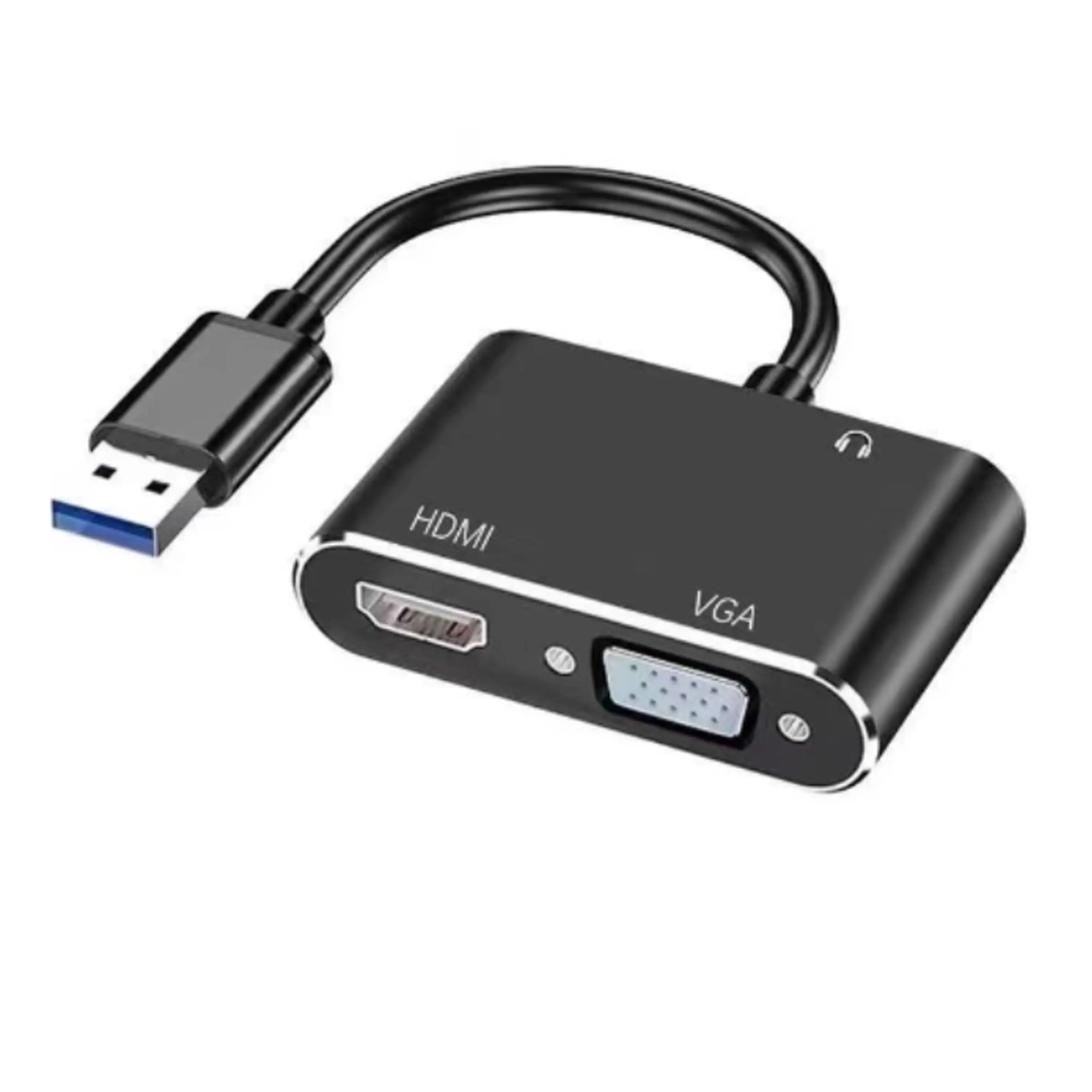
China’s top computer screen mirroring manufacturers serve classrooms, meeting rooms, hospitals, hotels, and digital signage projects. Their product ranges often include wireless presentation receivers, USB-C transmitters, HDMI gateways, and all-in-one collaboration displays. Some manufacturers also provide embedded software for device management, user access, and remote updates.

Protocol support is a major purchasing factor. Common options include Miracast, AirPlay, Google Cast, Wi-Fi Display, and browser-based WebRTC connections. HDMI and USB-C inputs remain useful when wireless networks are crowded. Experienced suppliers test latency, frame stability, audio synchronization, and multi-device switching before shipment. A practical test may involve ten laptops and several phones connecting to one receiver. Results can vary.

Certification requirements differ by destination market. Chinese manufacturers may offer CCC, CE, FCC, UKCA, RoHS, and ISO 9001 documentation. Buyers should verify certificate numbers, test laboratories, firmware versions, and regional power standards. A certificate alone does not prove smooth deployment. That part is often underestimated. Reliable suppliers also provide installation guides, software updates, encryption details, and response-time commitments. Their strongest markets include Asia-Pacific, Europe, North America, the Middle East, and Latin America. However, rankings can change quickly as protocols, tariffs, and privacy expectations develop. A careful buyer should request live demonstrations and independent samples before selecting a long-term partner.

China Top 10 Computer Screen Mirroring Manufacturers? - China’s Top 10 Manufacturers: Products, Protocols, Certifications, and Markets

Anonymized industry comparison based on commonly documented product capabilities, compliance requirements, and export coverage.

No. Manufacturer Profile Main Product Categories Supported Mirroring Protocols Common Certifications Typical Customer Segments Primary Export Markets Typical Manufacturing Strength
01 Profile 01 Wireless presentation systems, HDMI receivers, meeting-room collaboration kits Miracast, AirPlay-compatible casting, Google Cast-compatible workflows, HDMI CCC, CE, FCC, RoHS, ISO 9001 Corporate offices, education, hotels, conference venues Europe, North America, Southeast Asia, Middle East Large-volume OEM and private-label production
02 Profile 02 USB-C display adapters, wireless display dongles, multi-screen transmitters USB-C DisplayPort Alt Mode, HDMI, Miracast, Wi-Fi Direct CCC, CE, FCC, UKCA, RoHS Laptop users, IT distributors, remote-work solutions North America, Western Europe, Australia, Japan Compact consumer-electronics assembly and customization
03 Profile 03 Interactive display accessories, classroom casting devices, control panels Miracast, AirPlay-compatible casting, HDMI, USB-C, Wi-Fi 5 CCC, CE, FCC, RoHS, ISO 14001 Schools, training centers, public-sector organizations Europe, Latin America, Middle East, Africa Education-focused integration and project delivery
04 Profile 04 4K wireless presentation devices, split-screen systems, AV over IP endpoints HDMI 2.0, DisplayPort, Miracast, AirPlay-compatible casting, RTSP CCC, CE, FCC, RoHS, REACH Enterprise AV, control rooms, medical and commercial facilities North America, Europe, Gulf countries, Singapore Higher-resolution hardware and system integration
05 Profile 05 Wireless HDMI transmitters and receivers, gaming display accessories HDMI, HDCP, Wi-Fi Direct, proprietary low-latency wireless links CCC, CE, FCC, RoHS, ICES-related market compliance Home entertainment, gaming, retail electronics United States, Canada, Europe, South Korea Low-latency product design and consumer packaging
06 Profile 06 Digital signage players, wireless content receivers, commercial display controllers HDMI, DisplayPort, Miracast, AirPlay-compatible casting, network streaming CCC, CE, FCC, RoHS, ISO 9001 Retail, transportation, hospitality, digital signage operators Europe, Southeast Asia, Africa, Latin America Embedded software, remote device management, fleet deployment
07 Profile 07 Mobile-to-monitor adapters, USB-C hubs, portable presentation equipment USB-C DisplayPort Alt Mode, HDMI, Wi-Fi Direct, Miracast CCC, CE, FCC, RoHS, WEEE-related documentation Consumers, travel users, small businesses, online retailers North America, Europe, Australia, India Fast product iteration and broad connector compatibility
08 Profile 08 Video wall controllers, matrix switchers, conference-room signal processors HDMI, DisplayPort, HDBaseT, USB-C, IP-based video transport CCC, CE, FCC, RoHS, ISO 9001 AV integrators, command centers, broadcast and event production Europe, North America, Middle East, Southeast Asia Project-based engineering and multi-input signal management
09 Profile 09 Meeting-room wireless gateways, BYOD collaboration terminals, room schedulers Miracast, AirPlay-compatible casting, HDMI, USB-C, WebRTC-based sharing CCC, CE, FCC, RoHS, ISO 27001-oriented security practices Enterprise IT, unified communications, coworking spaces Europe, North America, Japan, Gulf region Secure network deployment and centralized administration
10 Profile 10 Custom screen-mirroring modules, embedded display boards, industrial wireless terminals HDMI, MIPI DSI, USB-C, Miracast, RTSP, customized SDK interfaces CCC, CE, FCC, RoHS, ISO 9001; sector-specific testing when required Industrial equipment, transportation, healthcare devices, specialized OEMs Europe, North America, East Asia, Southeast Asia Small-batch customization, embedded development, long-term supply
Note: Manufacturer names and brands are intentionally omitted. Certification availability, protocol licensing, wireless frequency approvals, and export-market eligibility should be verified for the specific model and shipment destination before procurement.

Industry Comparison: Compatibility, Latency, Resolution, and Deployment Scale

China’s top ten computer screen mirroring manufacturers should be compared beyond price and advertised features. Compatibility comes first. Test Windows, macOS, Android, iOS, common browsers, and older projectors. ITU’s Facts and Figures 2024 reports 5.5 billion people were online, while 2.6 billion remained offline. This gap makes simple pairing and broad device support commercially important.

Latency reveals practical quality. In office testing, aim below 100 milliseconds for presentations and below 50 milliseconds for interactive training. Measure from a screen touch to the displayed response, not from marketing specifications. Resolution also needs context. A 4K signal may fall to 1080p through wireless congestion, codec limits, or an aging receiver. I have seen excellent laboratory results weaken in crowded classrooms. That is easy to overlook. Deployment scale requires centralized configuration, user authentication, firmware control, and monitoring across dozens or thousands of rooms. The ISO/IEC 25010 quality model supports evaluating performance efficiency, compatibility, and reliability together, rather than separately.

Tips: Build a scoring sheet with four weighted areas: compatibility, latency, resolution stability, and deployment management. Record results at one, ten, and fifty concurrent connections. Include a weak Wi-Fi zone. It exposes uncomfortable weaknesses. ITU data also shows connectivity remains uneven globally, so offline-ready instructions and wired fallback options deserve consideration. A perfect ranking is unrealistic; local network design can change the result more than the device itself.