+86 152 8002 3723
QVoteProfessional Audience Response System software offers the most convenient functions for your interactions.
QClickThe most convenient educational software for working with Microsoft PowerPoint to quickly set up various question types and generate intelligent feedback reports.
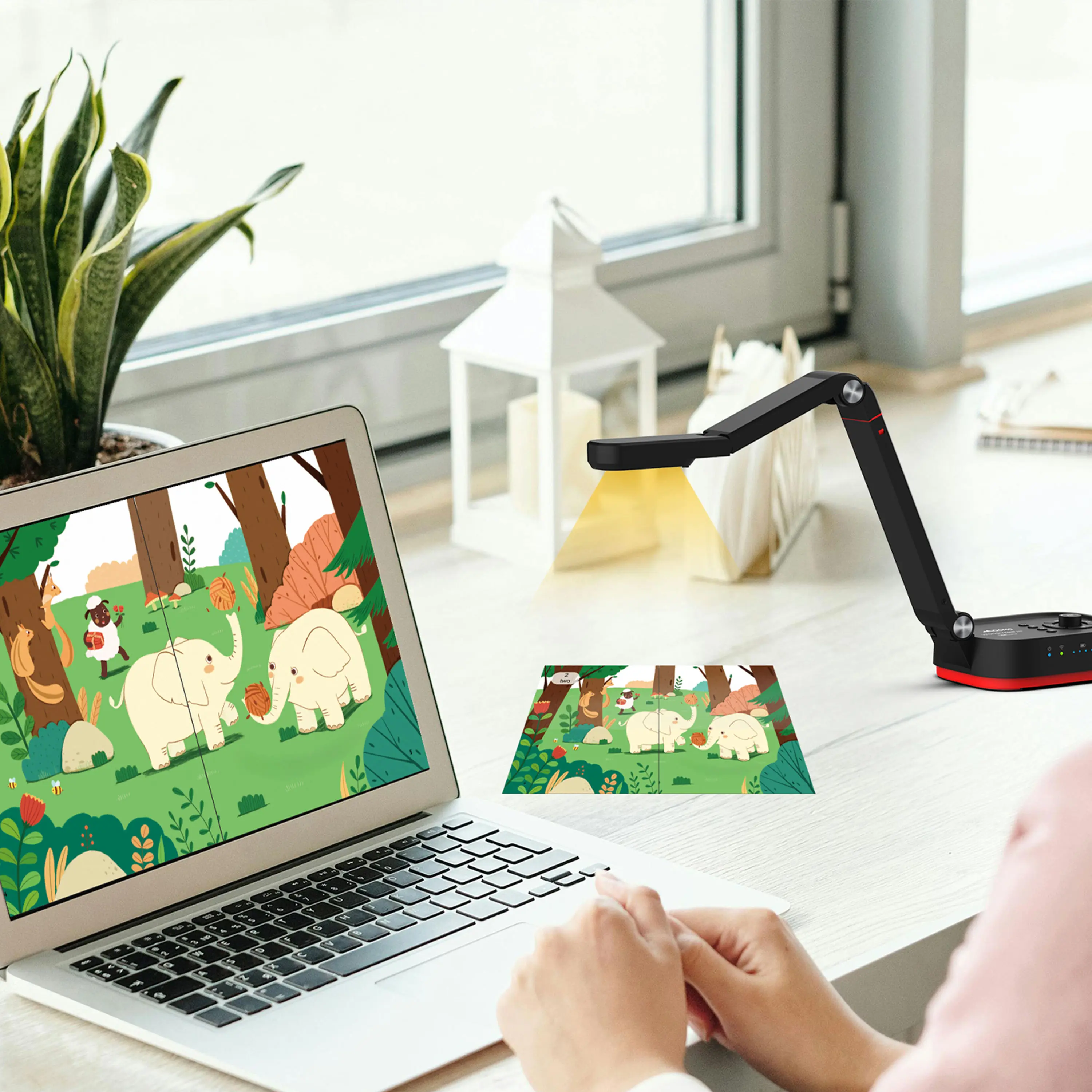
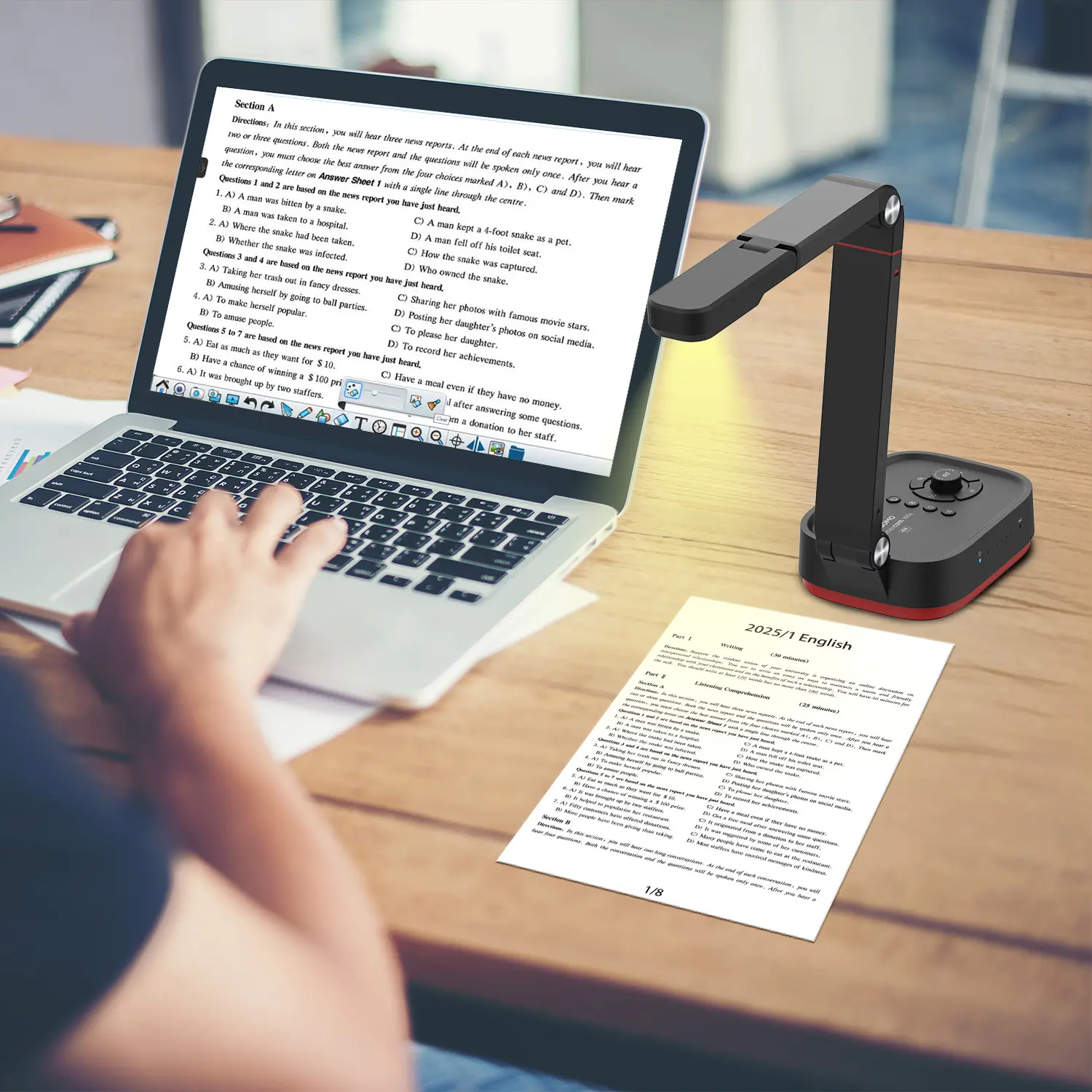
QCameraQCamera by QOMO allows for real-time streaming from cameras and document cameras. Annotate, save snapshots, record, and manipulate camera images instantly.
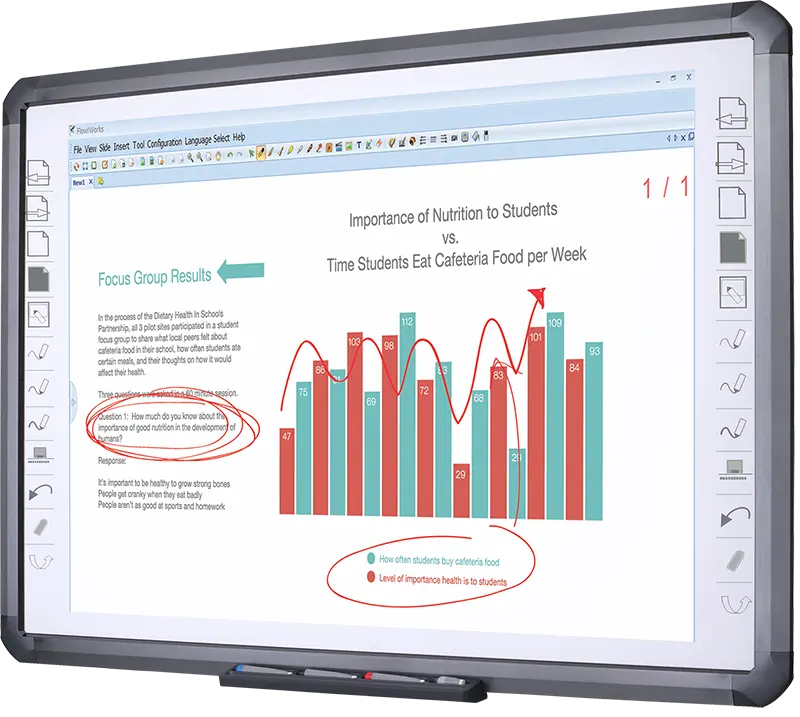
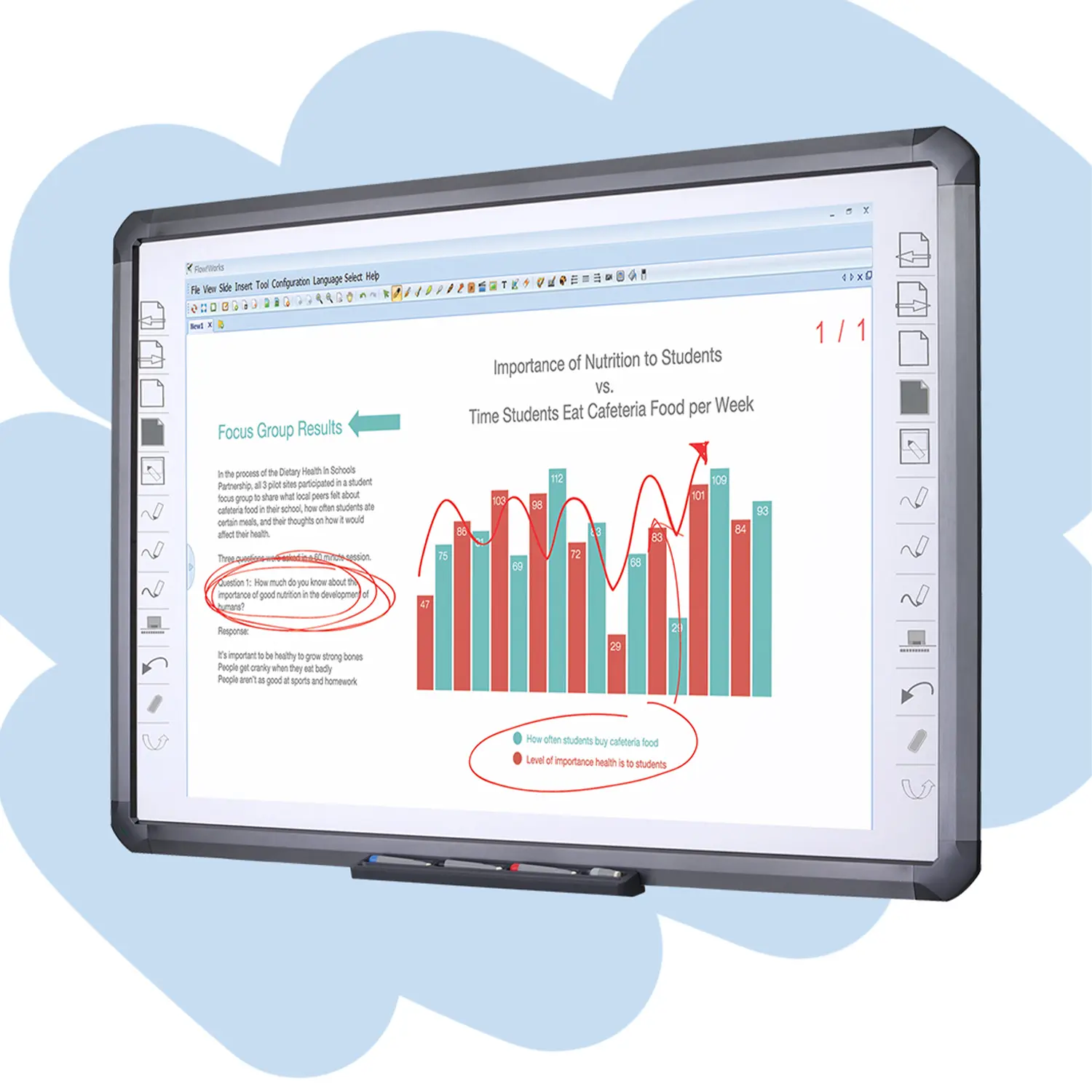
Flow!Works ProUser - friendly whiteboard software, it encompasses a wide range of presentation tools and powerful functions, delivering the most professional presentation experience to you.
Flow!WorksFlow!Works incorporates more educational tools, further enhancing the interactivity and fun - factor of your teaching.
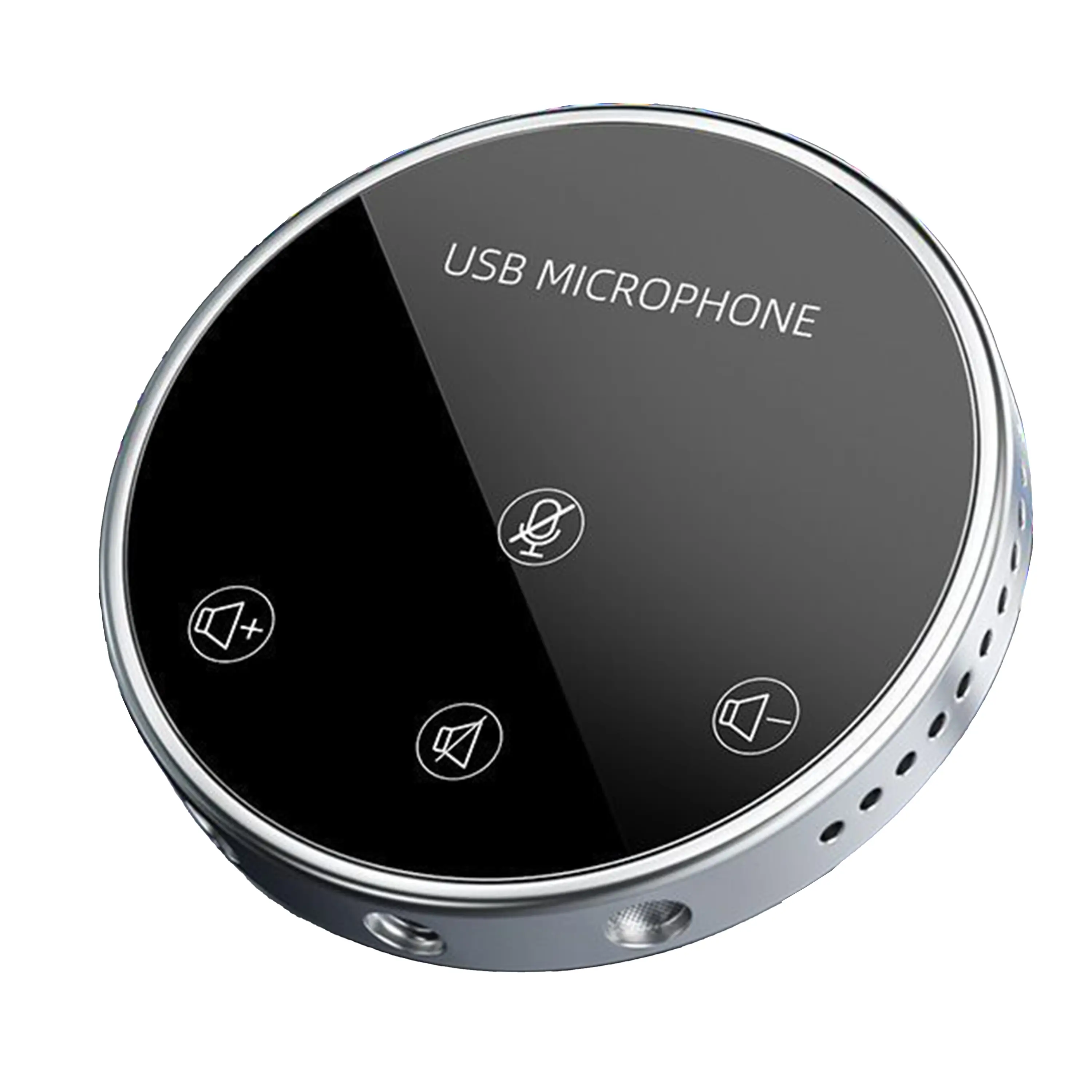
Conference Microphone● USB
● Plug and Play
● Intelligent Noise-Canceling
● 10ft/3m Extended Pickup Range
● 360° Omnidirectional Pickup
Conference Speakerphone● USB-C
● Plug and Play
● Intelligent Noise-Canceling
● 10ft/3m Extended Pickup Range
● 360° Omnidirectional Pickup
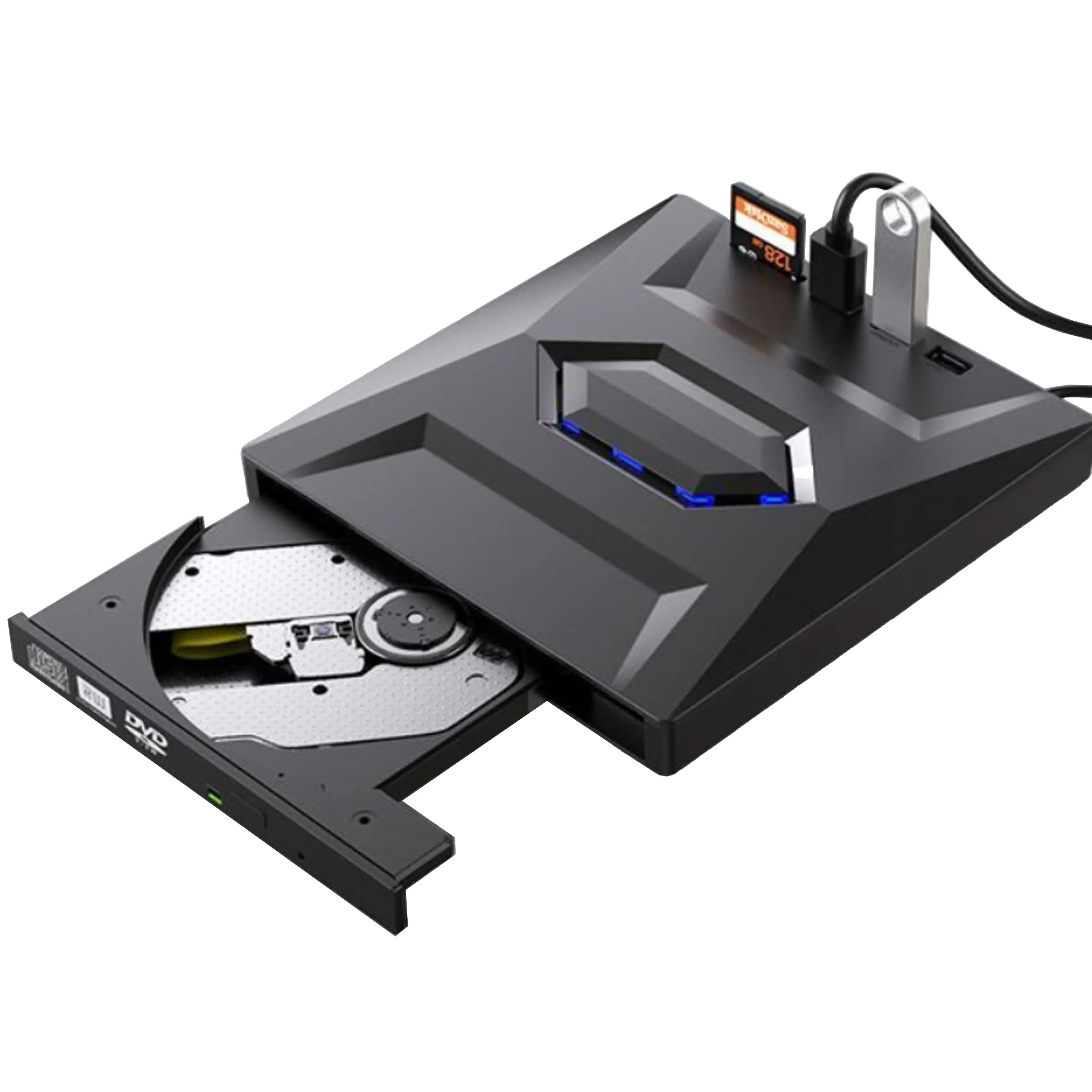
USB External CD/DVD Drive• USB and USB-C
• USB 3.0
• 8x DVD and 24x CD write/read speeds
• Portable
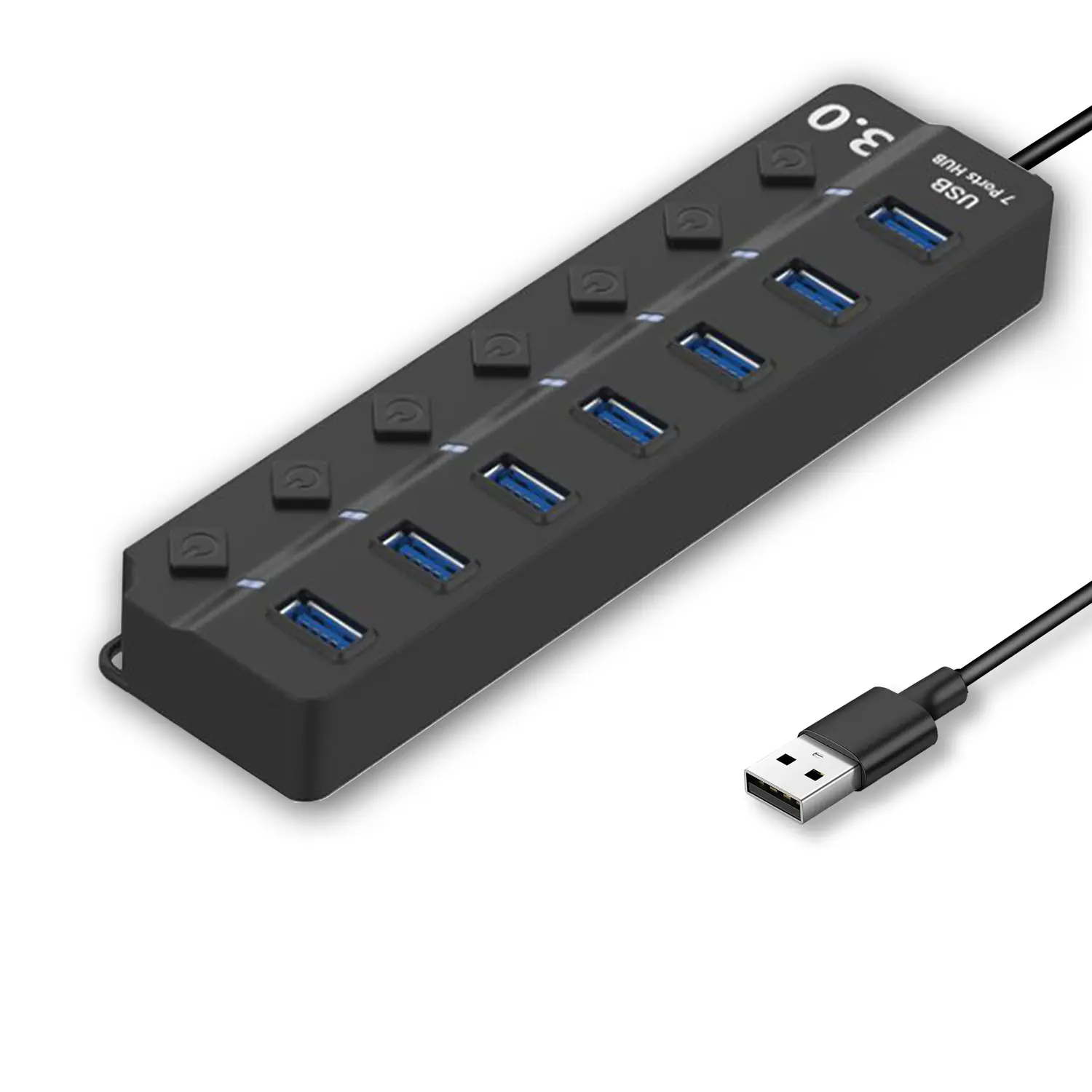
7-Port USB 3.0 Hub● USB 3.0
● Plug and Play
● 7-in-1 USB Hub
● Individual On/Off Switches
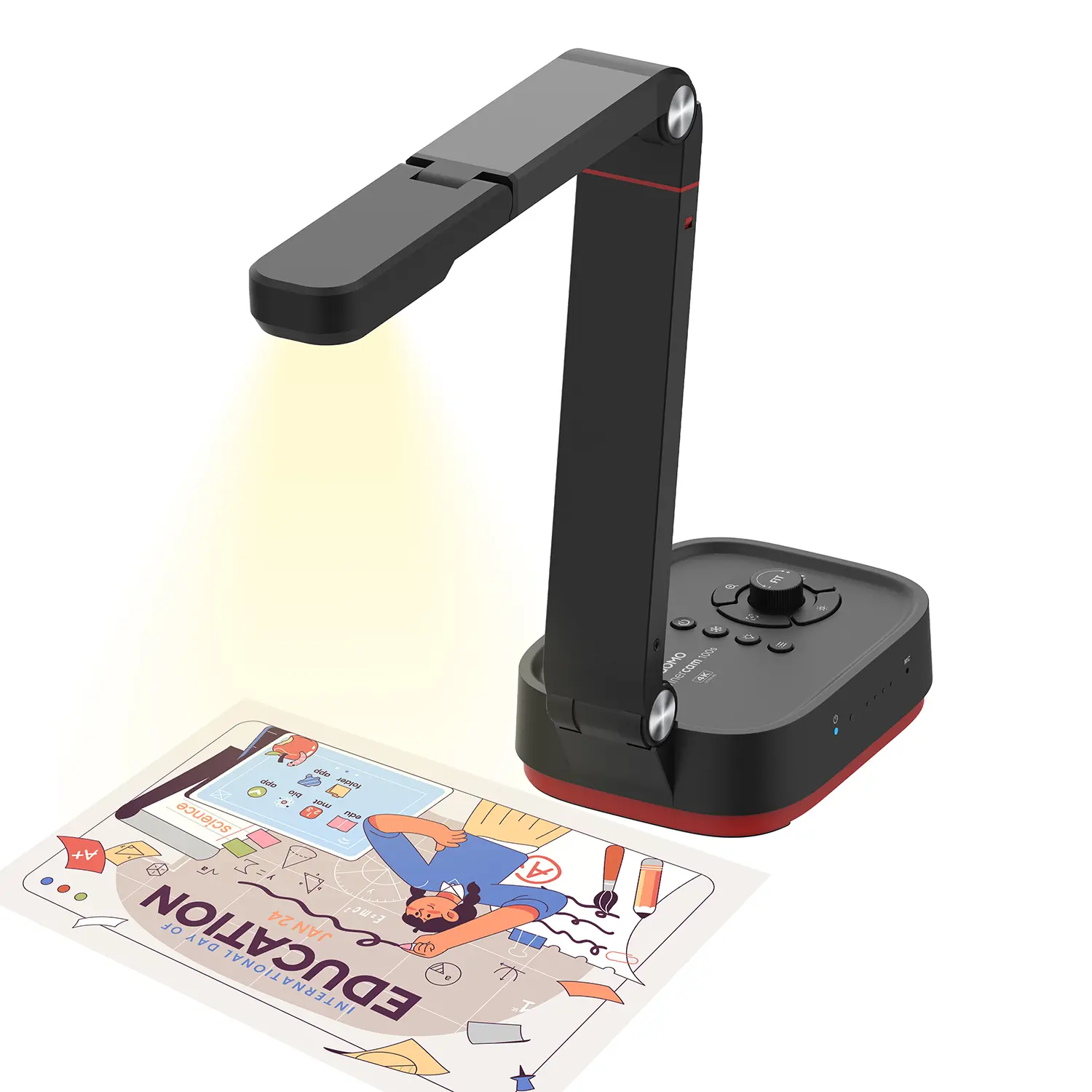
Revolutionize Your Presentations and Document Display with QWC 100S Document Camera
Enhance Call Experience: New Conference Microphone Now Available
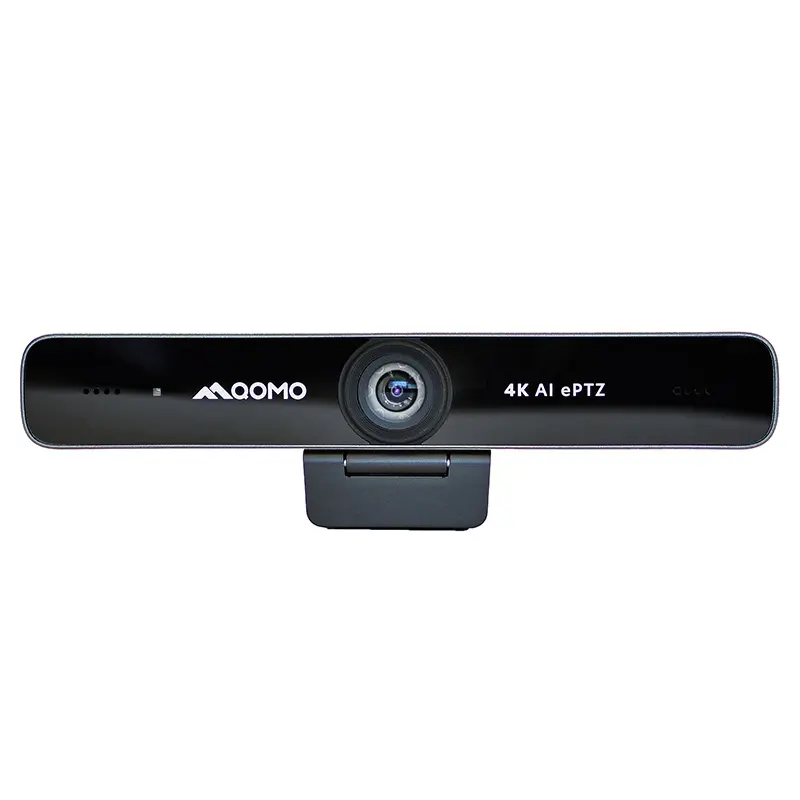
AI-Powered Face-Tracking Webcam
Portable Document Camera Recommendations
Classic Design, Exceptional Functionality: QPC 22 Document Camera
Wireless Screen Mirroring Solution for All Devices
Latest Audience Response System: QRF 999
Introducing the QPC 80H3 Gooseneck Document Camera
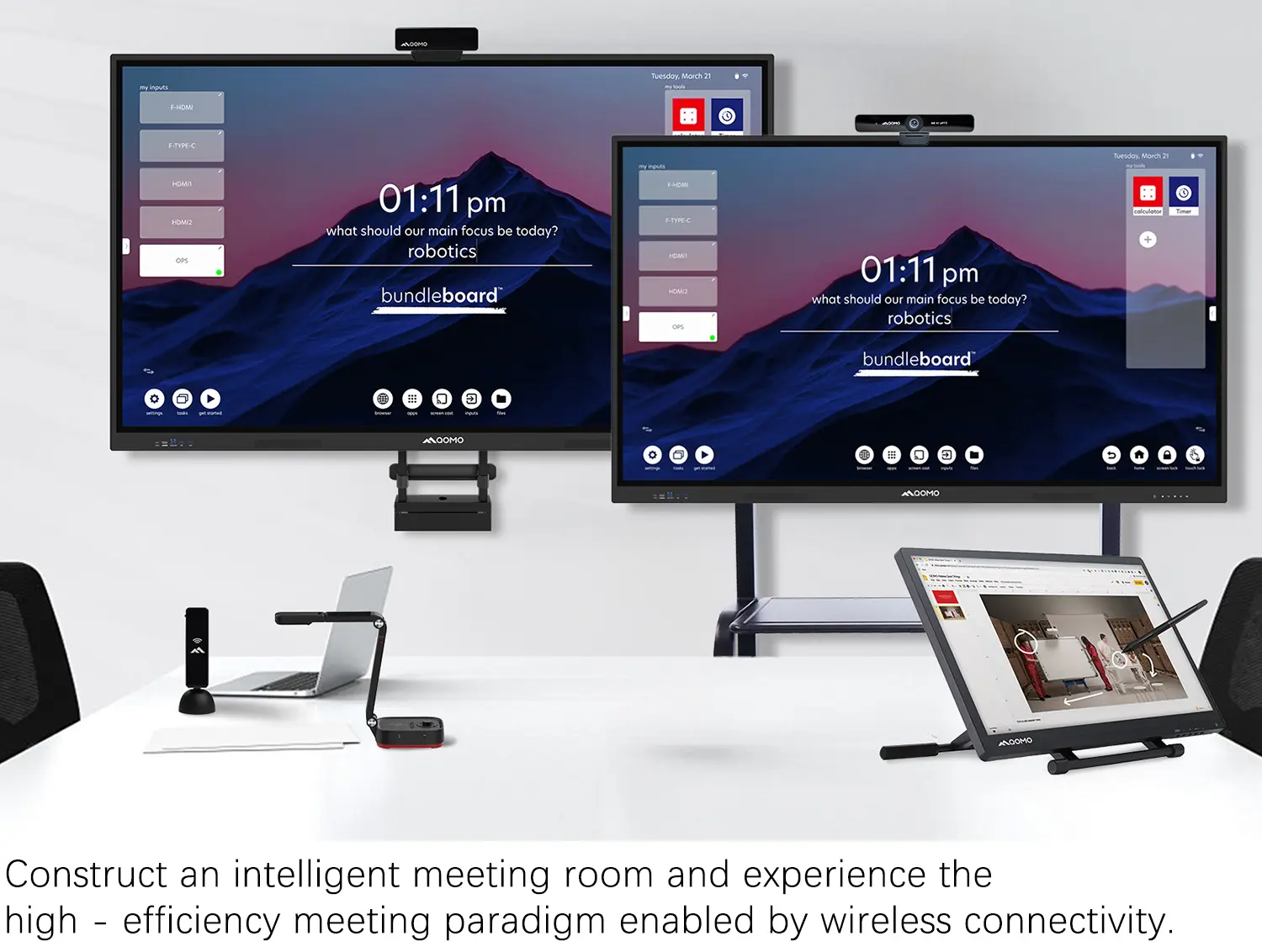
Creating a Smart Integrated Classroom: What Do You Need?
Wireless Connectivity Upgraded: WiFi-Free Wireless Document Receiver
Flow!Works Pro: Interactive Whiteboard Software for Engaging Classrooms
How to Choose the Perfect Document Camera and Elevate Productivity
QWC 004 Conference Webcam: The Top Choice for Remote Education
QCamera: Dedicated Software for Document Cameras to Elevate Your Presentations
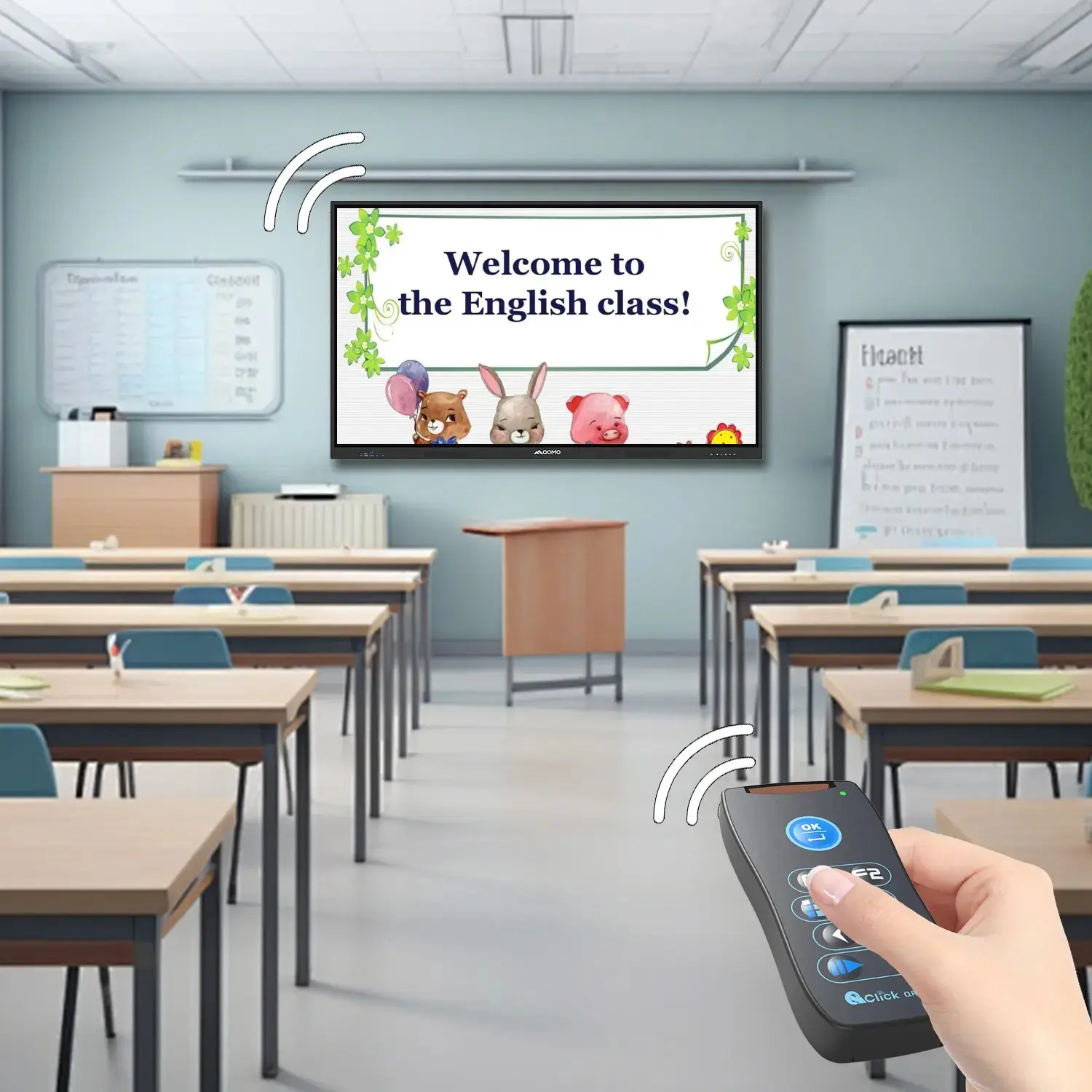
QRF999 Voice Response System: Enhancing Teacher-Student Interaction
Work From Home? Maybe You Should Try This Document Camera
The Ultimate Educational Tool: Gooseneck Document Camera
60GHz Millimeter-Wave Wireless Screen Sharing: QShare 100
What Does a Modern Conference Room Need?
QD5000 Document Camera: Unimaginable Versatility!
QWC 004: The Most Cost-Effective Webcam
QVote Interactive Classroom Response System Software
Functionality, Aesthetics, Portability! Meet the QWC 100S Document Camera!
Why Choose the BundleBoard H/H2 Interactive Flat Panel?
Save Your Budget—Introducing the All-New QPC 70 Document Camera!
QIT 600F3: Revolutionize Your Presentations
QCamera: Professional Document Camera Software
QPC 5: The Ultimate 4K Portable Document Camera
Elevate Your Meetings in Seconds: QWC 006 Webcam
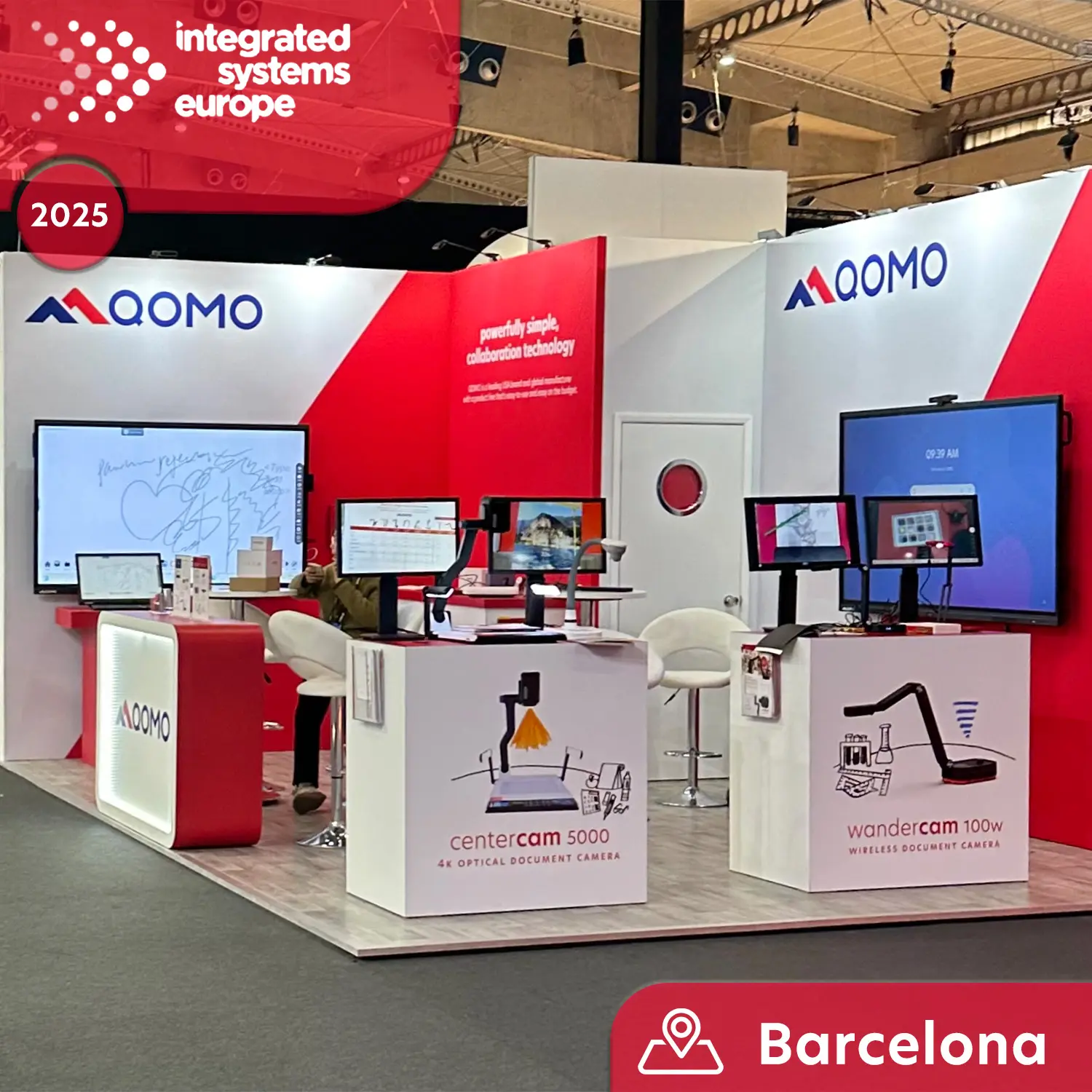
Meet QOMO at ISE 2025
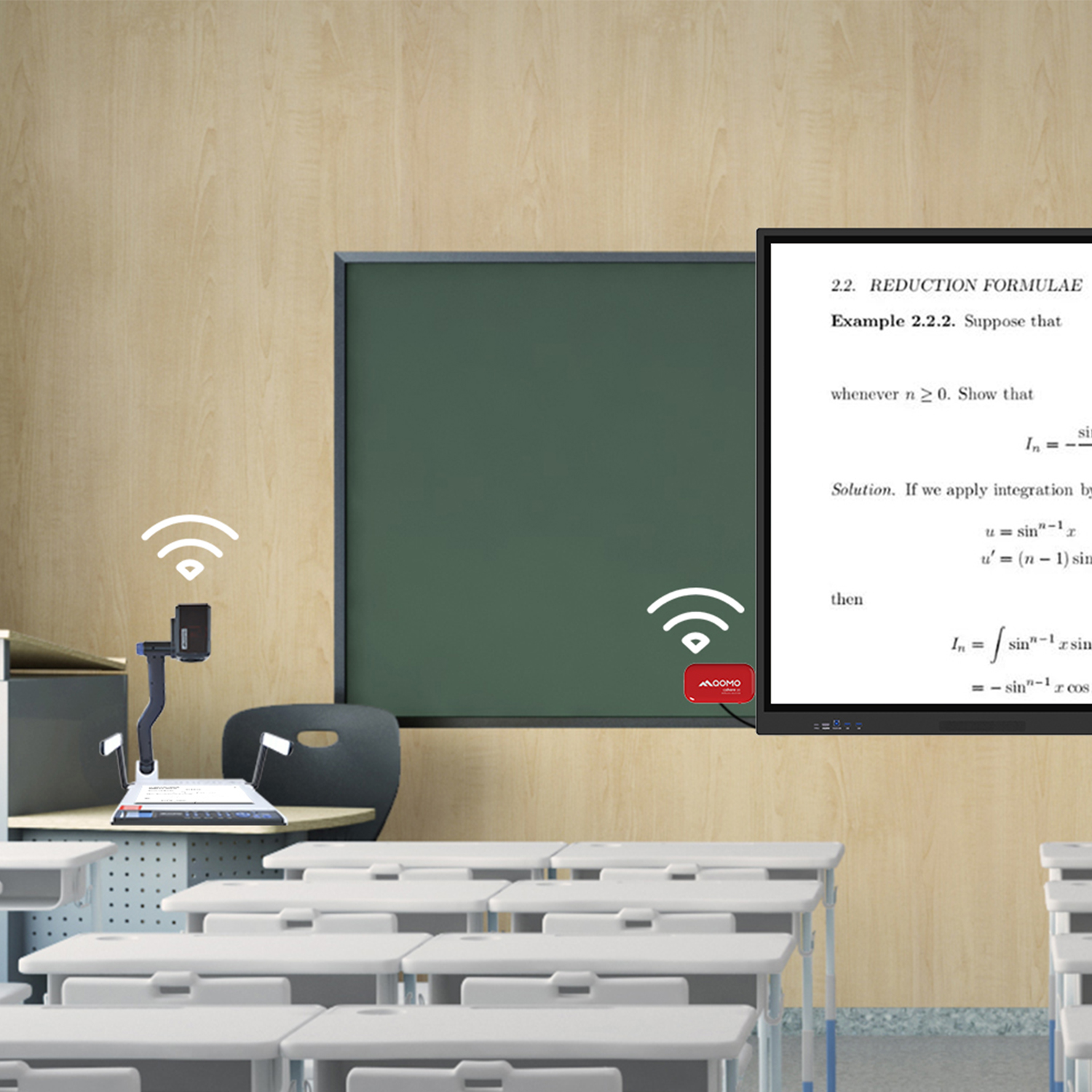
Wireless Document Camera Solution, Revolutionizing Wireless Technology
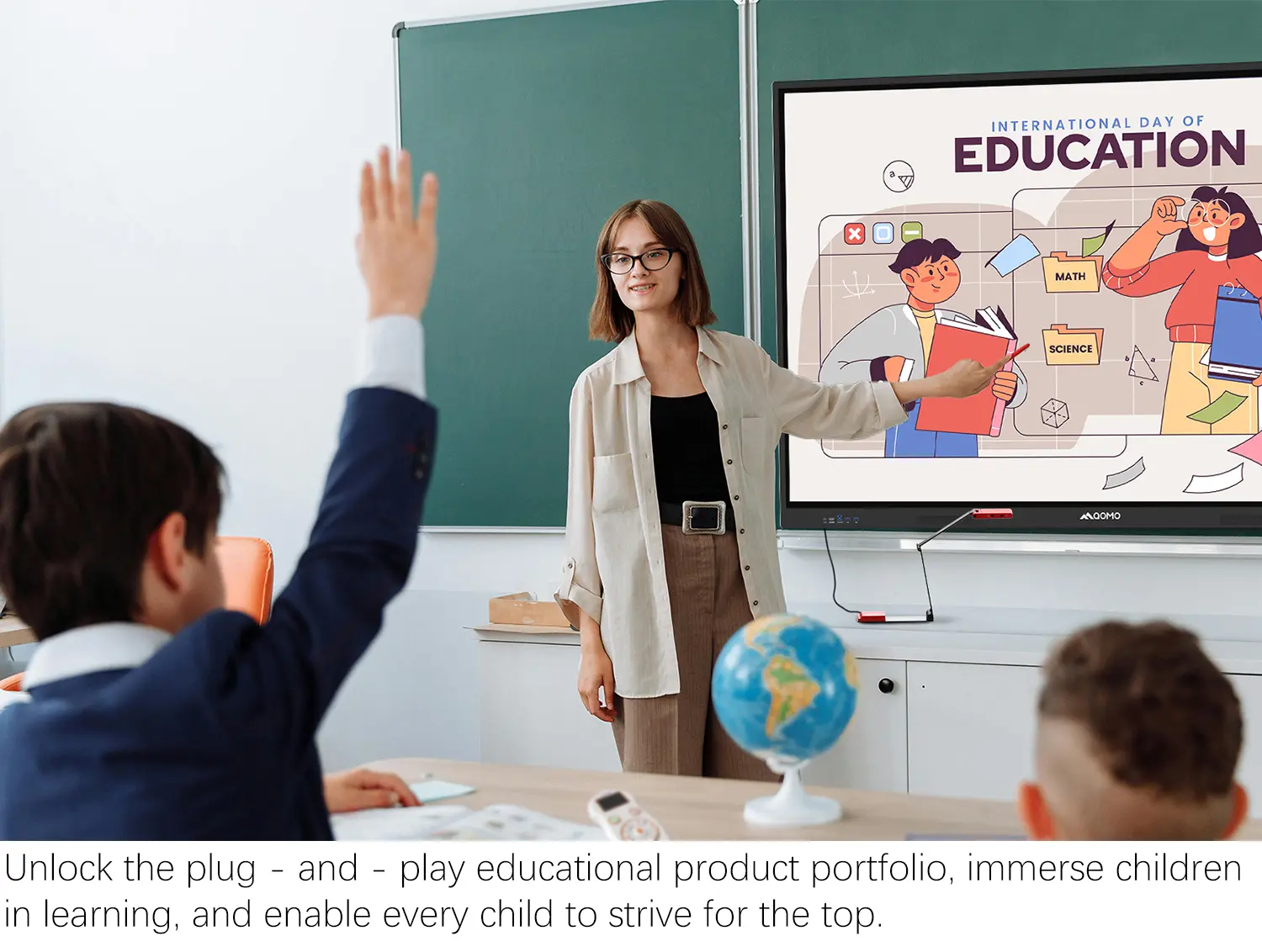
QRF Series, Transform Your Classroom!
QOMO, Building Intelligent Classrooms
QOMO QShare100 New Release
Outstanding Office Equipment Recommendations
In recent years, the demand for high-quality Cast Screen technology has surged. This trend continues into 2026, as global buyers seek innovative solutions. The market is flooded with options, yet it’s essential to discern the best choices.
Cast Screen technology offers a unique way to display content. Its applications range from home entertainment to corporate environments. Users appreciate its ability to deliver immersive experiences. However, not all products meet the standards. Some may lack reliability or user-friendly features.
Investing in top-tier Cast Screen technology can elevate viewing experiences significantly. Buyers must weigh factors like resolution, connectivity, and ease of use. Making the right choice requires thorough research and thoughtful consideration. This exploration of 2026’s top Cast Screen options aims to guide you in navigating the complexities of this vibrant market.
The evolution of top cast screen technology is fascinating. By 2026, we will see significant advancements. The technology aims to improve display quality, energy efficiency, and user experience.
In recent years, manufacturers have focused on creating thinner, lighter screens. These advancements are designed to enhance portability. Enhanced color accuracy and resolution are also key trends. Screens will bring virtual environments to life in ways we have not seen before.
Tip: When purchasing screens, consider viewing distances and usage scenarios. Bigger isn't always better.
Innovations will not come without challenges. Manufacturers face issues with production costs and environmental impact. This raises questions about sustainability and resource management. Keeping track of developments is essential for informed decisions.
Tip: Stay updated on industry trends. Understanding technology developments can help make the best choices.
As we move toward 2026, it is crucial to evaluate our needs and preferences. Each individual will value different features in cast screen technology. By anticipating future trends, users can prepare for a better experience.
In the rapidly evolving cast screen market, key players are pushing the boundaries of technology. These companies are introducing innovative solutions that enhance screen durability and performance. For instance, advancements in material science are enabling the creation of ultra-thin, flexible screens. This shift opens doors for new designs in consumer electronics. Enhanced touch sensitivity is another exciting development. Users can now enjoy smoother interactions, making devices more intuitive.
Some players are also focusing on sustainability. By incorporating eco-friendly materials, they aim to reduce environmental impact. However, the challenge remains in balancing performance and sustainability. This is a tricky area for many innovators. The need for cost-effective solutions can sometimes overshadow eco-conscious initiatives.
Market leaders are exploring new manufacturing techniques. Techniques like improved layering processes are gaining traction. These refinements can lead to better visual quality and user experience. However, this fast-paced innovation brings risks. Ensuring consistency in quality while scaling production is a significant hurdle. Each day presents new opportunities and challenges for these innovators as they strive to create the ultimate cast screen technology.
| Company | Market Share (%) | Key Innovations | Recent Developments |
|---|---|---|---|
| Company A | 25 | Advanced OLED Technology | Launched eco-friendly screens |
| Company B | 20 | AI-Powered Display Adjustments | Partnerships with tech companies |
| Company C | 15 | Flexible Screen Technology | Investor funding secured |
| Company D | 10 | Sustainable Materials | Expansion into new markets |
| Company E | 30 | High Resolution Display | New product line launched |
In 2026, top cast screen technology is evolving rapidly. The advancements in
materials and display quality are impressive. Manufacturers are focusing on enhancing the viewing
experience while ensuring durability. This progress is largely due to innovative engineering and new production methods.
We see significant improvements in resolution and color accuracy. Furthermore, lightweight designs make screens easier
to handle. However, there are challenges as well. Not every new technology translates seamlessly into production.
Testing and quality assurance need to catch up with rapid developments.
Another consideration is sustainability. The industry is looking for eco-friendly materials. This shift is
important for reducing environmental impact. Buyers may face tough choices as they seek balance between
performance and responsibility. With these advancements, the future looks promising yet requires careful evaluation.
As we approach 2026, the market for top cast screens is evolving significantly. Industry reports indicate a projected growth of 15% annually in demand, driven by advancements in technology and consumer preference for high-quality displays. Consumers now favor screens that offer superior resolution and durability. These shifts highlight a growing trend toward sustainability, as buyers increasingly seek eco-friendly manufacturing practices.
Interestingly, the consumer base diversifies. Younger audiences prioritize sleek designs and innovative features, while older demographics value functionality and reliability. Recent surveys show that nearly 70% of respondents consider screen longevity a critical purchasing factor. Yet, the innovation cycle can bring challenges. Many manufacturers face pressure to balance quality with rapid production times, sometimes compromising durability for speed. This underscores the need for ongoing research and development in materials and processes.
Market analysts also emphasize the importance of user experience. Screen responsiveness and visual clarity are paramount. Data from user studies reveal that over 55% of consumers are unhappy with the touch sensitivity on their current devices. Addressing these concerns is essential for brands to maintain relevance. As competition increases, continuous improvement will guide the success of top cast screens in the global market.
The demand for sustainable production methods continues to rise, affecting the top cast screen market. According to recent industry reports, nearly 65% of manufacturers plan to adopt greener processes by 2026. This shift is partly driven by regulations pushing for lower carbon emissions. It highlights a growing awareness of the environment among both producers and consumers.
Efficiency remains a critical focus. A study indicated that optimizing production could reduce waste by up to 30%. This means that manufacturers are investing in technology to ensure resources are used wisely. For instance, advanced robotics and automation can enhance precision and lessen the energy consumed. However, many facilities still rely on outdated techniques, underscoring the need for innovation.
Despite progress, not all companies are on board. The transition to more sustainable practices can be slow. Some worry about the costs involved. Balancing financial viability with environmental responsibility poses a significant challenge. Reports show that while 55% of producers acknowledge the need for change, only a fraction have implemented effective strategies. The industry must reflect on its approach to truly embrace sustainability.