+86 152 8002 3723
QVoteProfessional Audience Response System software offers the most convenient functions for your interactions.
QClickThe most convenient educational software for working with Microsoft PowerPoint to quickly set up various question types and generate intelligent feedback reports.
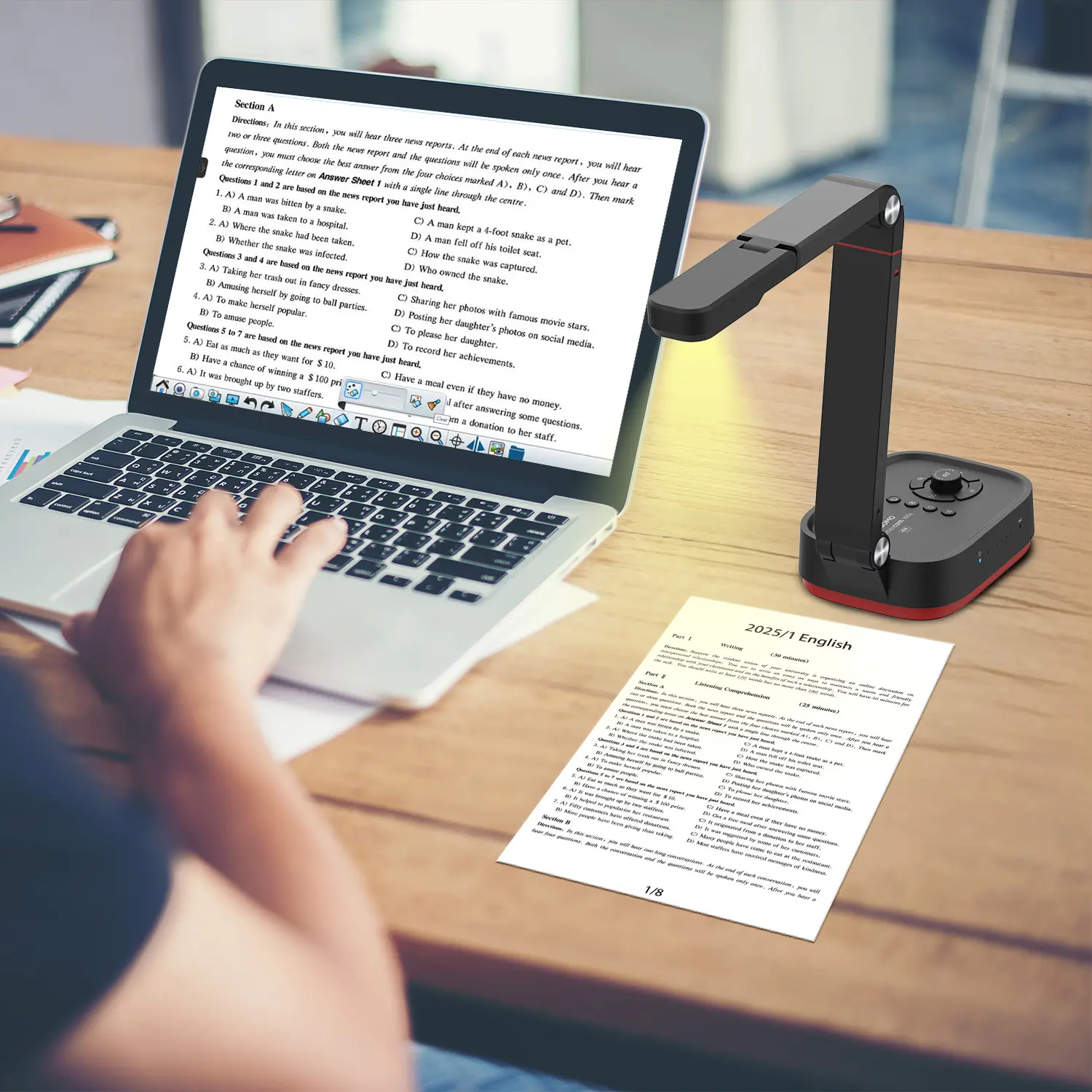
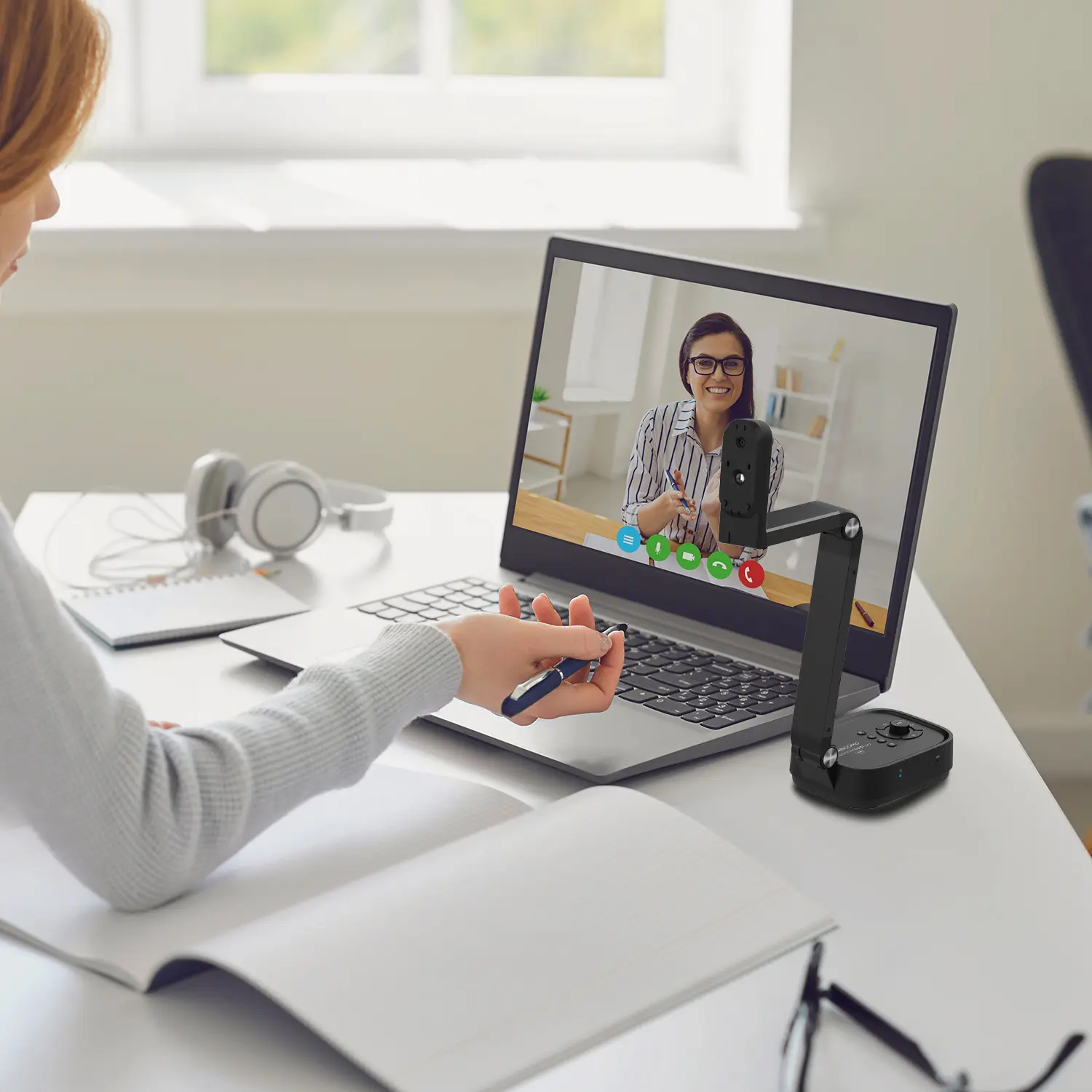
QCameraQCamera by QOMO allows for real-time streaming from cameras and document cameras. Annotate, save snapshots, record, and manipulate camera images instantly.
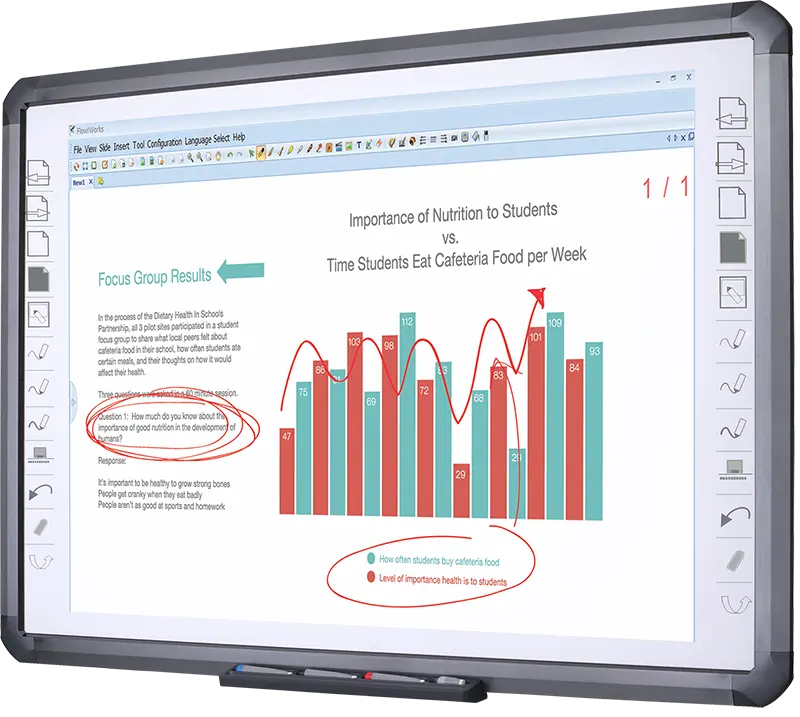
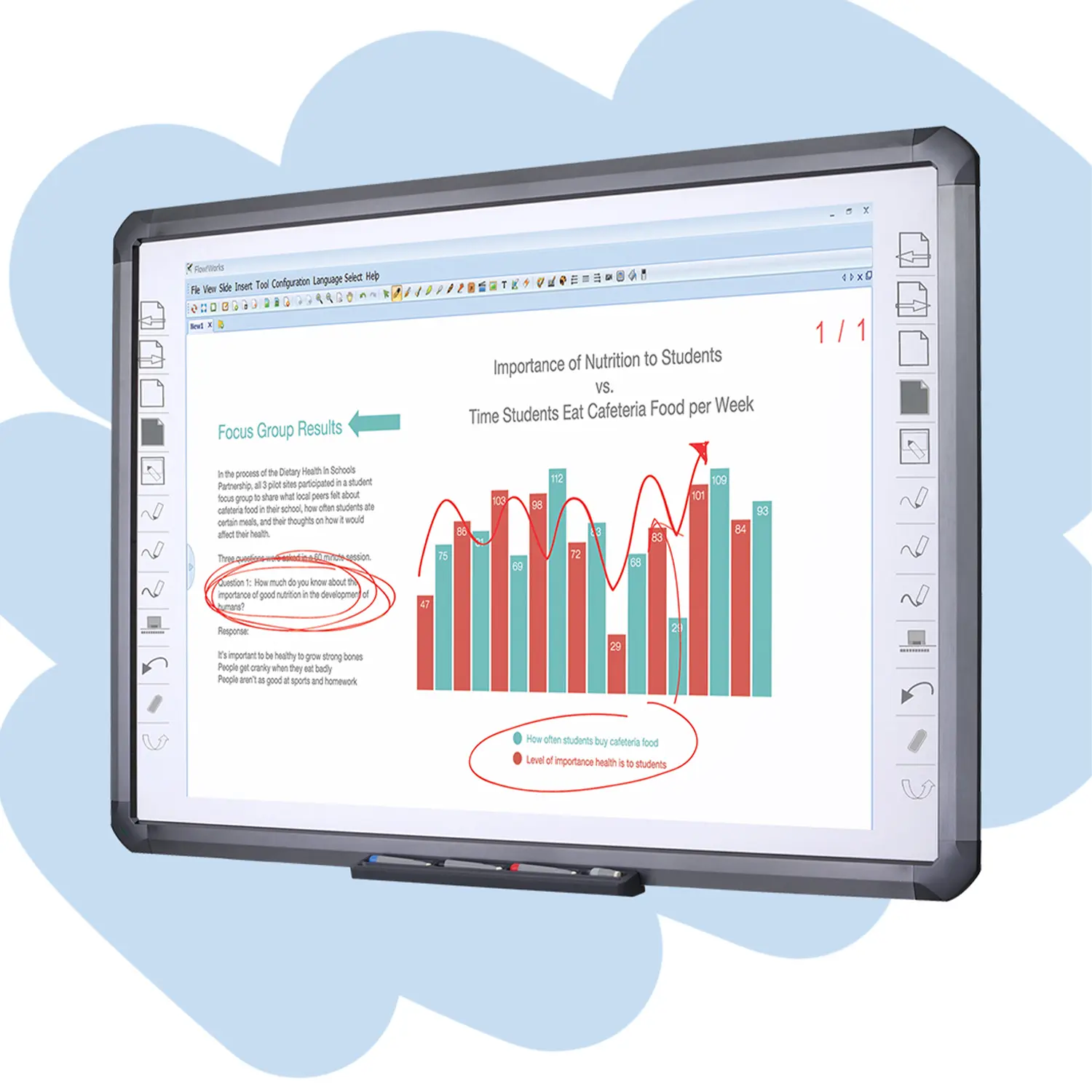
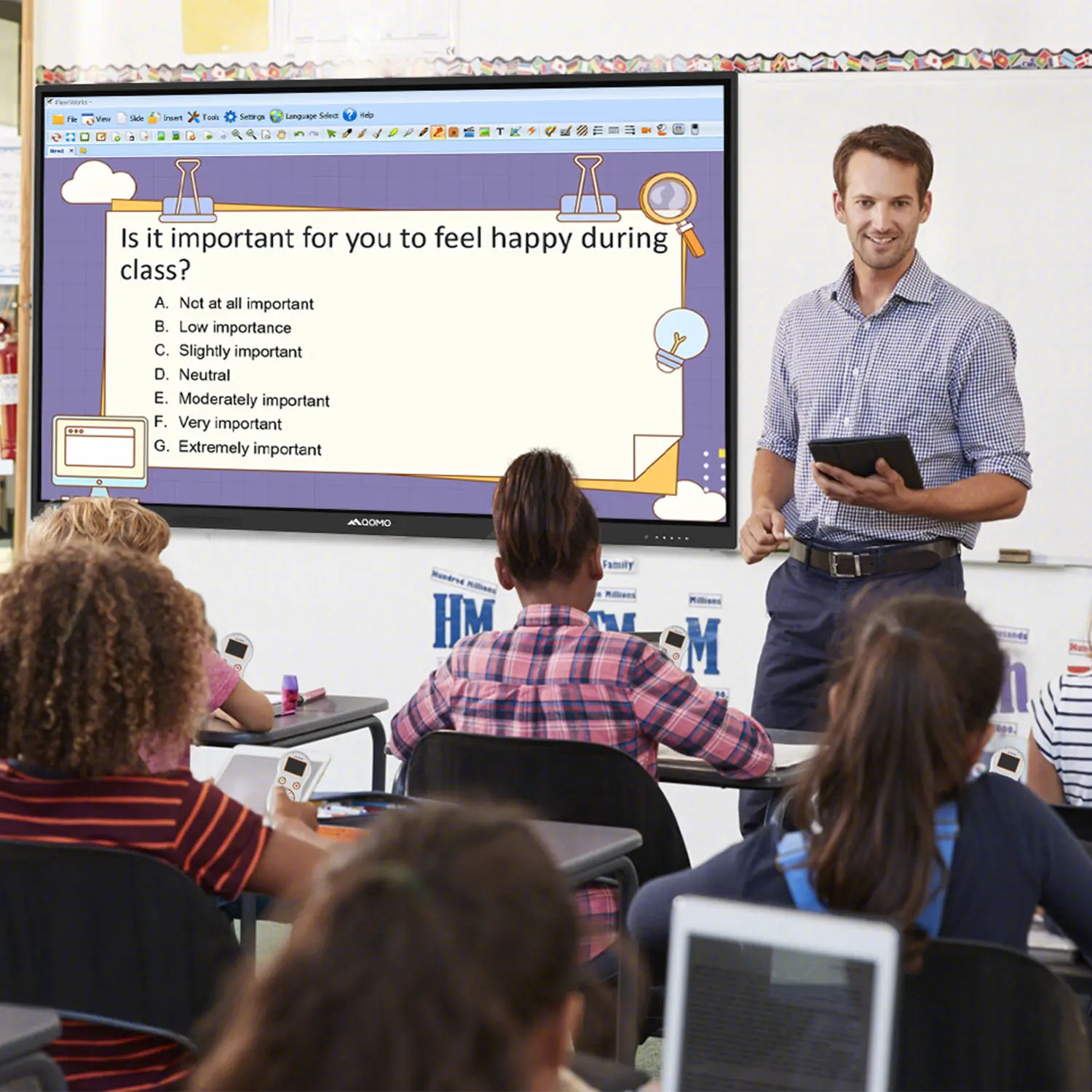
Flow!Works ProUser - friendly whiteboard software, it encompasses a wide range of presentation tools and powerful functions, delivering the most professional presentation experience to you.
Flow!WorksFlow!Works incorporates more educational tools, further enhancing the interactivity and fun - factor of your teaching.
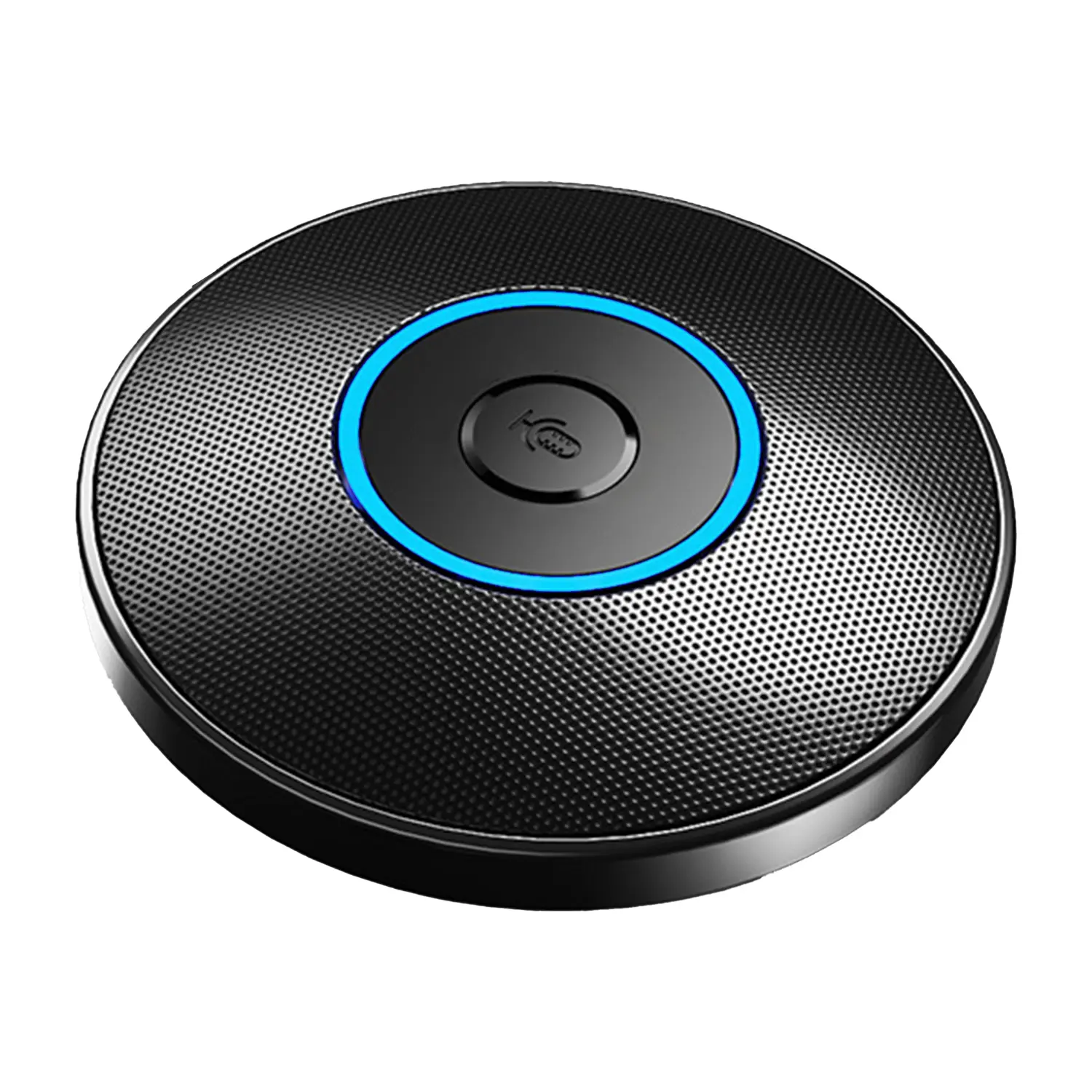
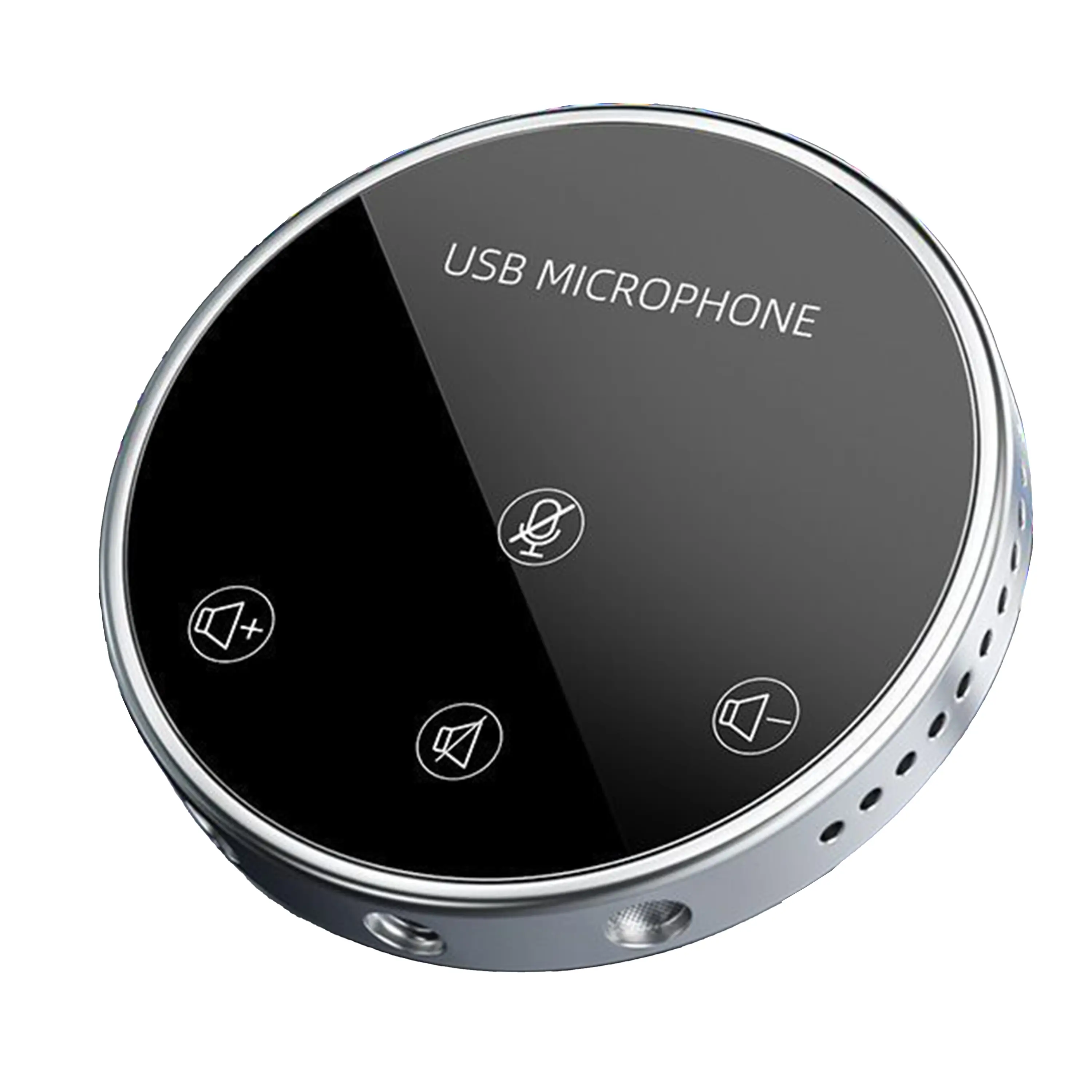
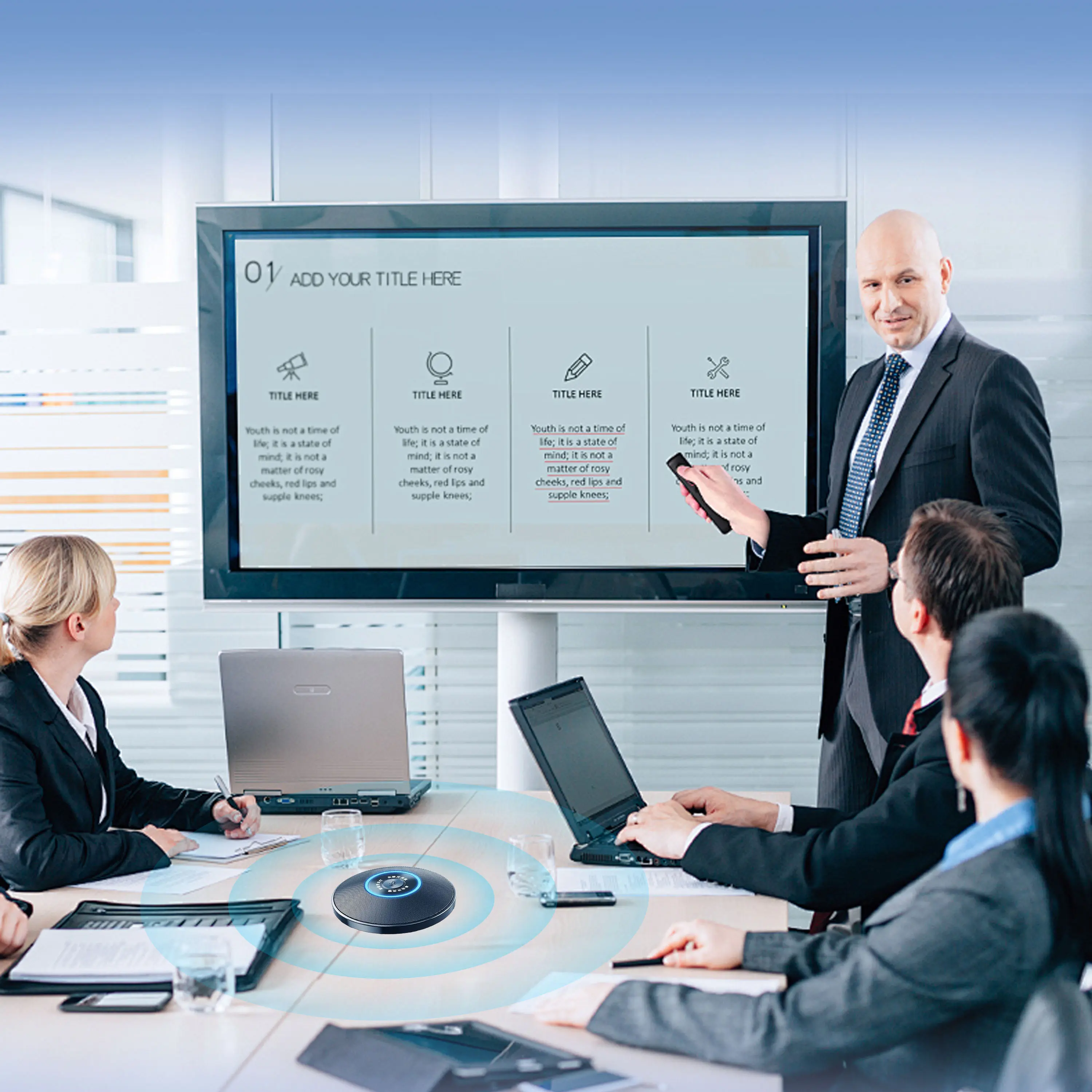
Conference Microphone● USB
● Plug and Play
● Intelligent Noise-Canceling
● 10ft/3m Extended Pickup Range
● 360° Omnidirectional Pickup
Conference Speakerphone● USB-C
● Plug and Play
● Intelligent Noise-Canceling
● 10ft/3m Extended Pickup Range
● 360° Omnidirectional Pickup
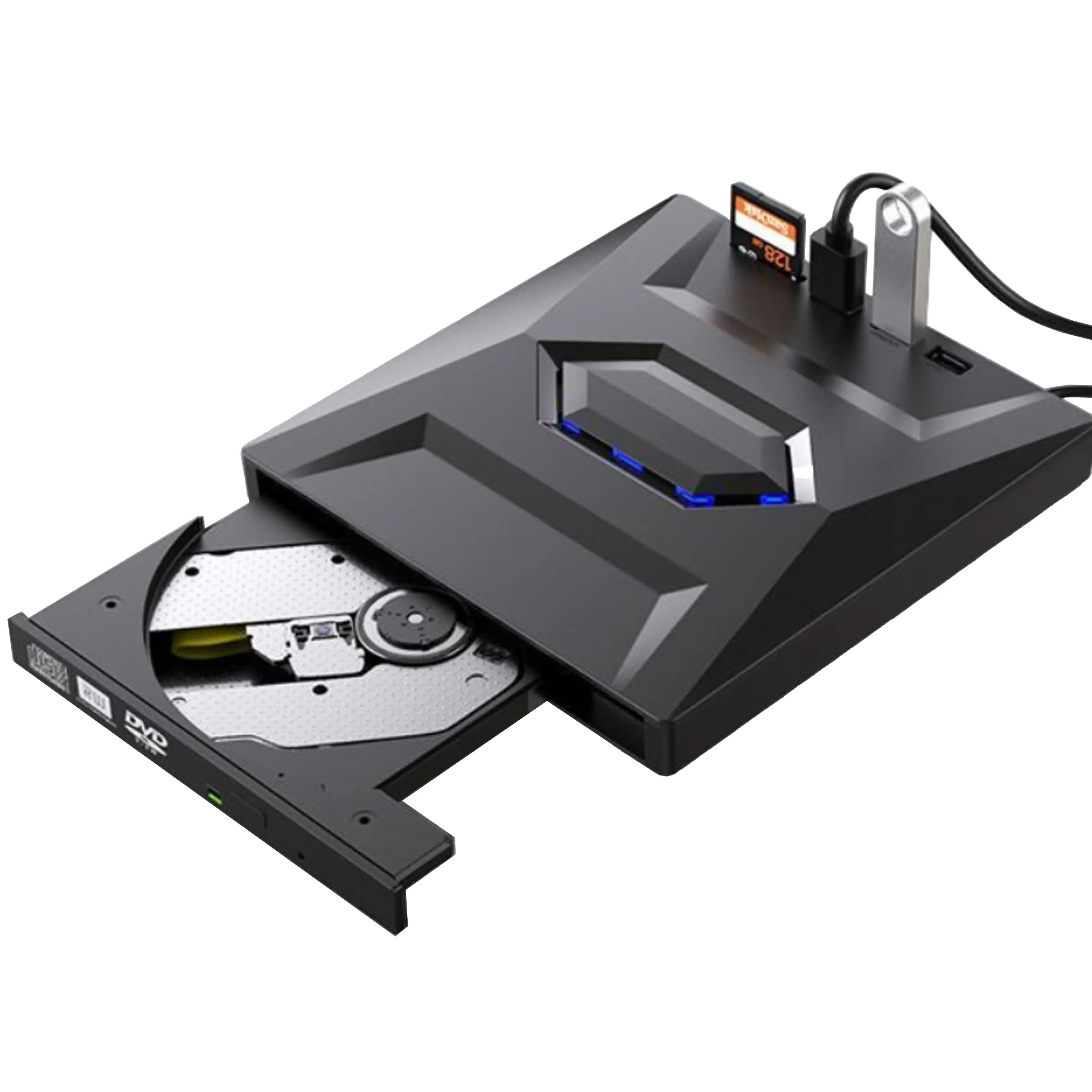
USB External CD/DVD Drive• USB and USB-C
• USB 3.0
• 8x DVD and 24x CD write/read speeds
• Portable
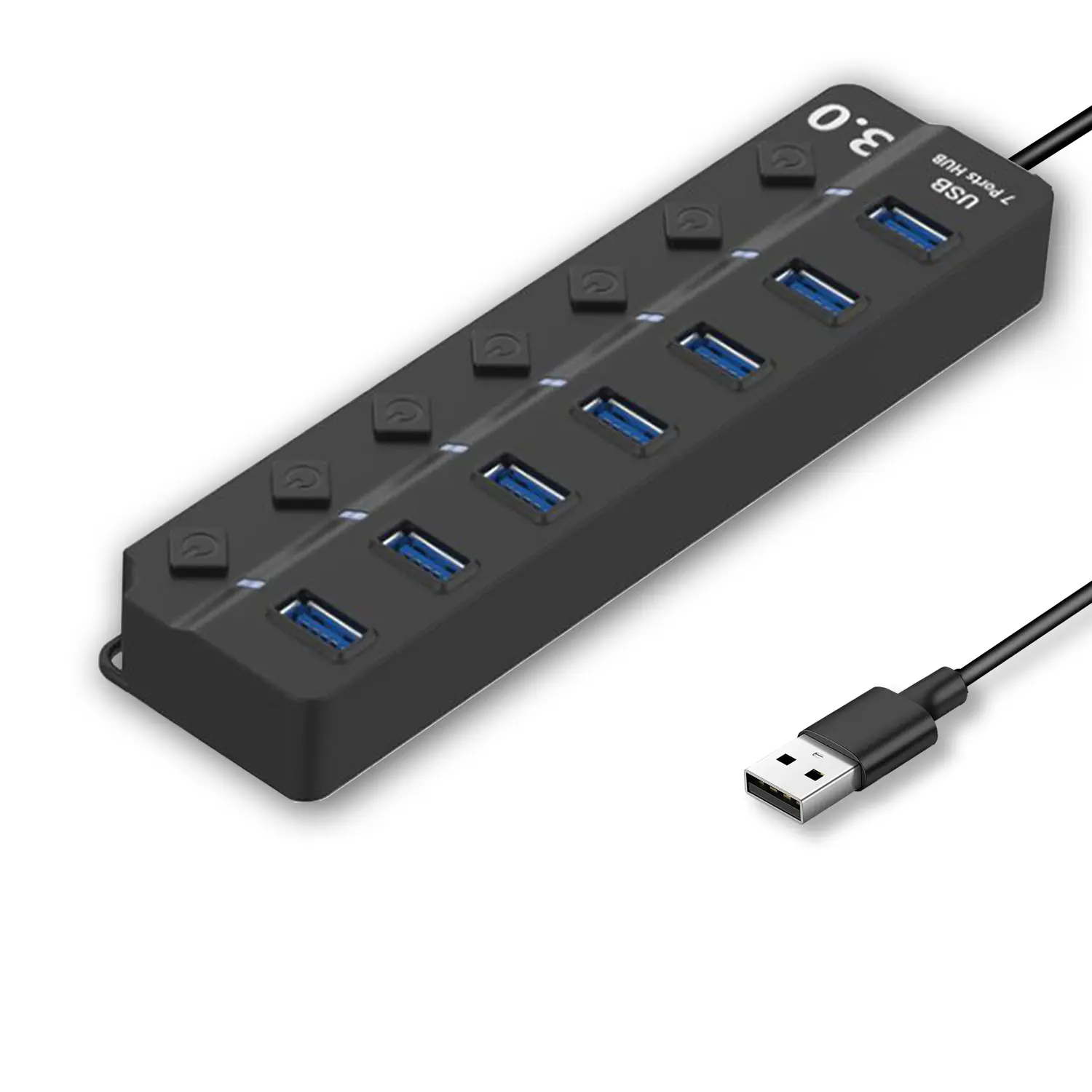
7-Port USB 3.0 Hub● USB 3.0
● Plug and Play
● 7-in-1 USB Hub
● Individual On/Off Switches
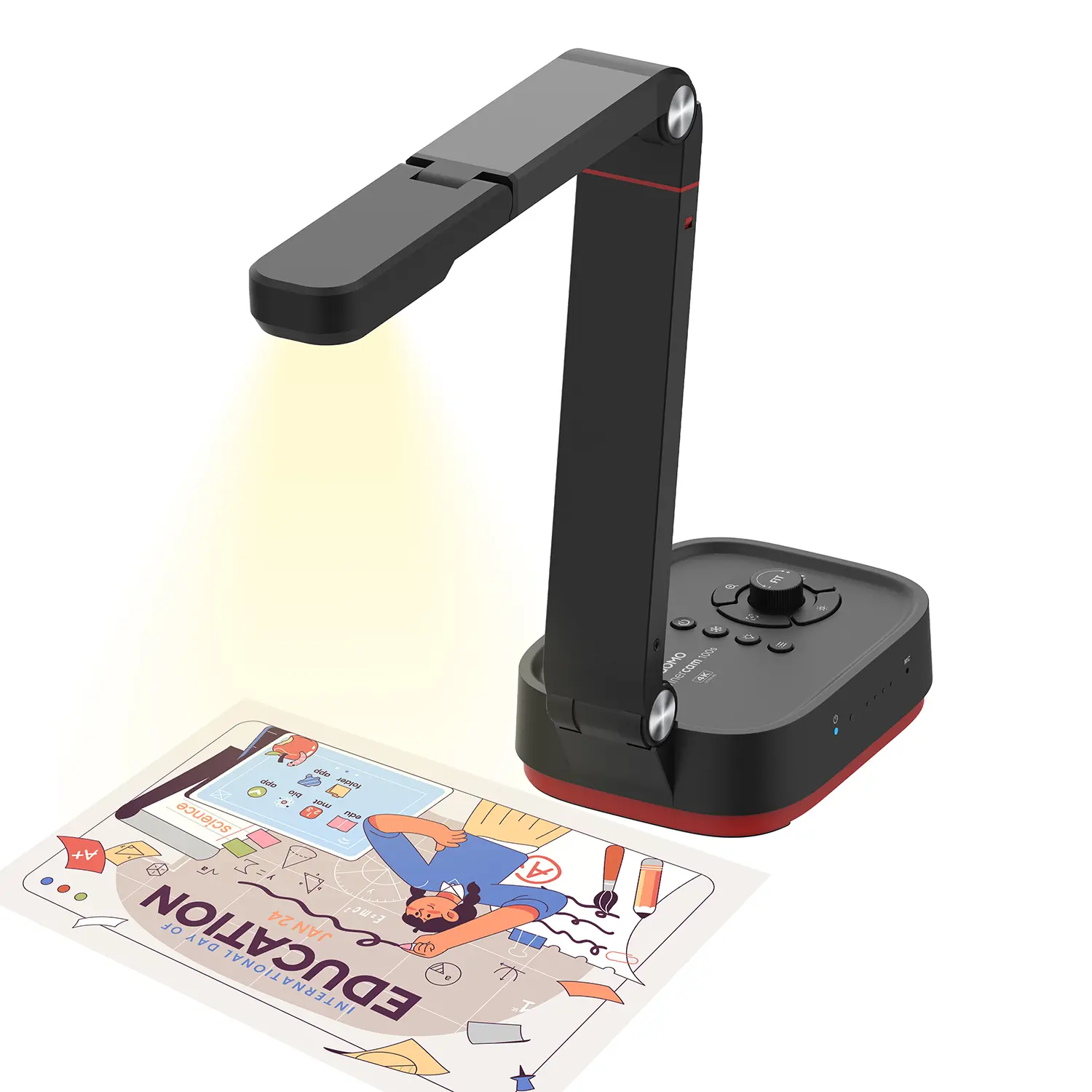
Revolutionize Your Presentations and Document Display with QWC 100S Document Camera
Enhance Call Experience: New Conference Microphone Now Available
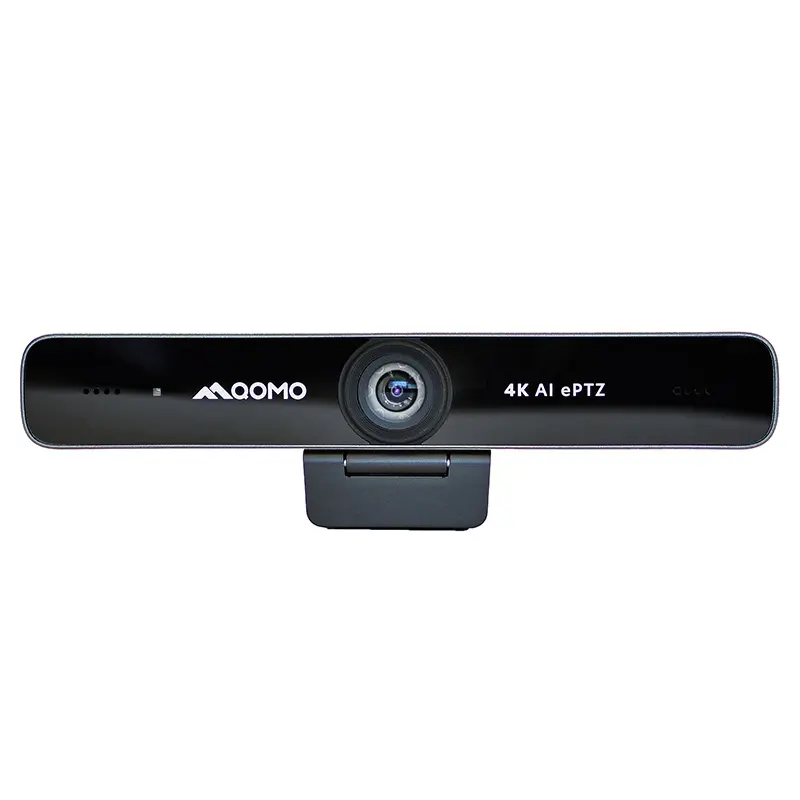
AI-Powered Face-Tracking Webcam
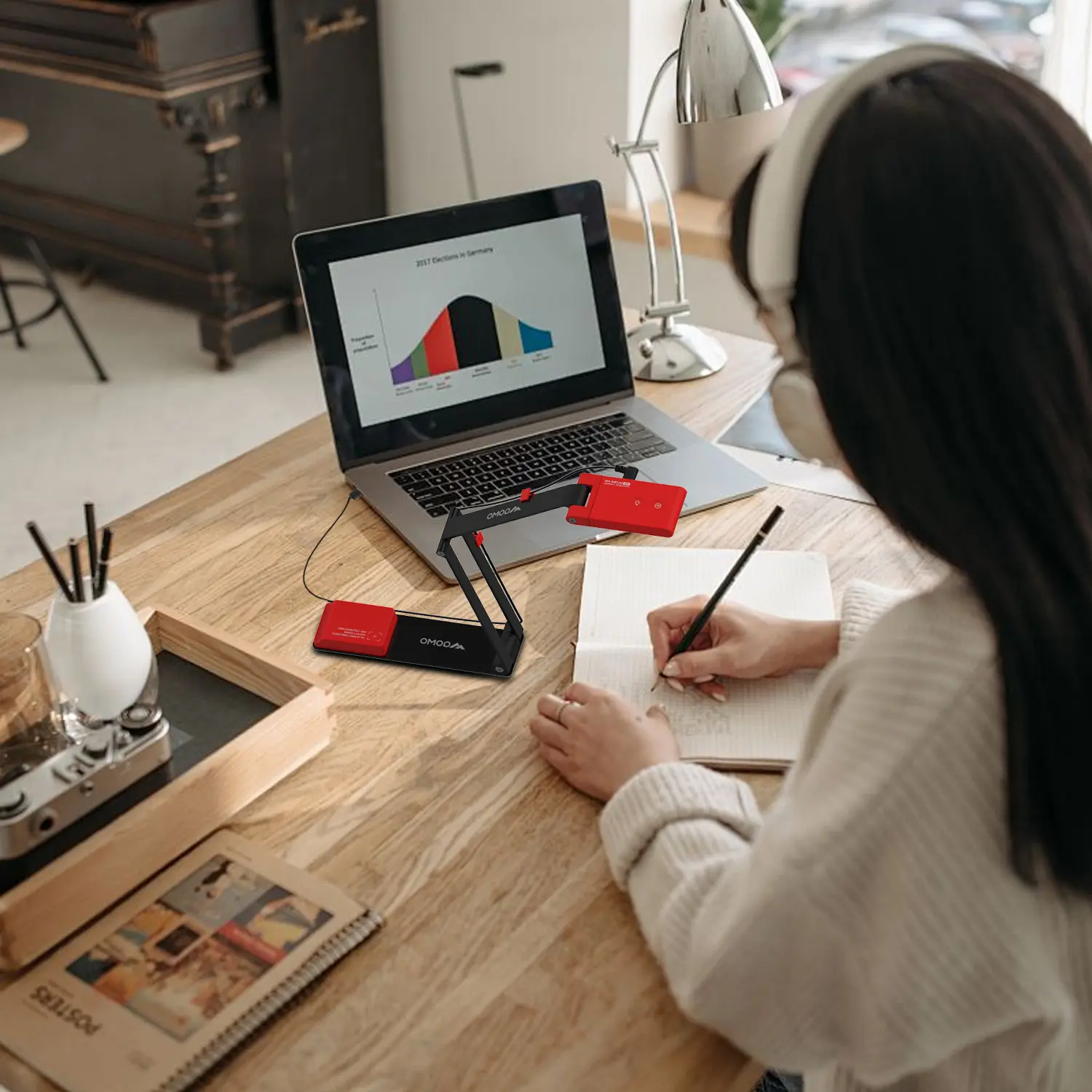
Portable Document Camera Recommendations
Classic Design, Exceptional Functionality: QPC 22 Document Camera
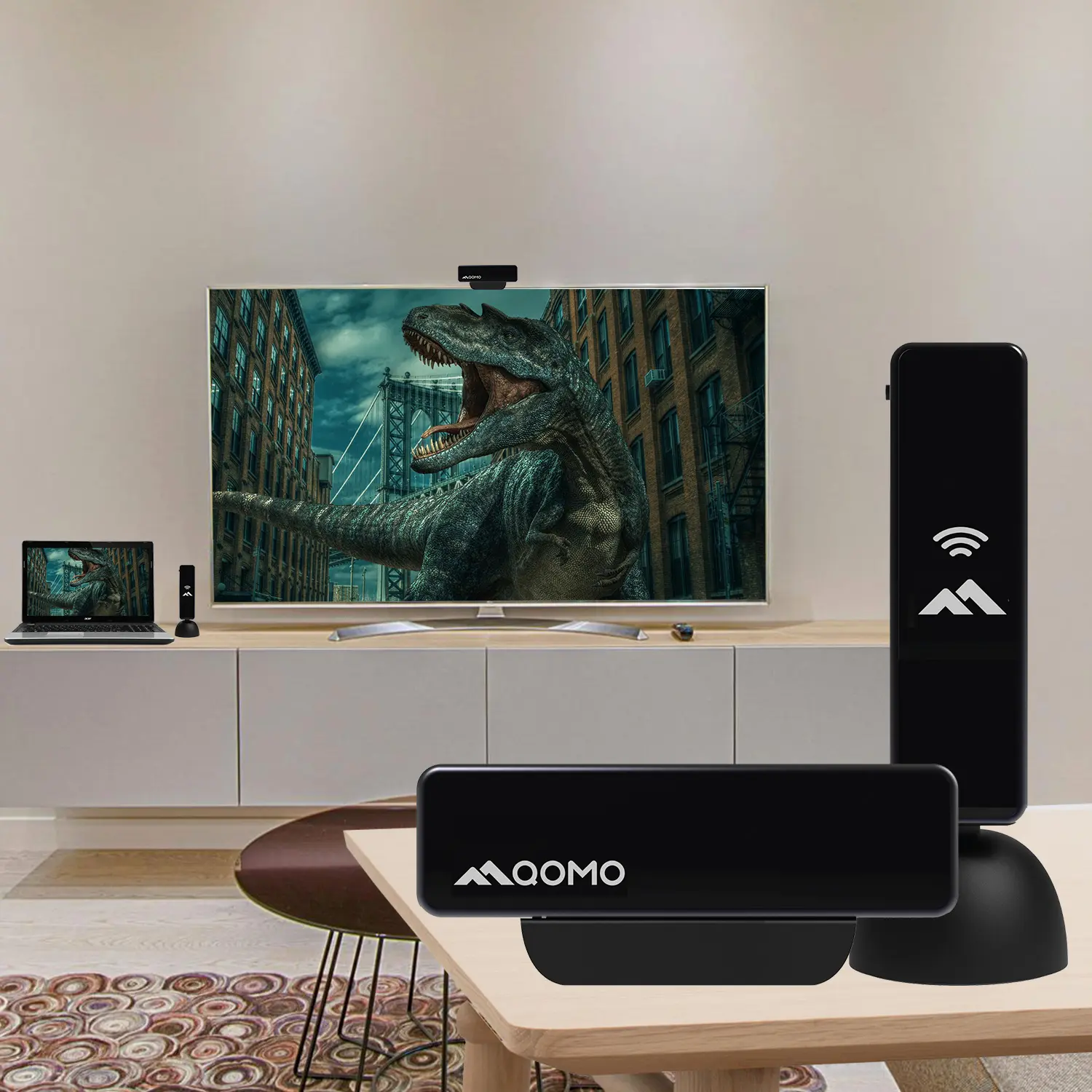
Wireless Screen Mirroring Solution for All Devices
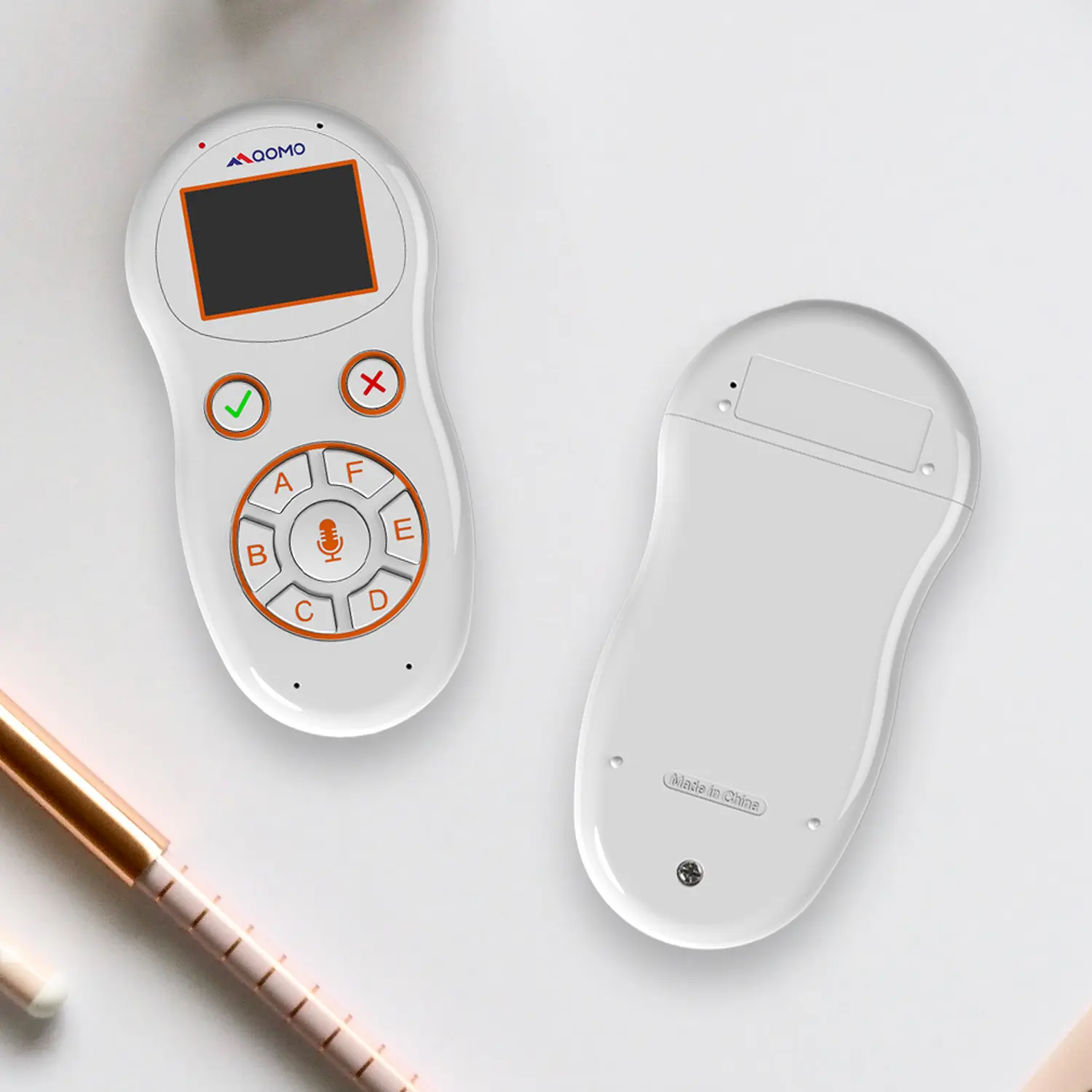
Latest Audience Response System: QRF 999
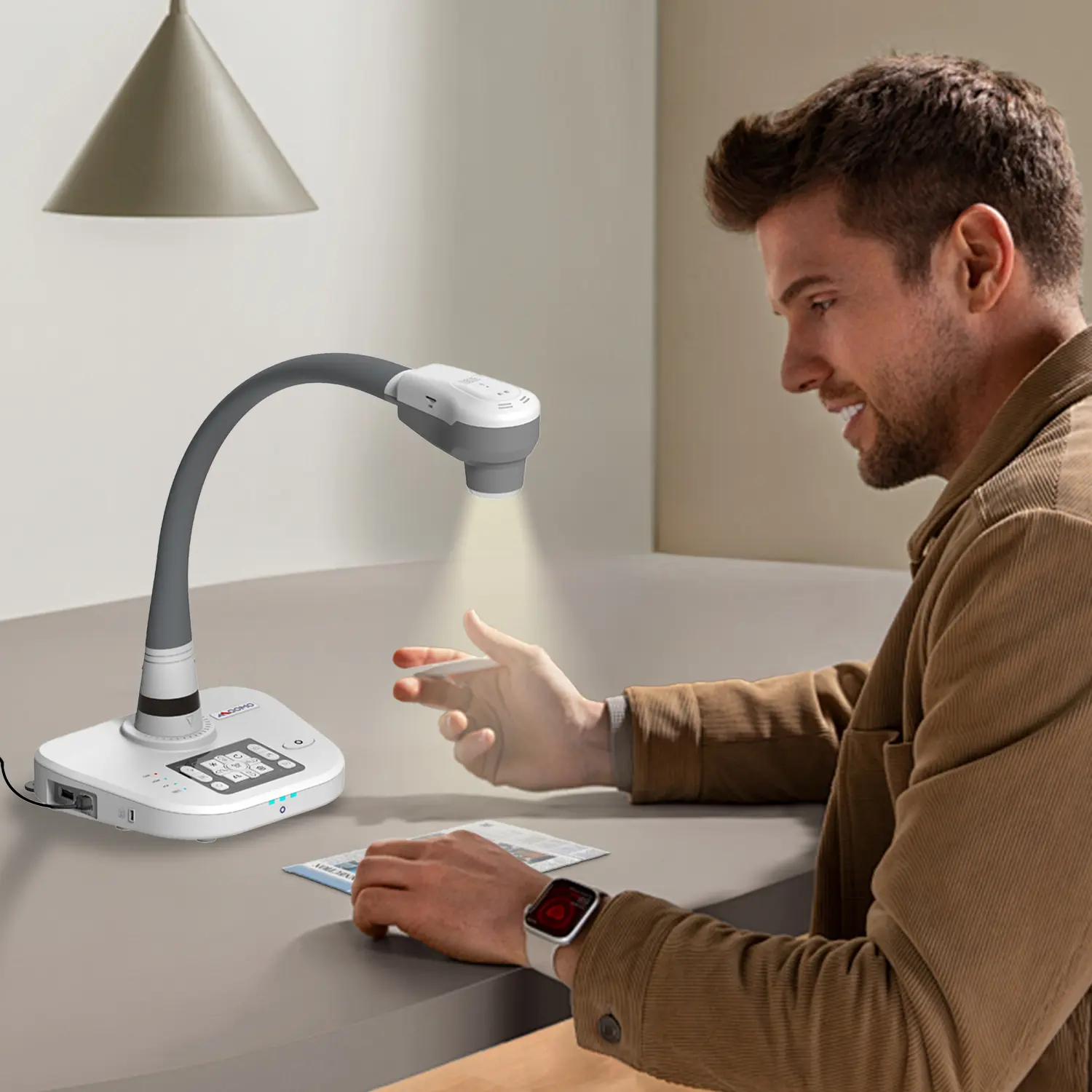
Introducing the QPC 80H3 Gooseneck Document Camera
Creating a Smart Integrated Classroom: What Do You Need?
Wireless Connectivity Upgraded: WiFi-Free Wireless Document Receiver
Flow!Works Pro: Interactive Whiteboard Software for Engaging Classrooms
How to Choose the Perfect Document Camera and Elevate Productivity
QWC 004 Conference Webcam: The Top Choice for Remote Education
QCamera: Dedicated Software for Document Cameras to Elevate Your Presentations
QRF999 Voice Response System: Enhancing Teacher-Student Interaction
Work From Home? Maybe You Should Try This Document Camera
The Ultimate Educational Tool: Gooseneck Document Camera
60GHz Millimeter-Wave Wireless Screen Sharing: QShare 100
What Does a Modern Conference Room Need?
QD5000 Document Camera: Unimaginable Versatility!
QWC 004: The Most Cost-Effective Webcam
QVote Interactive Classroom Response System Software
Functionality, Aesthetics, Portability! Meet the QWC 100S Document Camera!
Why Choose the BundleBoard H/H2 Interactive Flat Panel?
Save Your Budget—Introducing the All-New QPC 70 Document Camera!
QIT 600F3: Revolutionize Your Presentations
QCamera: Professional Document Camera Software
QPC 5: The Ultimate 4K Portable Document Camera
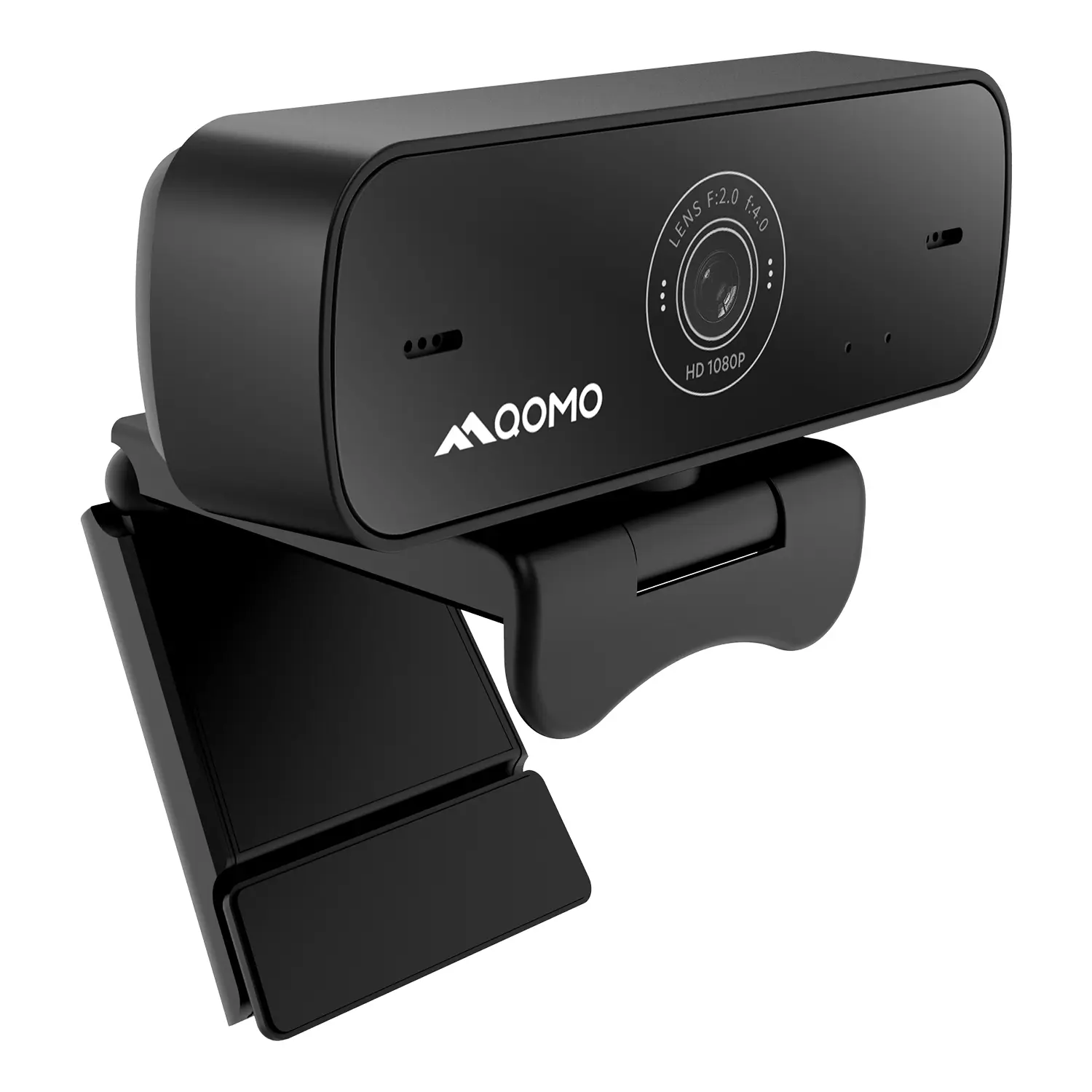
Elevate Your Meetings in Seconds: QWC 006 Webcam
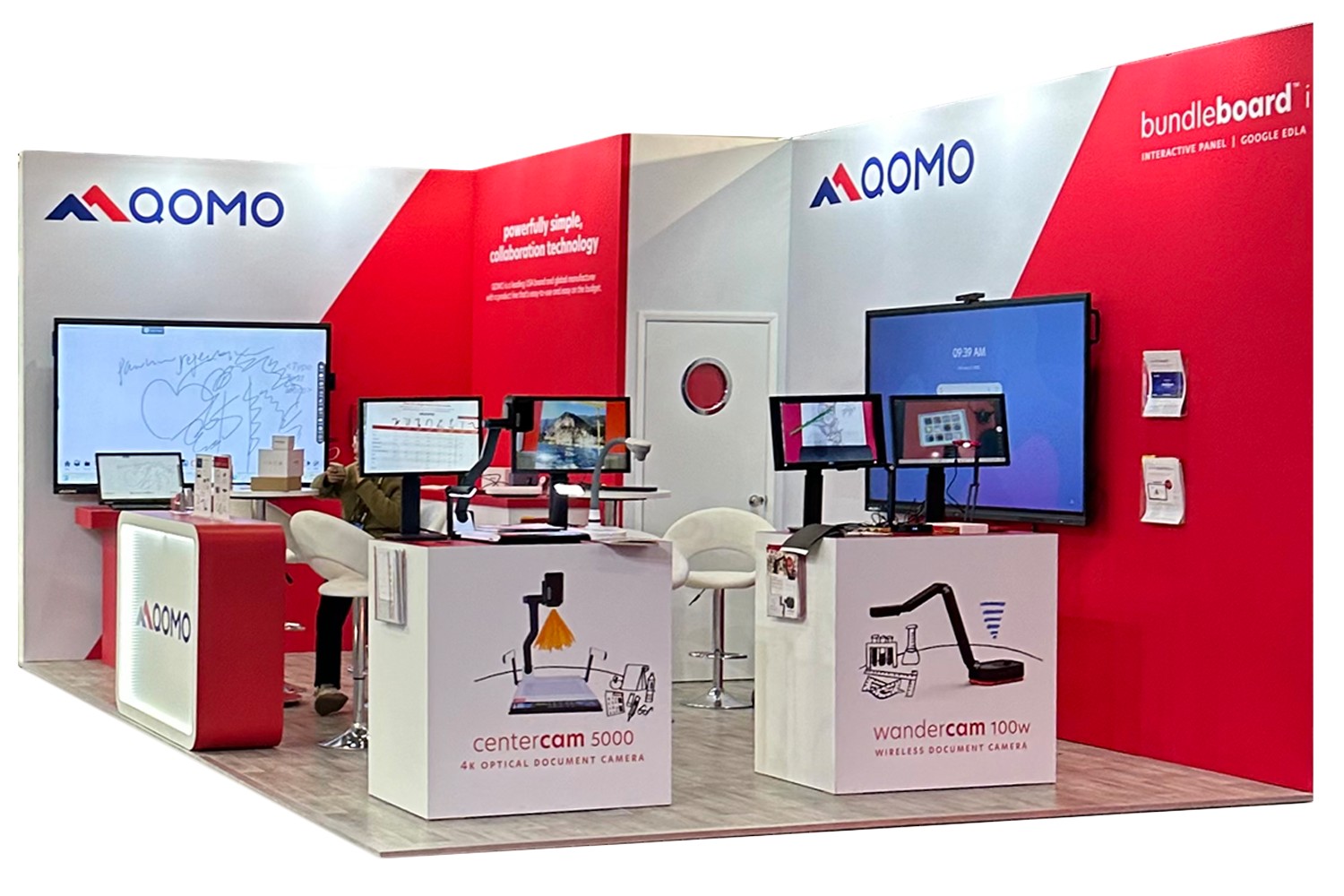
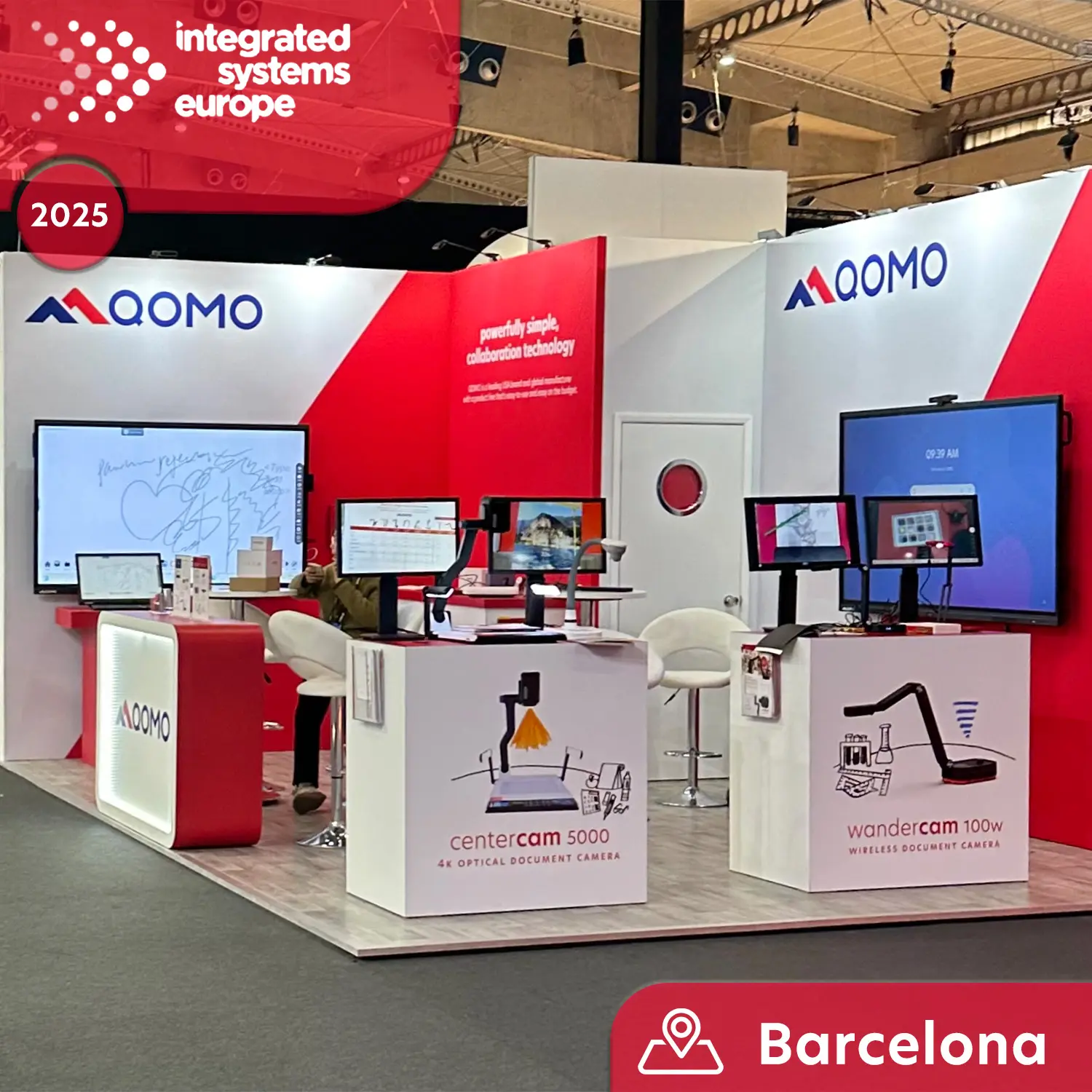
Meet QOMO at ISE 2025
Wireless Document Camera Solution, Revolutionizing Wireless Technology
QRF Series, Transform Your Classroom!
QOMO, Building Intelligent Classrooms
QOMO QShare100 New Release
Outstanding Office Equipment Recommendations
In the evolving landscape of modern dining, the "Table With Touch Screen" technology is redefining how people interact with their meals. Industry expert Dr. Jane Smith, a renowned technologist specializing in interactive dining solutions, highlights this innovation: "Touch screens at tables empower guests, enhancing both connection and convenience."
This technology transforms traditional dining experiences. It integrates entertainment, ordering, and social interaction seamlessly. Restaurants that adopt these tables often see increased customer engagement. Dynamically changing menus can cater to diverse tastes and preferences instantly.
However, there are challenges to consider. Not every customer appreciates screens in dining spaces. Some may feel that technology detracts from the experience. Balancing tech integration with the essence of hospitality is crucial. As this industry grows, reflection on user comfort will guide its future. A harmonious blend of touch screen effectiveness and personal connection remains vital in this culinary evolution.
Touch screen table technology in China is rapidly evolving. This innovation enhances dining experiences by integrating interactive elements into traditional venues. Guests can browse menus, place orders, and even pay, all through a touch interface. Many restaurants invest in this technology to streamline operations and enhance customer engagement. It creates a unique atmosphere that combines dining with entertainment.
However, challenges exist. Some users find the interface overwhelming. The learning curve can deter less tech-savvy customers. Additionally, technical issues may arise, such as unresponsive screens or software glitches. Balancing usability with cutting-edge features is crucial. Restaurants must consider these factors while implementing touch screen solutions.
Despite the hurdles, the potential of touch screen tables in China remains significant. They offer an innovative way to attract younger demographics. As businesses continue to adapt, customer feedback is essential. Understanding user experience will drive improvements and ensure this technology thrives in dining environments. The journey is ongoing and requires careful consideration of both benefits and limitations.
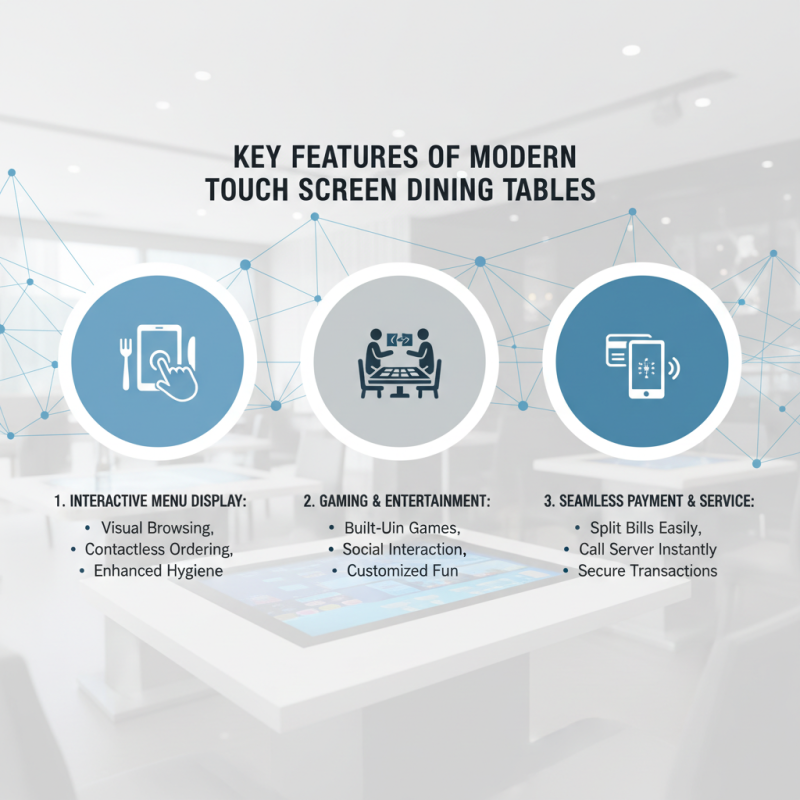
Modern touch screen dining tables are revolutionizing the dining experience. They provide a unique blend of technology and convenience. One key feature is the interactive menu display. Diners can browse an extensive menu visually. This eliminates the need for physical menus, reducing contact and enhancing hygiene.
Another important aspect is customization. Touch screens allow guests to modify their orders easily. Whether adjusting spice levels or adding special requests, the process is seamless. Diners appreciate this level of personalization, making their meals truly their own.
Moreover, multi-user functionality is gaining traction. Families or groups can place orders simultaneously, enhancing social interaction. However, not all users may find technology intuitive. Some may struggle with navigation, highlighting a potential drawback. This variability in user experience requires constant improvement in design and usability.
The integration of touch screen tables in restaurants offers numerous benefits. These innovative devices enhance customer engagement. Diners can browse menus, place orders, and make payments directly from their tables. This reduces wait times and encourages a more interactive dining experience.
Moreover, touch screen tables provide an opportunity for personalization. Customers can customize their meals based on dietary preferences or allergies. This level of interactivity can elevate satisfaction ratings. However, the reliance on technology may alienate some diners who prefer traditional service.
Restaurants can gather valuable data through these systems. This information includes popular dishes and customer feedback. Analyzing these trends can lead to improved menu offerings. Yet, implementing touch screen technology requires training staff. An untrained employee may struggle to assist customers, leading to frustration.
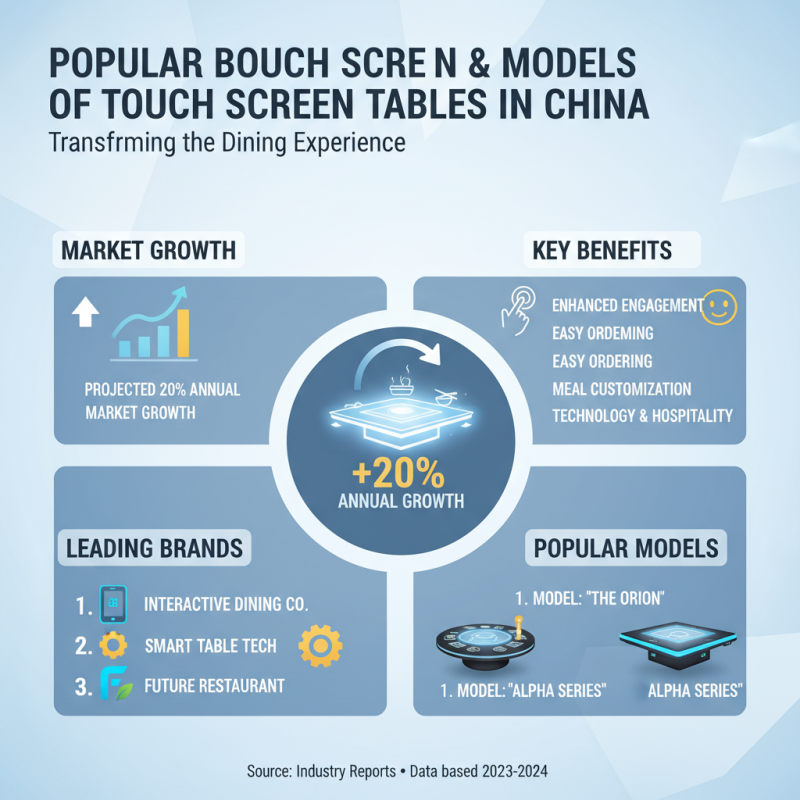
The rise of touch screen tables is transforming the dining experience in China. Industry reports indicate that the market for interactive dining technology is projected to grow by 20% annually. These tables enhance customer engagement, allowing diners to place orders and customize meals at their fingertips. The appeal lies in their ability to bridge technology and hospitality.
Popular models often feature durable glass surfaces and intuitive interfaces. Many restaurants are adopting these tables to streamline operations and enhance user experience. A study showed that establishments using touch screen tables saw a 15% increase in order accuracy. However, challenges include maintenance costs and the potential for technical glitches during peak hours.
While the technology offers convenience, not all diners prefer it. Some customers miss personal interactions with waitstaff. Balancing technology with human touch is crucial. Establishments must consider their target audience’s preferences. The evolving landscape suggests that while touch screen tables present opportunities, they aren’t a one-size-fits-all solution.
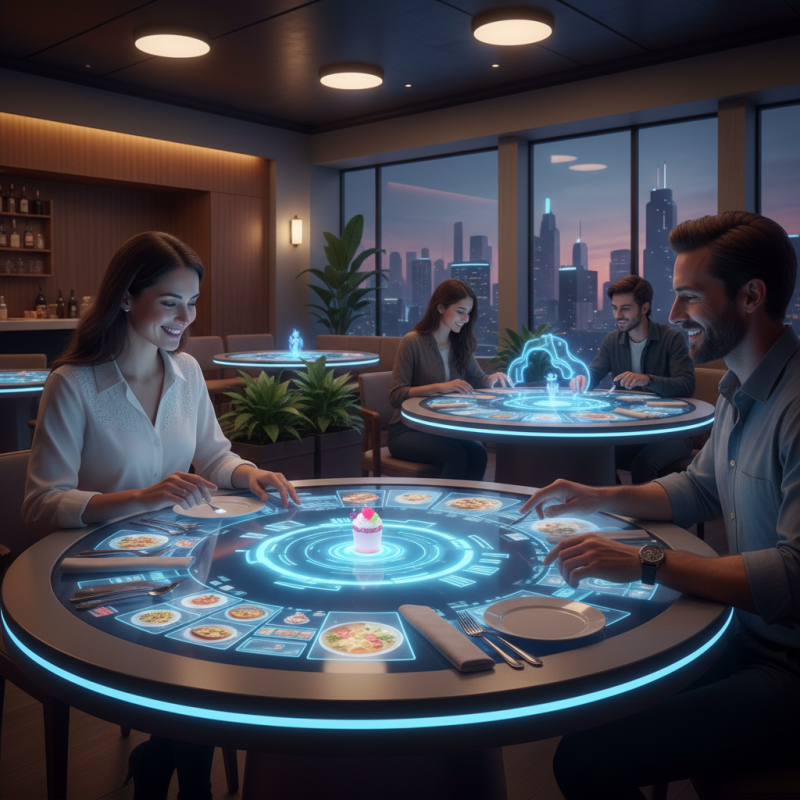
Touch screen table technology is reshaping modern dining. As restaurants look for innovative ways to engage customers, these tables provide interactive experiences. They allow diners to browse menus, customize orders, and even play games while waiting for food. This level of interactivity enhances the dining atmosphere, making meals more enjoyable and engaging.
Tips: Consider the balance between technology and human touch. Too much screen time can detract from the social experience of dining. Encourage restaurants to train staff on how to seamlessly integrate touch technology without overwhelming patrons.
Future trends suggest a blending of augmented reality with touch screens. Imagine a table where diners can see virtual representations of their meals before ordering. Such advancements could help reduce food waste and improve customer satisfaction. However, this technology also raises concerns over data privacy and user comfort. It's vital to address these issues proactively to build trust.
Tips: Keep an open dialogue with patrons about privacy. Their comfort is key for successful tech implementation. Solicit feedback on their experiences, and be prepared to make adjustments as needed.
| Feature | Description | Benefits | Future Trends |
|---|---|---|---|
| Interactive Ordering | Allows customers to browse the menu and place their orders interactively. | Enhances customer engagement and reduces wait times. | Increased customization in menu preferences. |
| Payment Processing | Facilitates payments directly through the table interface. | Streamlines checkout process and minimizes transactions errors. | Integration with various digital wallets and cryptocurrencies. |
| Social Interaction | Enables users to share their dining experience via social media. | Promotes restaurant branding and customer loyalty through sharing. | Augmented reality experiences for enhanced social interaction. |
| Data Collection | Gathers customer preferences and behavior patterns. | Helps restaurants tailor their offerings and improve service. | Predictive analytics for better inventory management. |
| Entertainment Features | Includes games and multimedia for customer entertainment. | Increases dwell time and enhances the overall dining experience. | Integration of virtual reality experiences in dining. |