+86 152 8002 3723
QVoteProfessional Audience Response System software offers the most convenient functions for your interactions.
QClickThe most convenient educational software for working with Microsoft PowerPoint to quickly set up various question types and generate intelligent feedback reports.
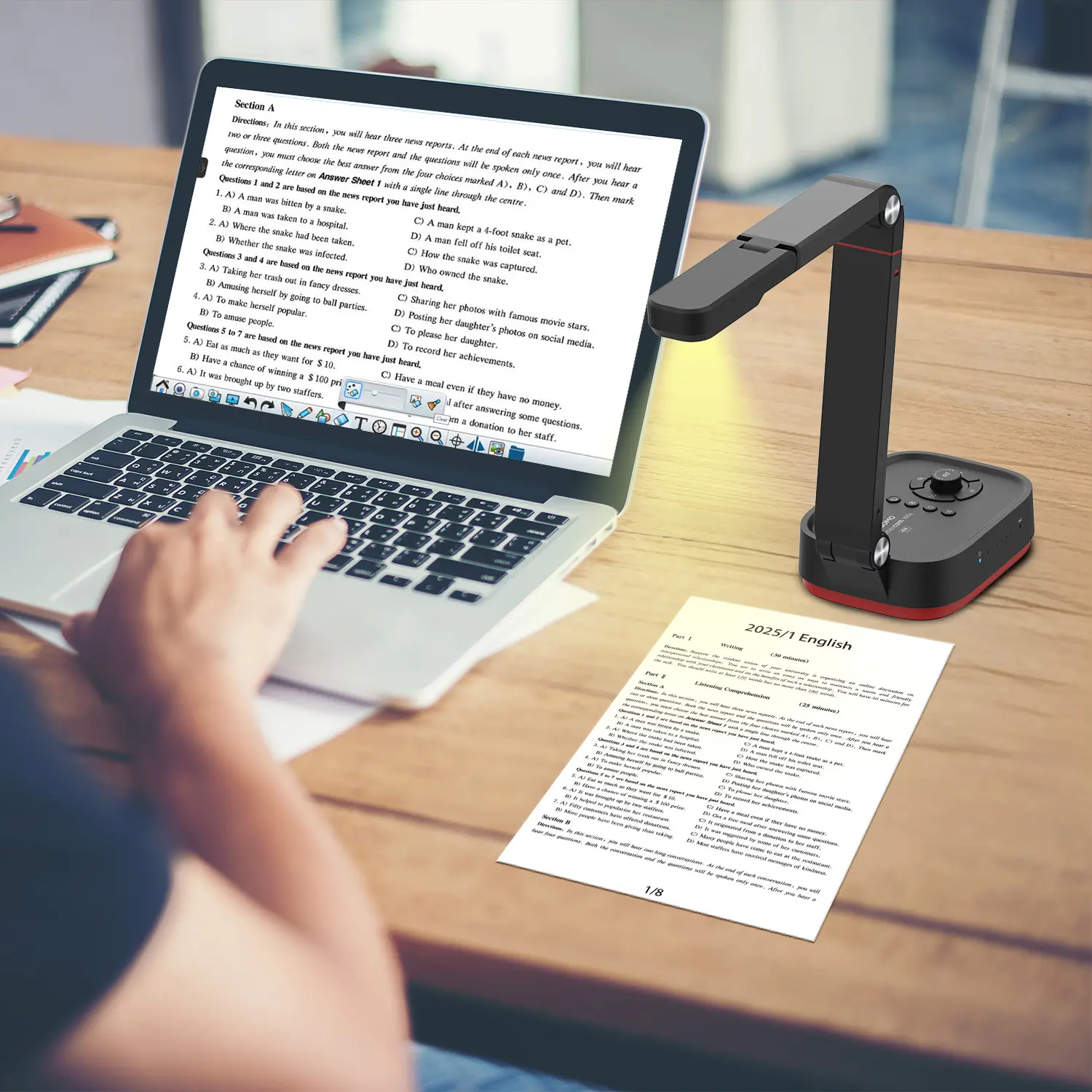
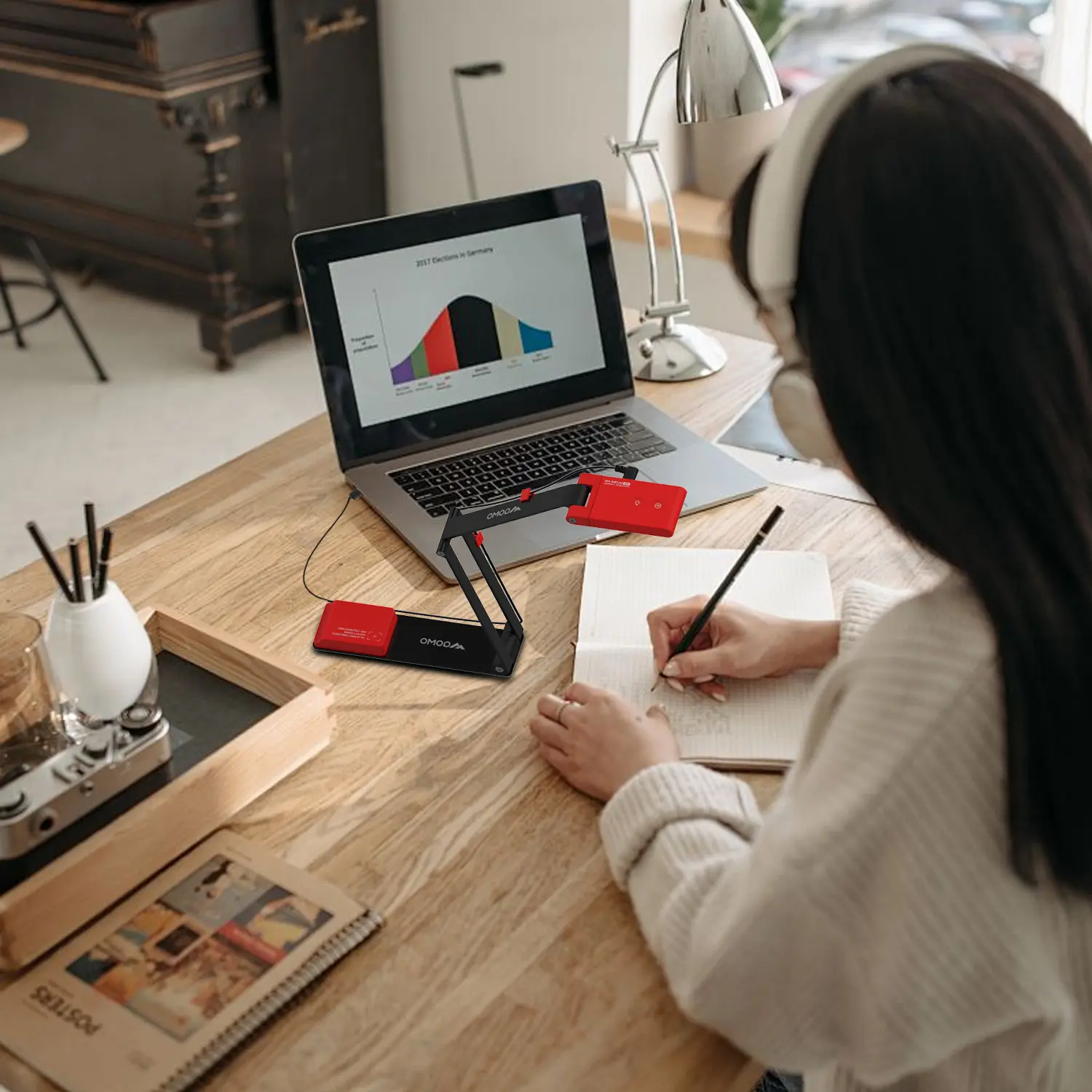
QCameraQCamera by QOMO allows for real-time streaming from cameras and document cameras. Annotate, save snapshots, record, and manipulate camera images instantly.
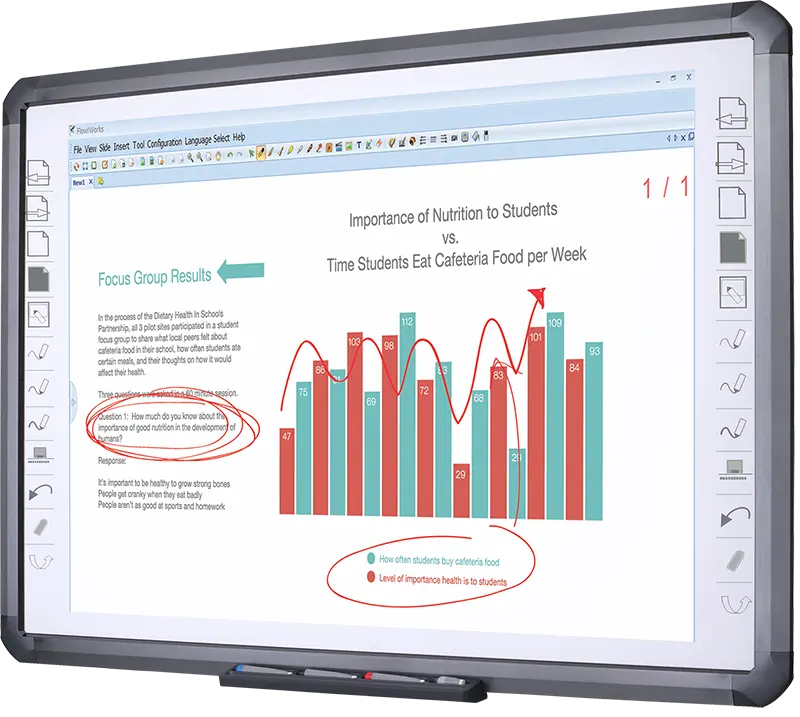
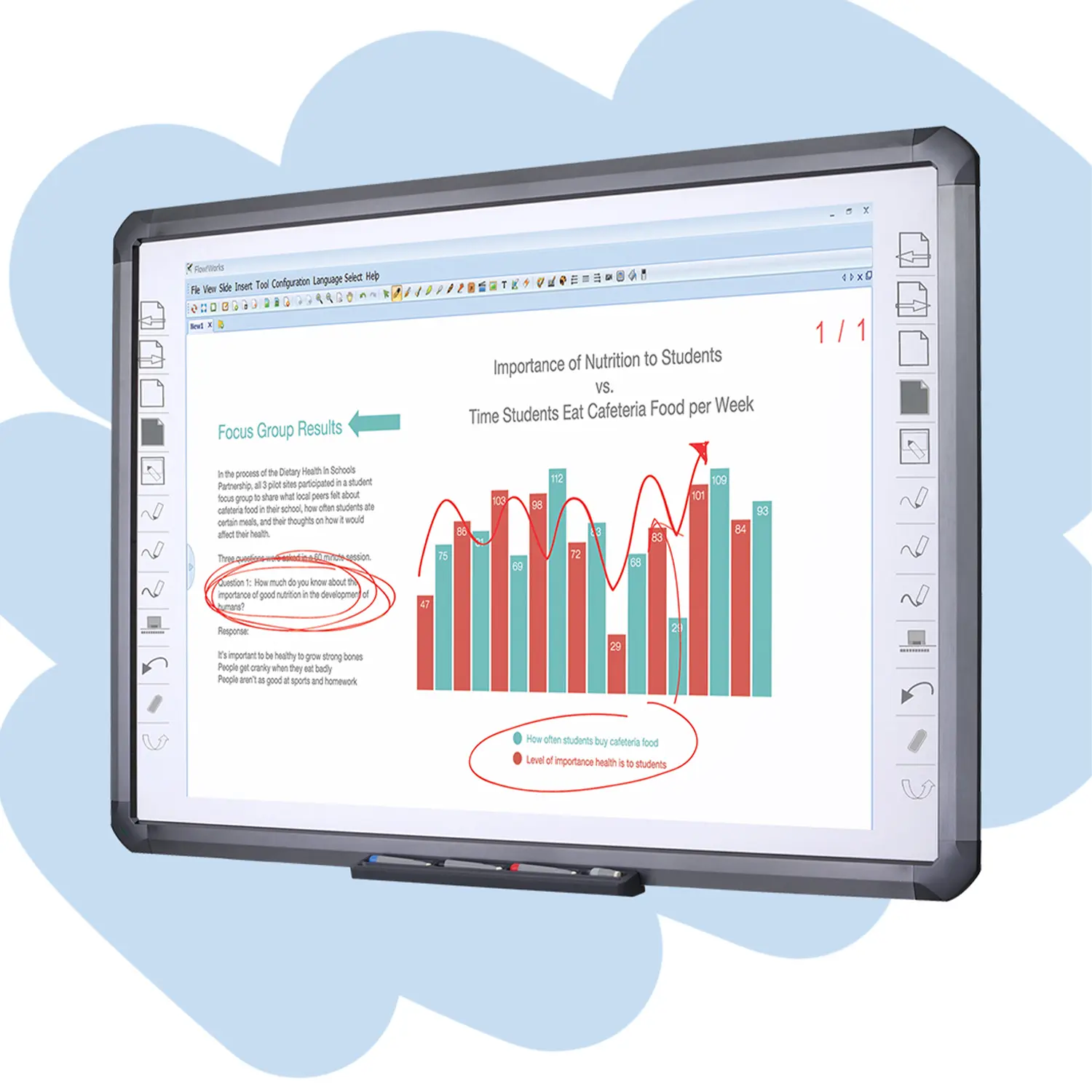
Flow!Works ProUser - friendly whiteboard software, it encompasses a wide range of presentation tools and powerful functions, delivering the most professional presentation experience to you.
Flow!WorksFlow!Works incorporates more educational tools, further enhancing the interactivity and fun - factor of your teaching.
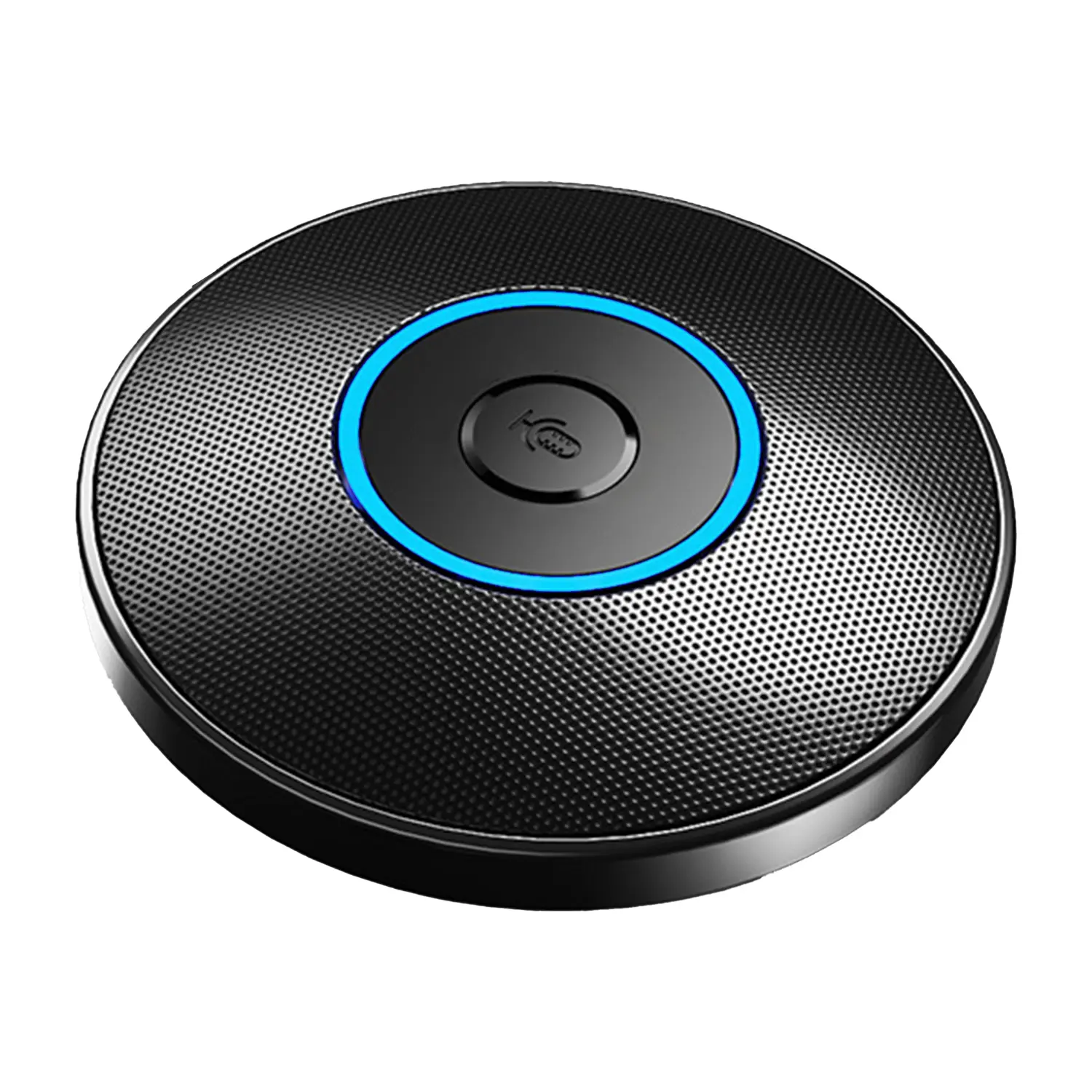
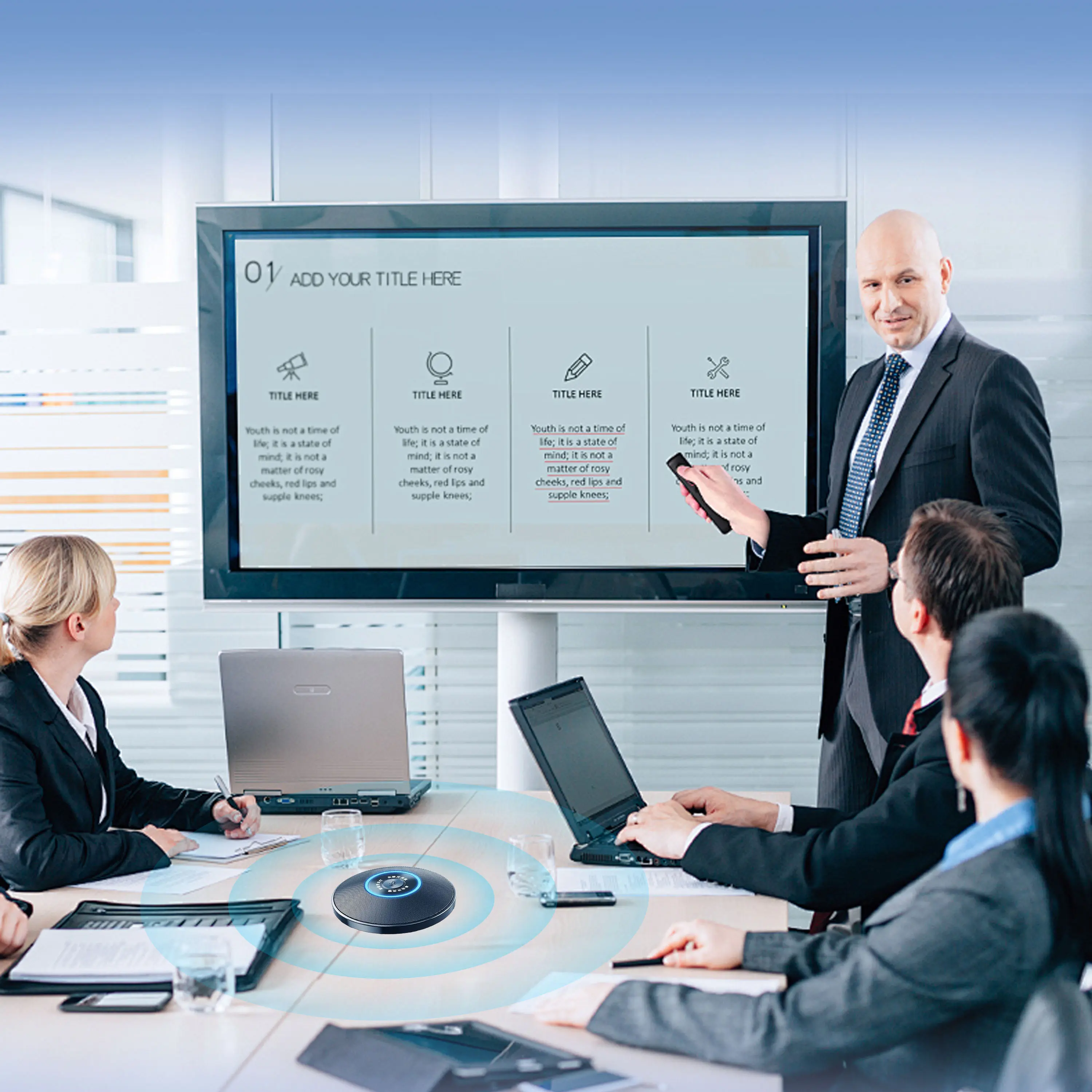
Conference Microphone● USB
● Plug and Play
● Intelligent Noise-Canceling
● 10ft/3m Extended Pickup Range
● 360° Omnidirectional Pickup
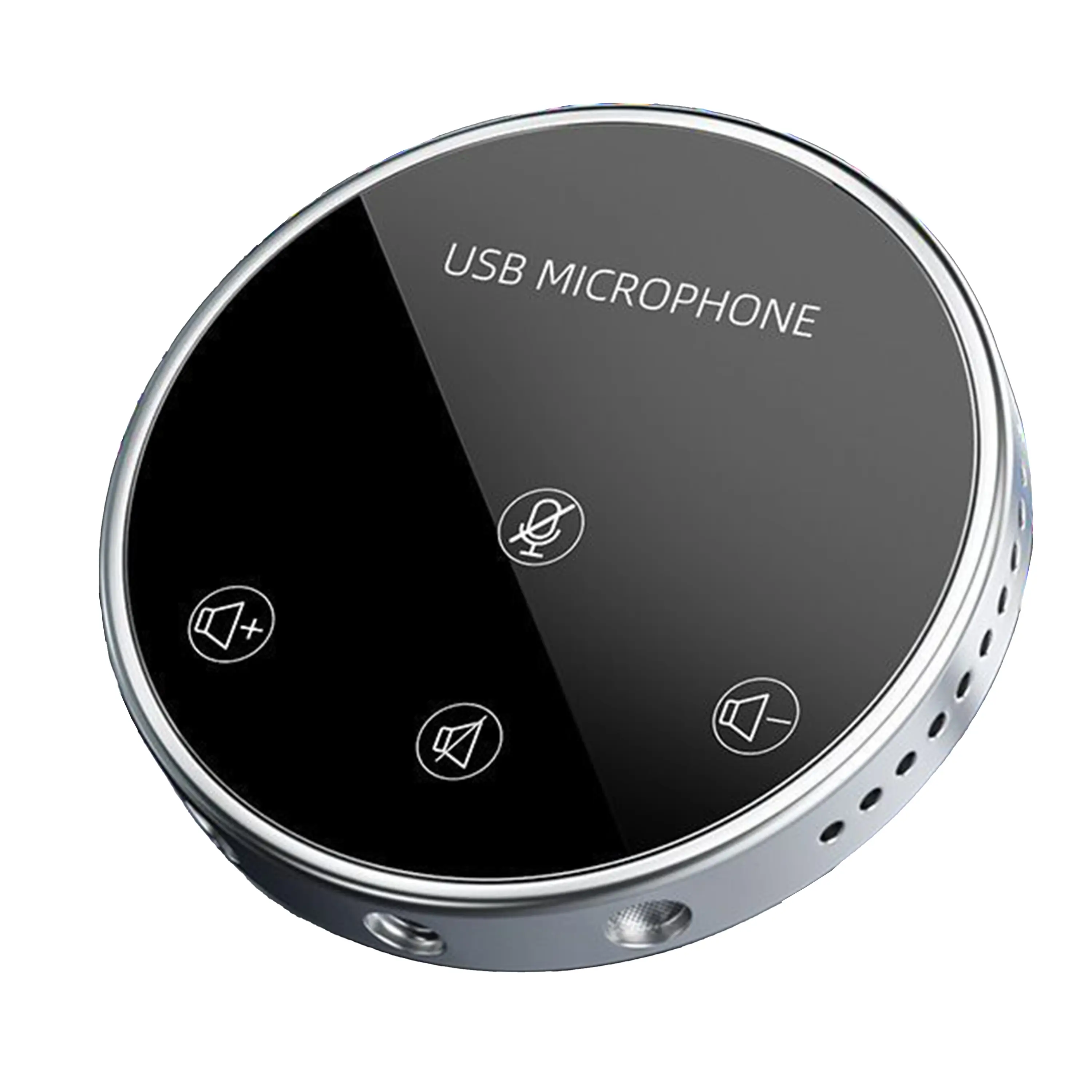
Conference Speakerphone● USB-C
● Plug and Play
● Intelligent Noise-Canceling
● 10ft/3m Extended Pickup Range
● 360° Omnidirectional Pickup
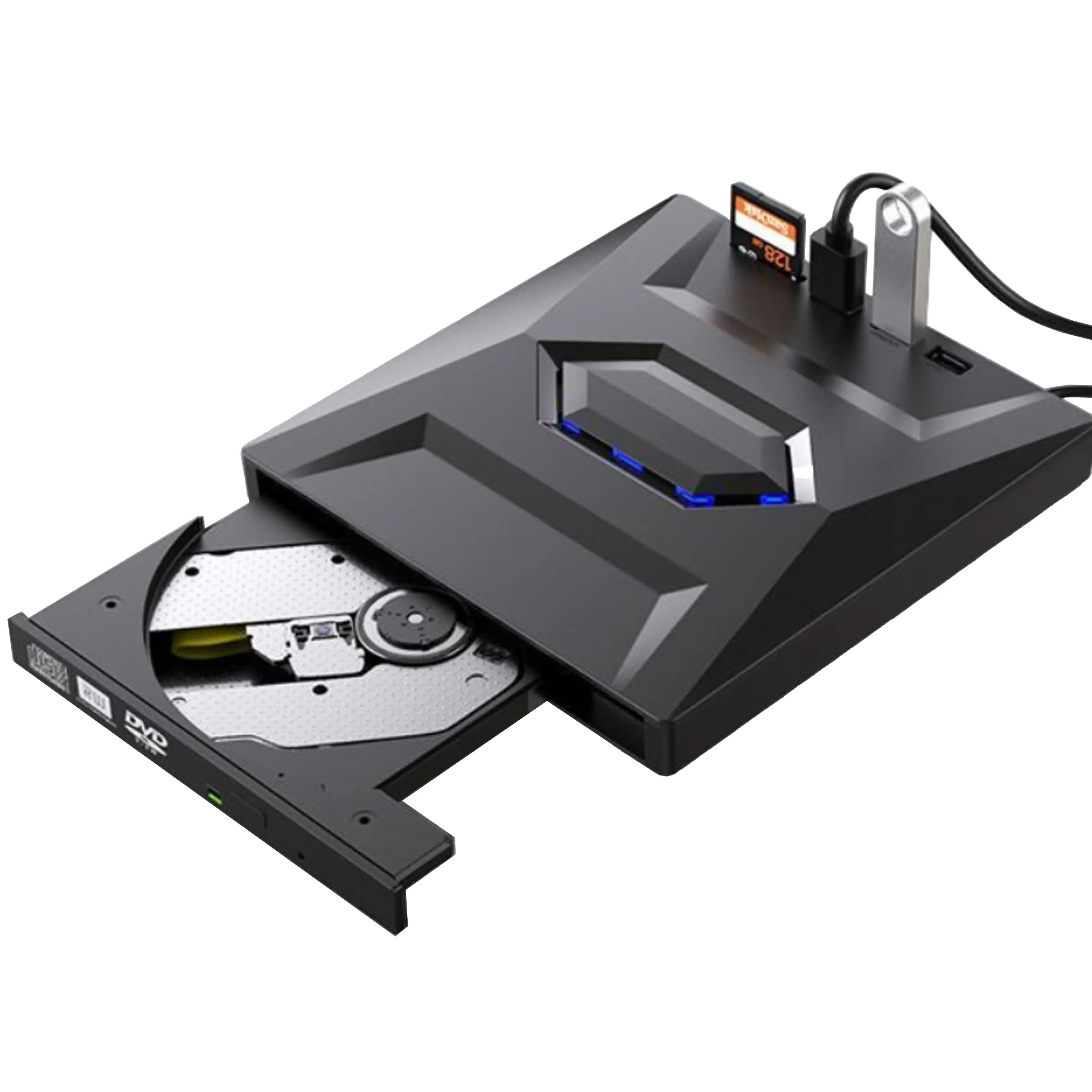
USB External CD/DVD Drive• USB and USB-C
• USB 3.0
• 8x DVD and 24x CD write/read speeds
• Portable
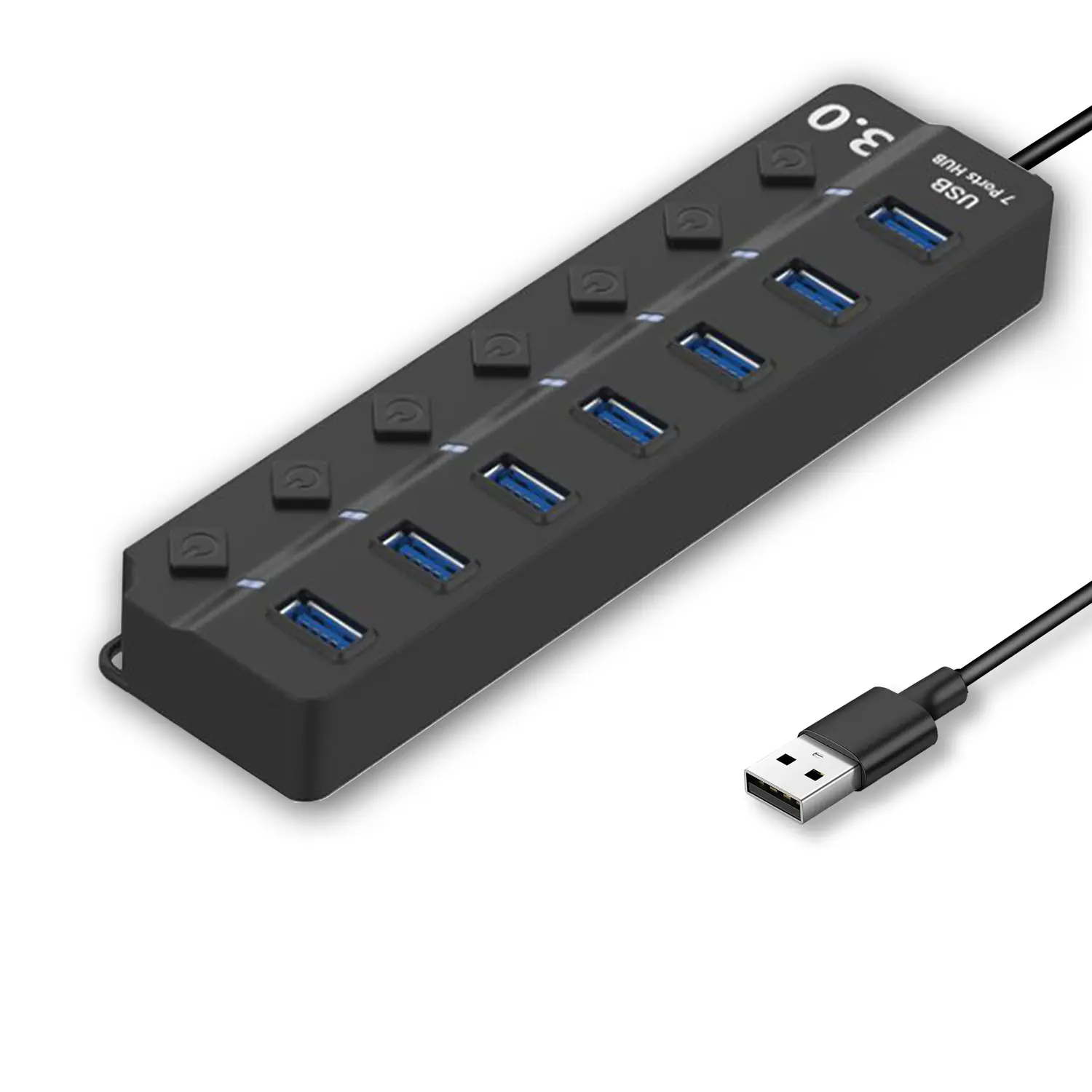
7-Port USB 3.0 Hub● USB 3.0
● Plug and Play
● 7-in-1 USB Hub
● Individual On/Off Switches
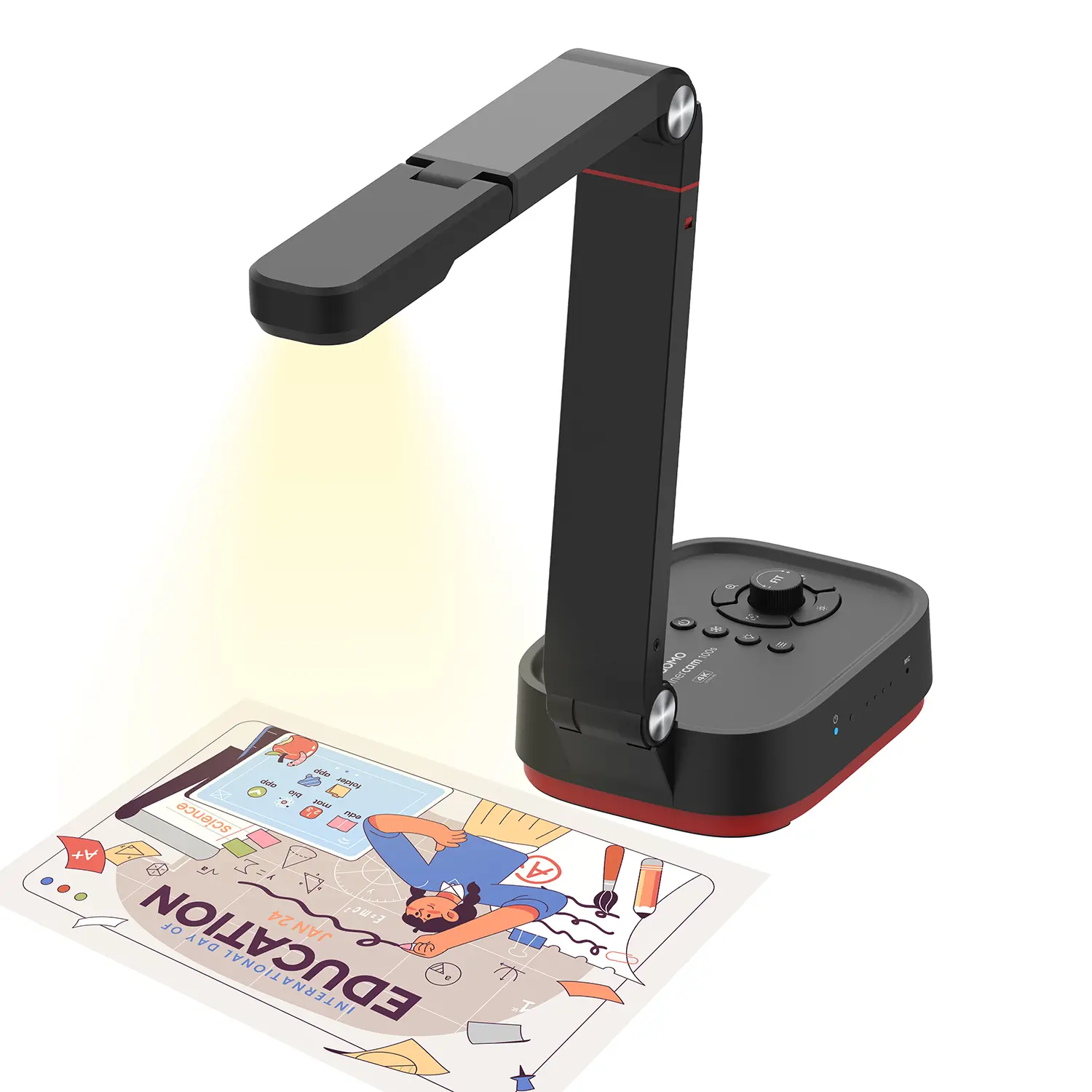
Revolutionize Your Presentations and Document Display with QWC 100S Document Camera
Enhance Call Experience: New Conference Microphone Now Available
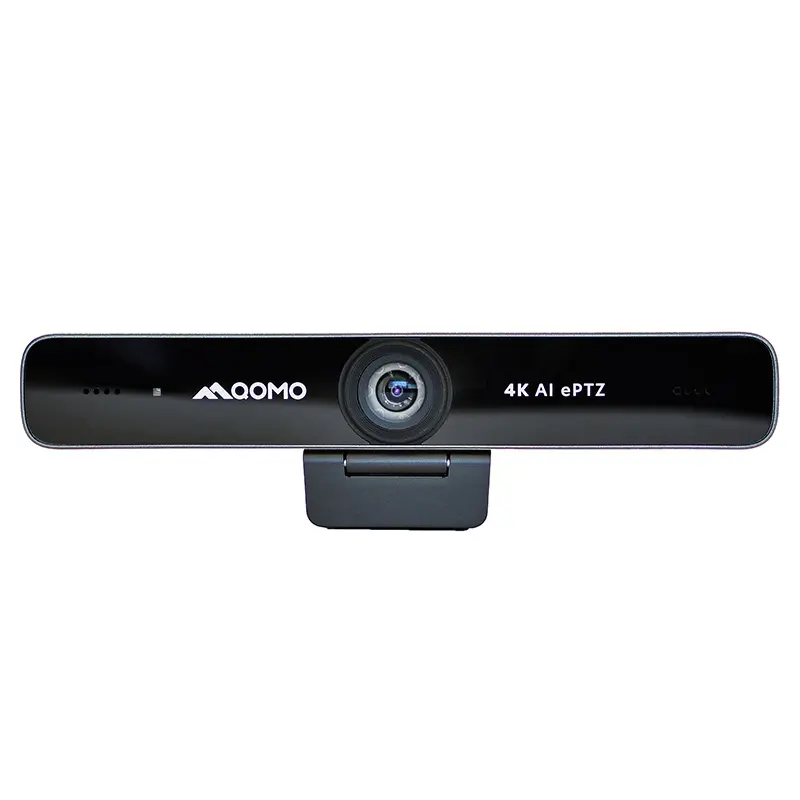
AI-Powered Face-Tracking Webcam
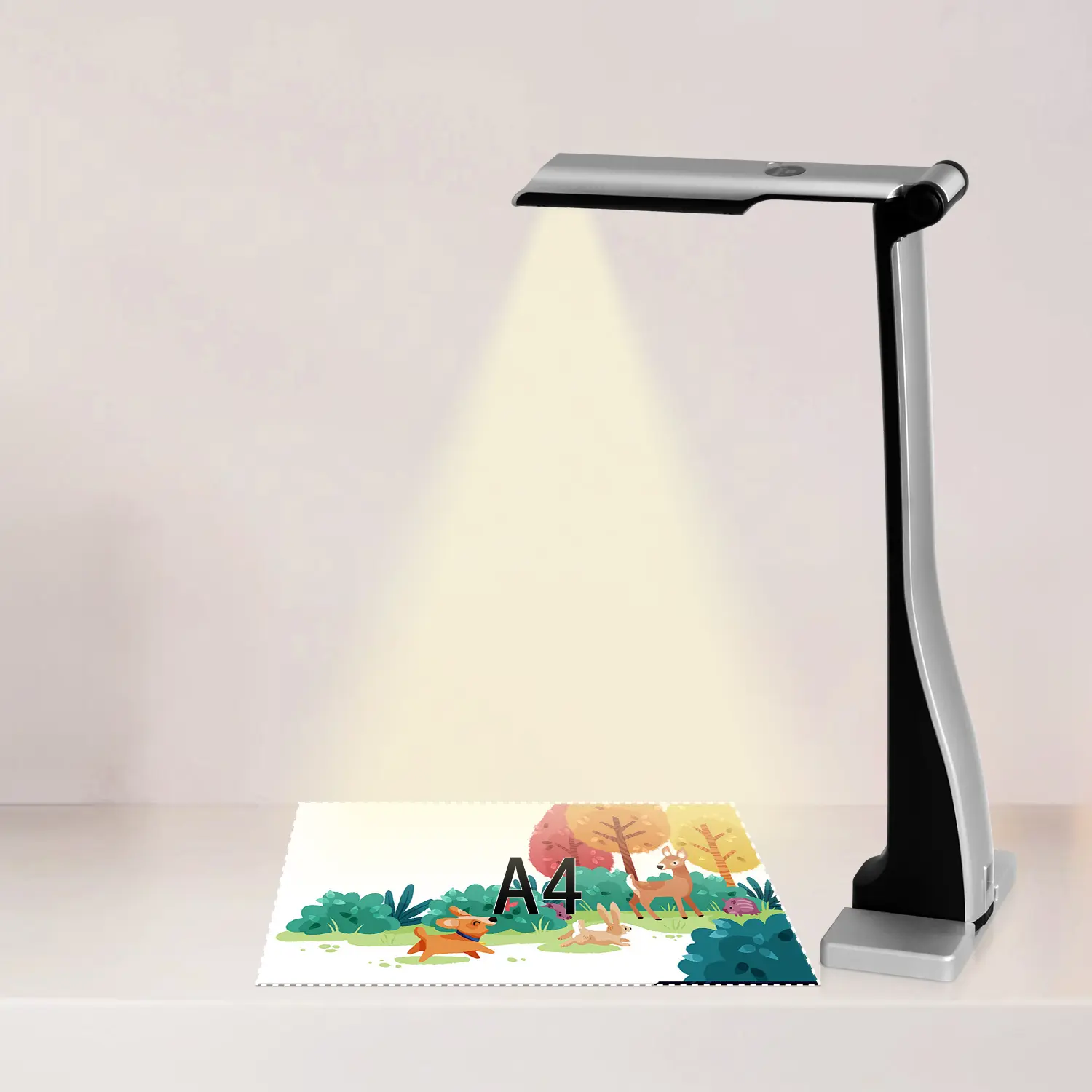
Portable Document Camera Recommendations
Classic Design, Exceptional Functionality: QPC 22 Document Camera
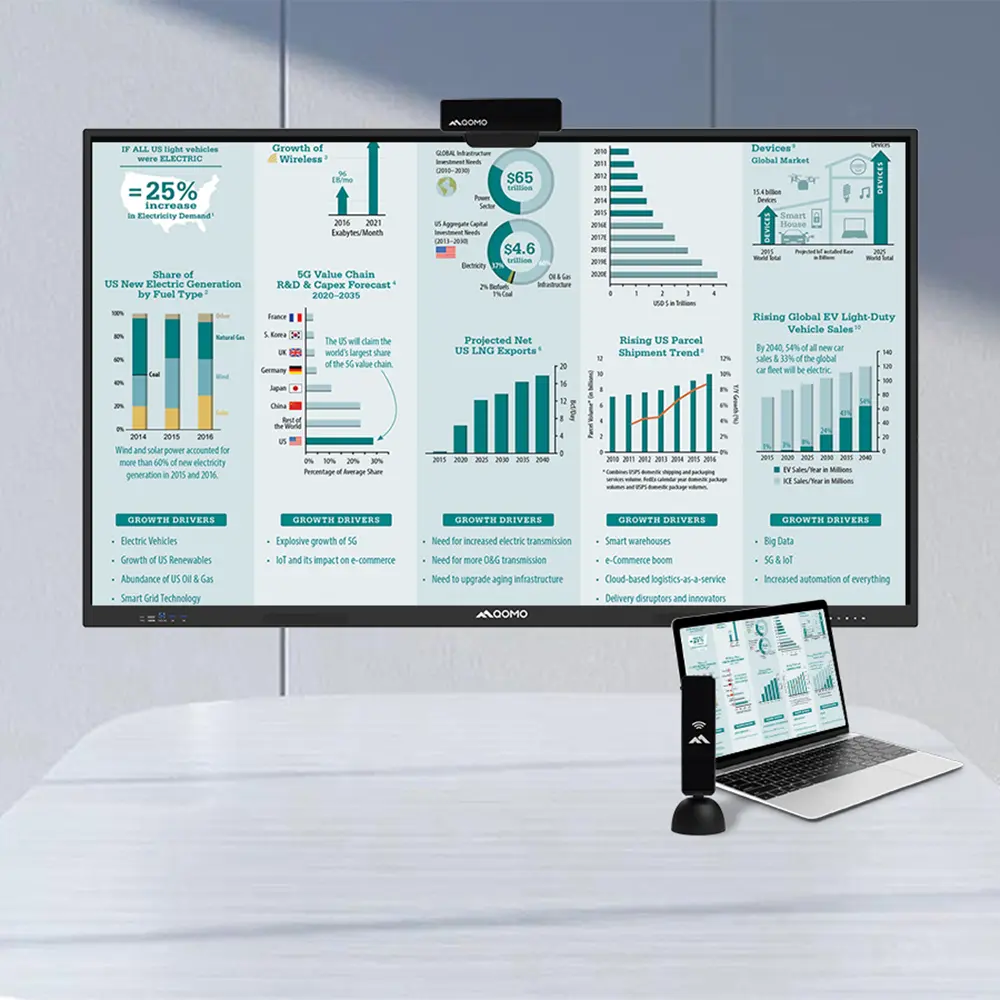
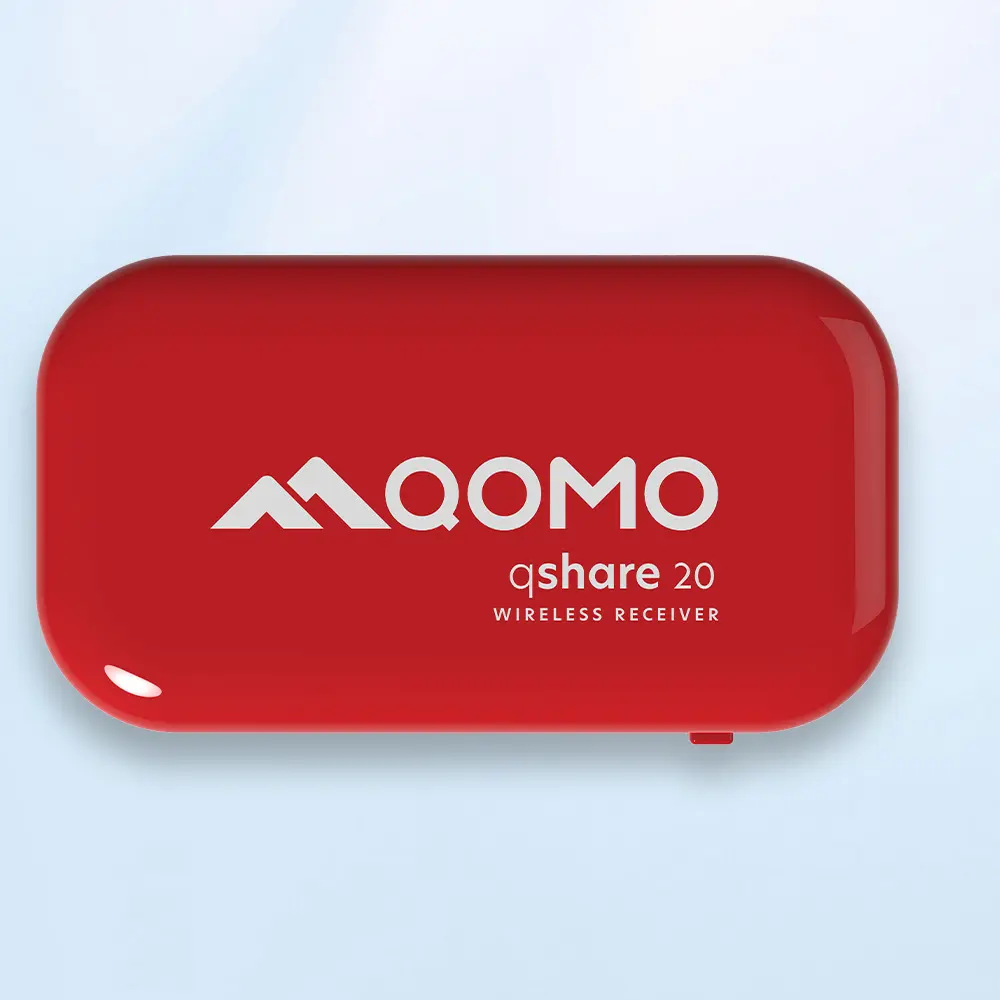
Wireless Screen Mirroring Solution for All Devices
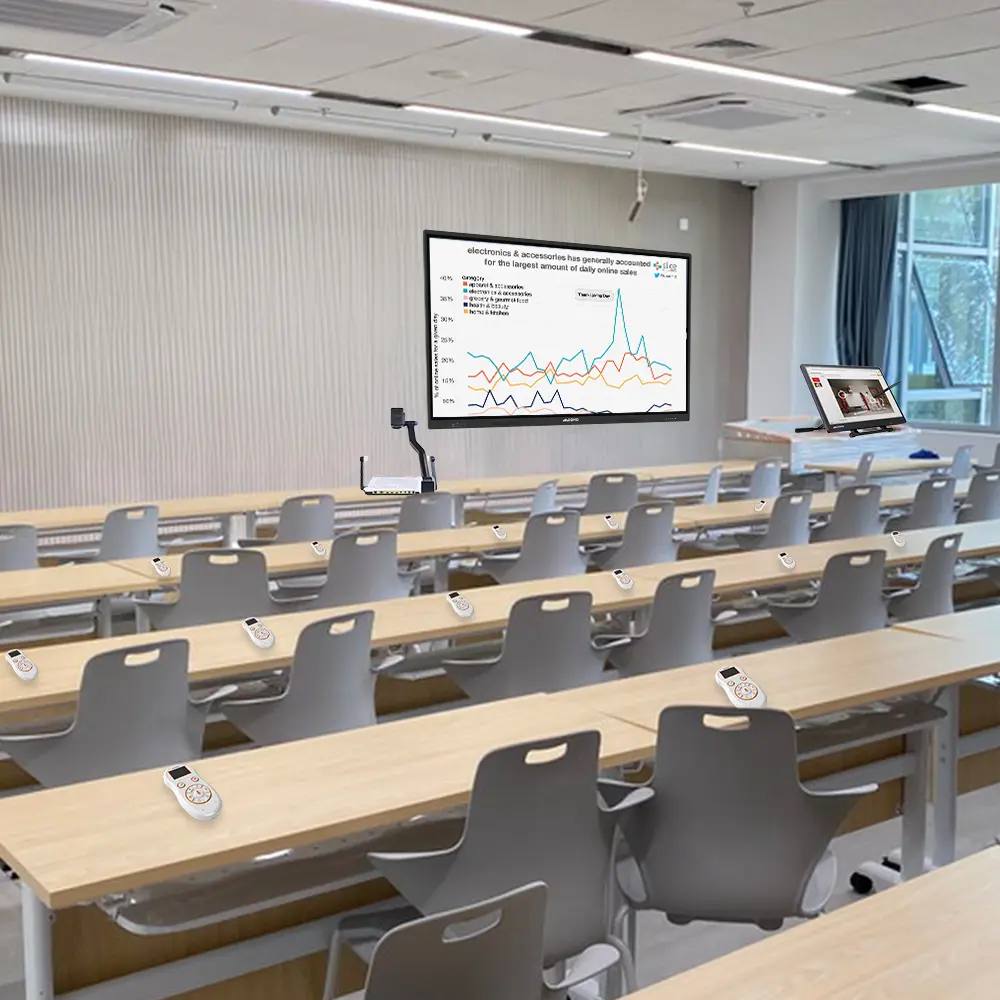
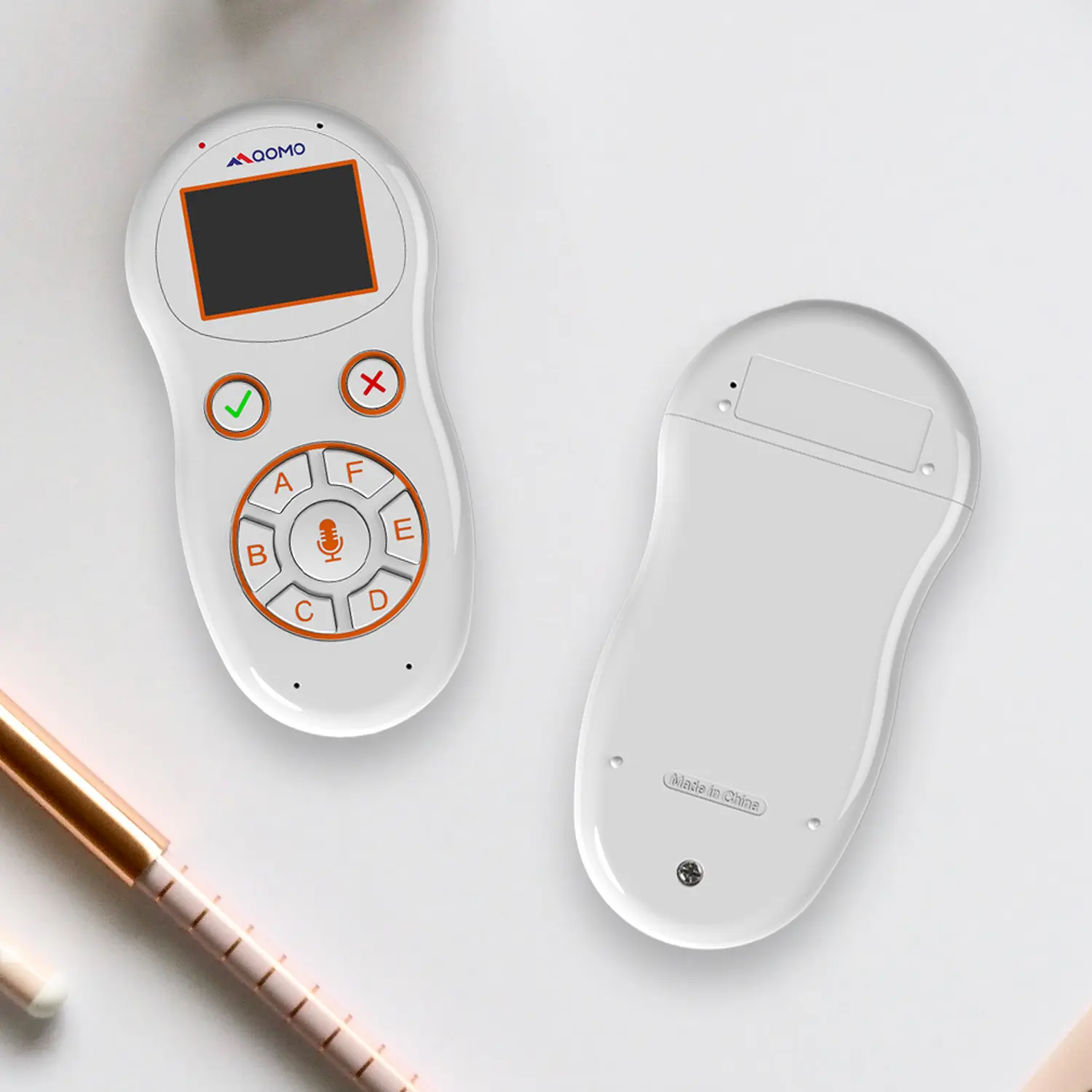
Latest Audience Response System: QRF 999
Introducing the QPC 80H3 Gooseneck Document Camera
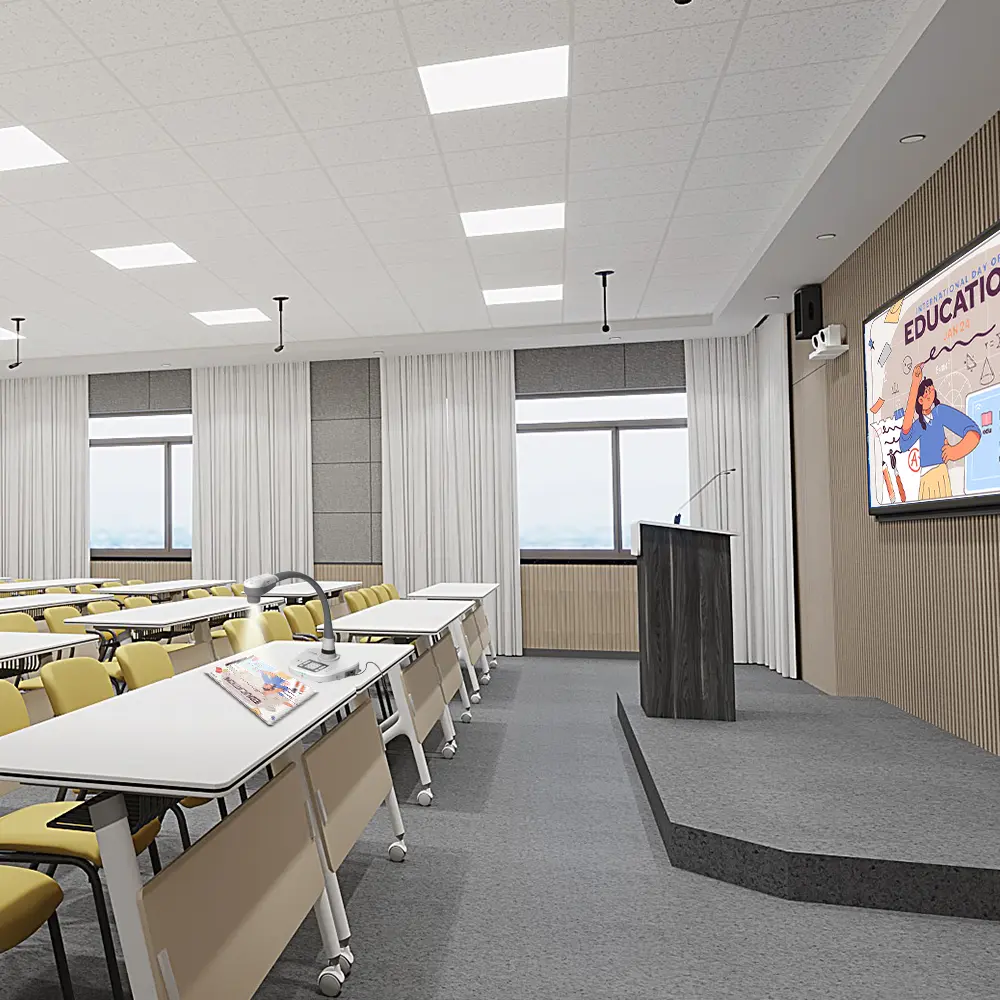
Creating a Smart Integrated Classroom: What Do You Need?
Wireless Connectivity Upgraded: WiFi-Free Wireless Document Receiver
Flow!Works Pro: Interactive Whiteboard Software for Engaging Classrooms
How to Choose the Perfect Document Camera and Elevate Productivity
QWC 004 Conference Webcam: The Top Choice for Remote Education
QCamera: Dedicated Software for Document Cameras to Elevate Your Presentations
QRF999 Voice Response System: Enhancing Teacher-Student Interaction
Work From Home? Maybe You Should Try This Document Camera
The Ultimate Educational Tool: Gooseneck Document Camera
60GHz Millimeter-Wave Wireless Screen Sharing: QShare 100
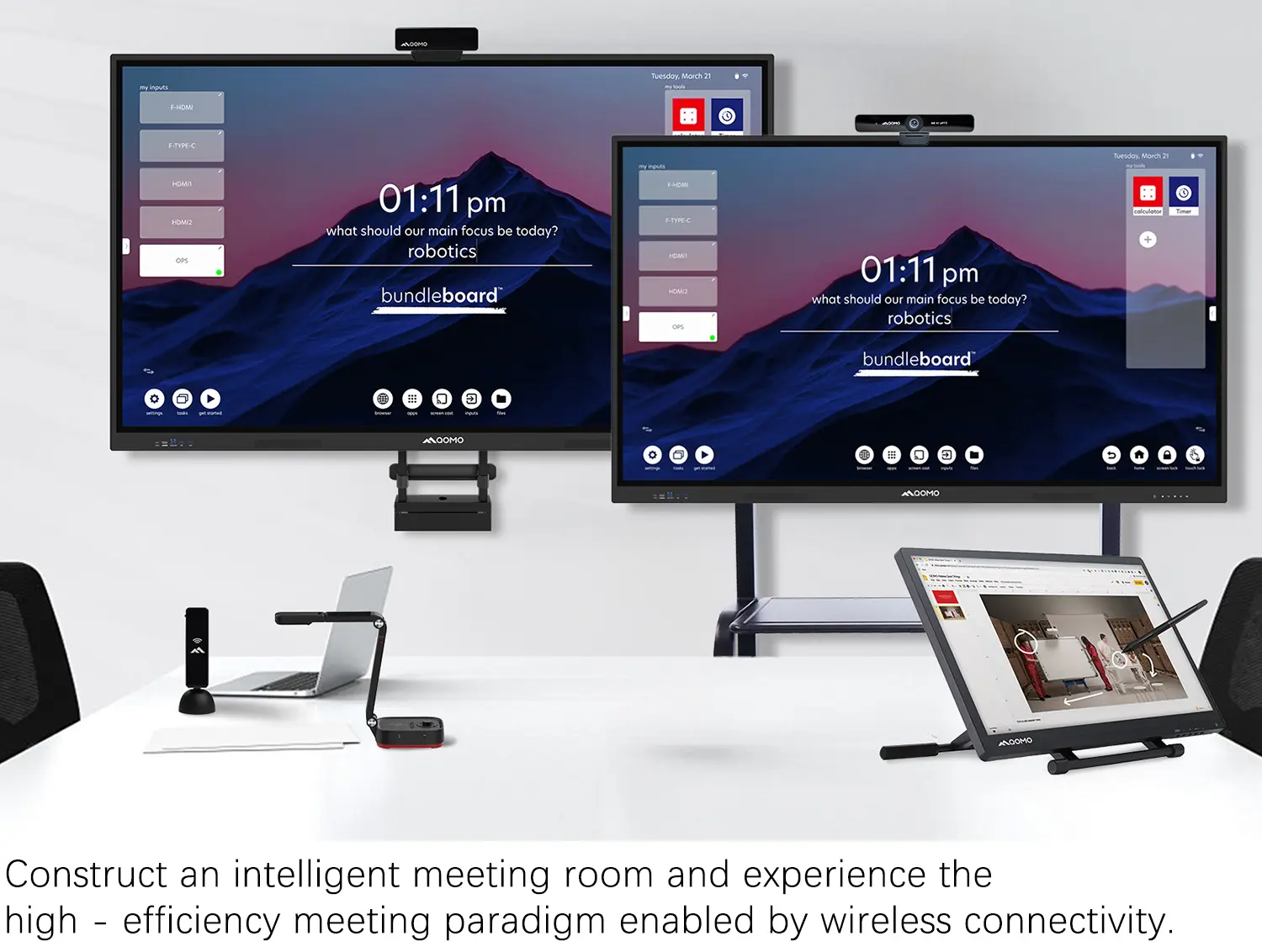
What Does a Modern Conference Room Need?
QD5000 Document Camera: Unimaginable Versatility!
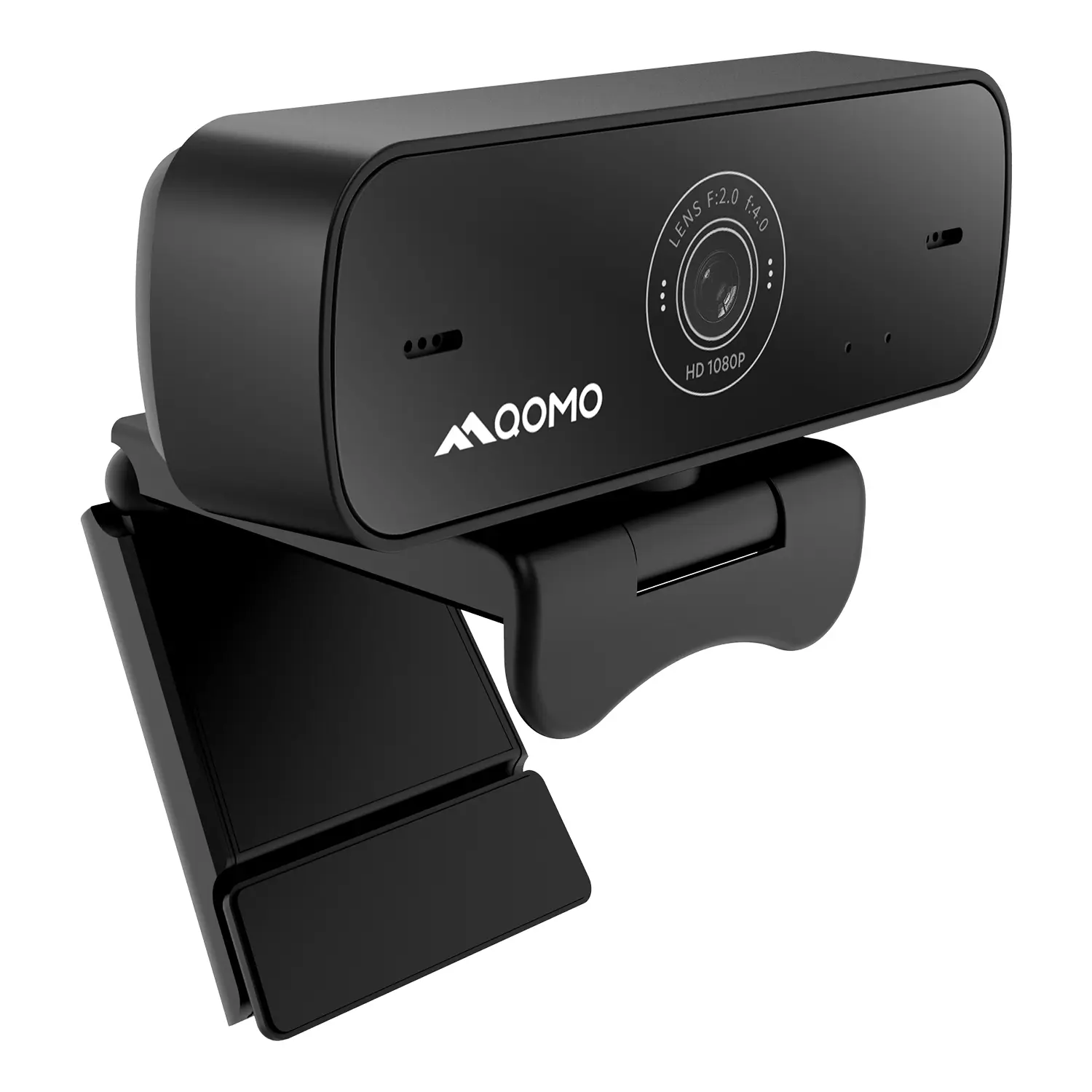
QWC 004: The Most Cost-Effective Webcam
QVote Interactive Classroom Response System Software
Functionality, Aesthetics, Portability! Meet the QWC 100S Document Camera!
Why Choose the BundleBoard H/H2 Interactive Flat Panel?
Save Your Budget—Introducing the All-New QPC 70 Document Camera!
QIT 600F3: Revolutionize Your Presentations
QCamera: Professional Document Camera Software
QPC 5: The Ultimate 4K Portable Document Camera
Elevate Your Meetings in Seconds: QWC 006 Webcam
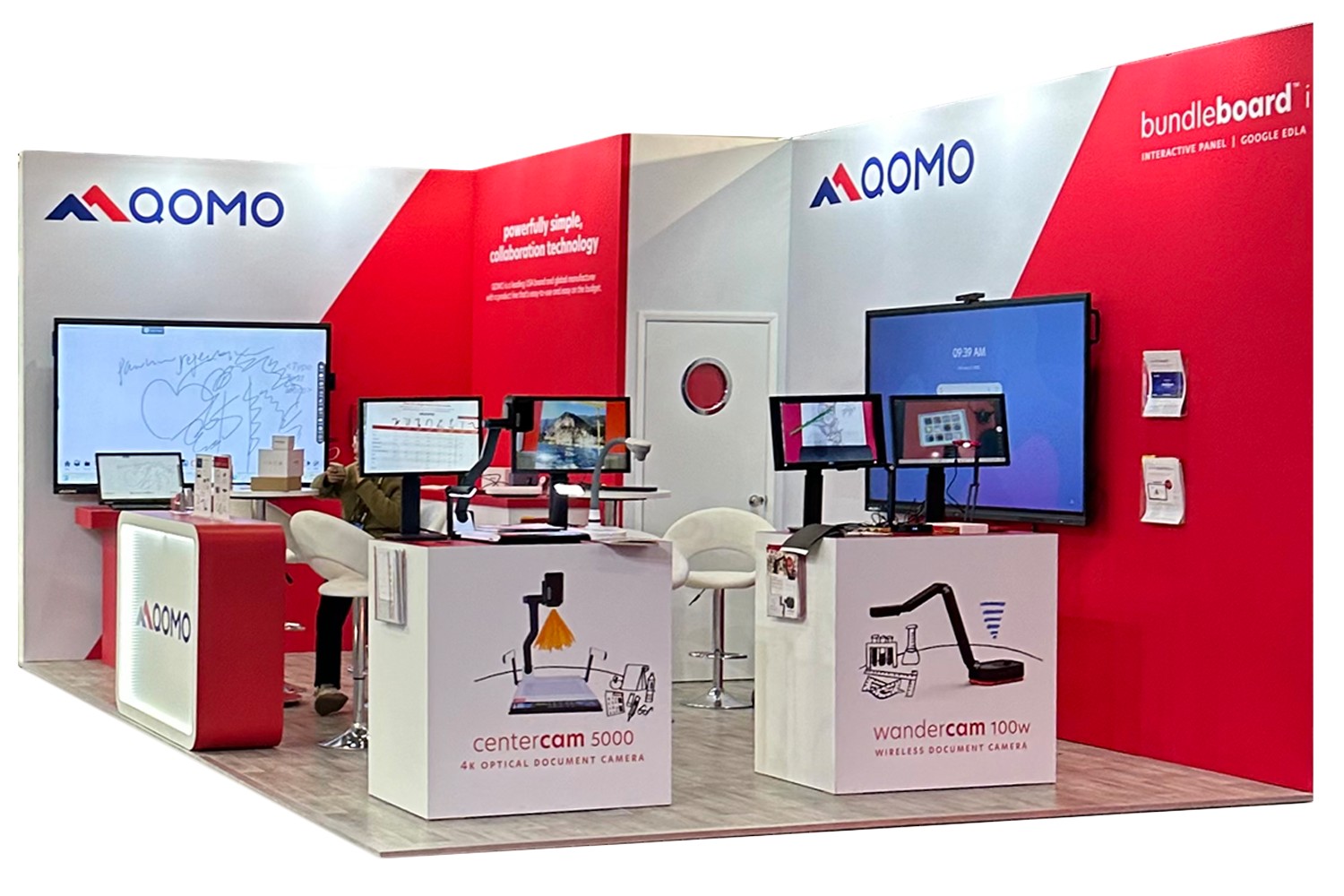
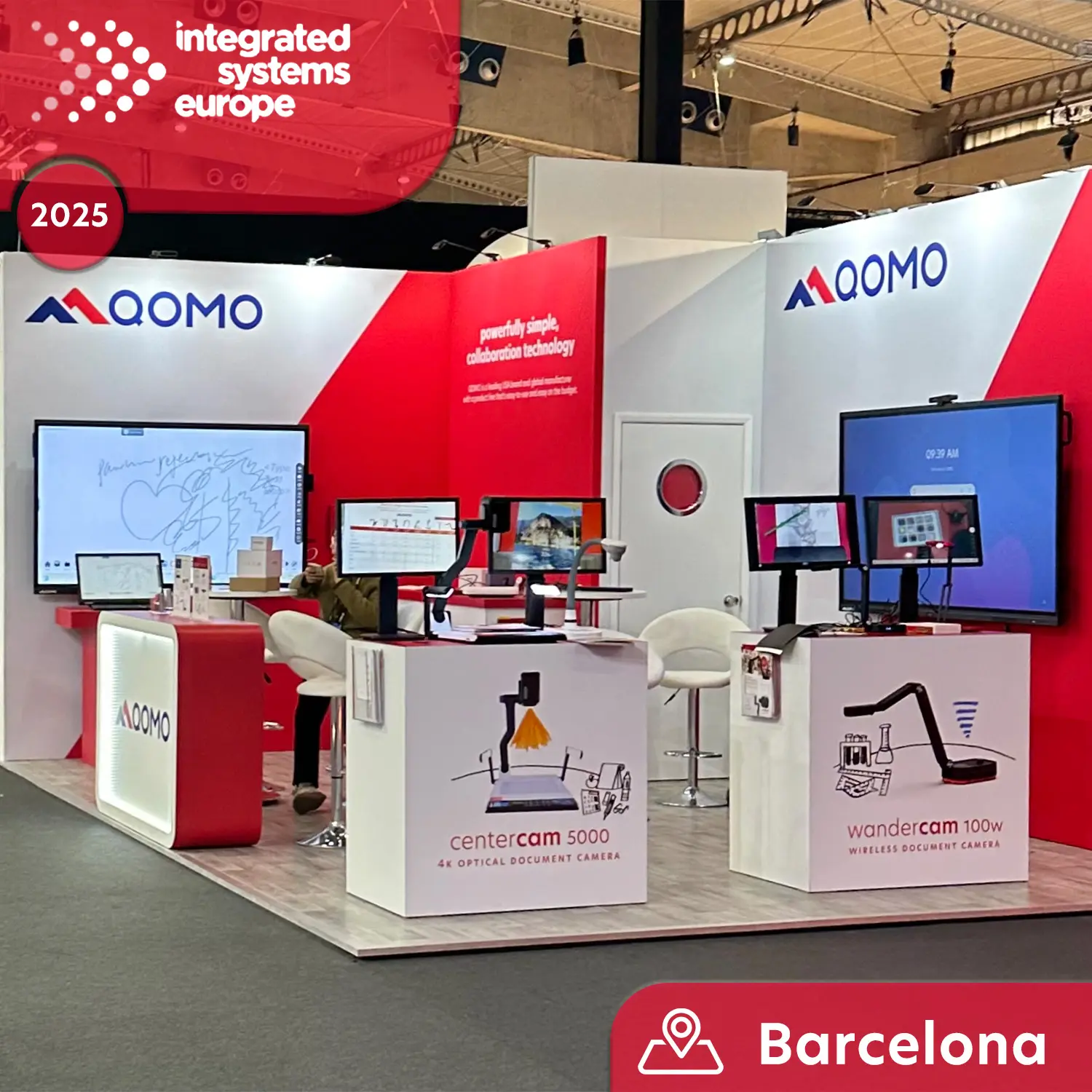
Meet QOMO at ISE 2025
Wireless Document Camera Solution, Revolutionizing Wireless Technology
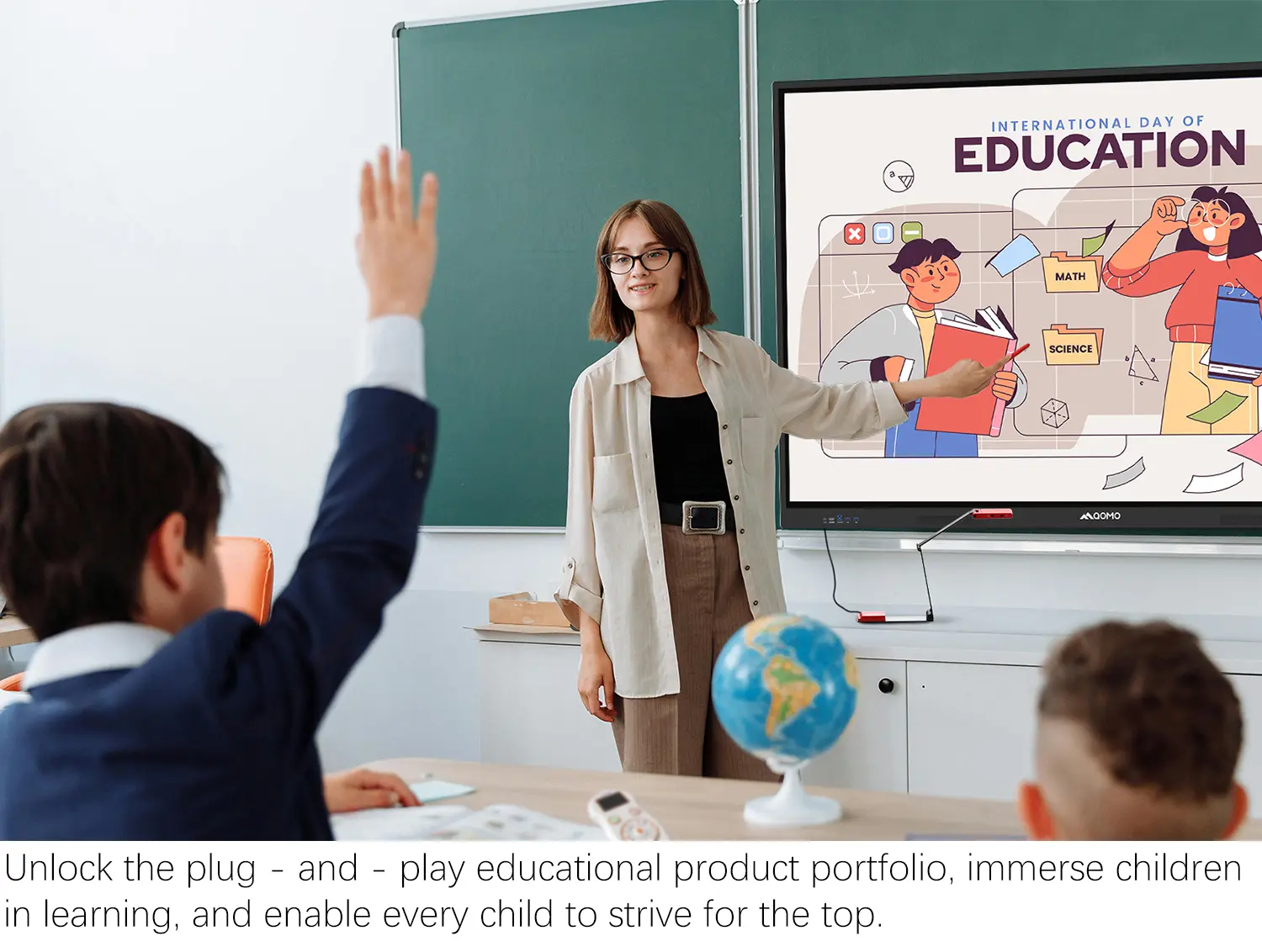
QRF Series, Transform Your Classroom!
QOMO, Building Intelligent Classrooms
QOMO QShare100 New Release
Outstanding Office Equipment Recommendations
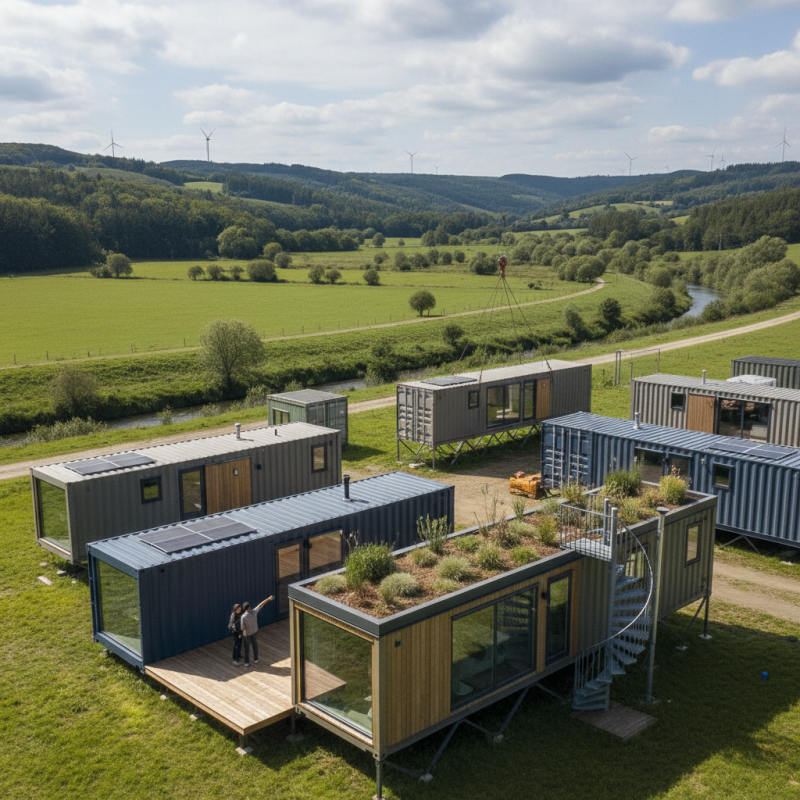
Prefab Container Houses are gaining popularity due to their unique advantages. These structures are made from repurposed shipping containers, offering an eco-friendly alternative to traditional homes. With the rise of sustainable living, many people are exploring this modern housing option.
One major benefit of a Prefab Container House is its affordability. Compared to conventional houses, these homes can save significant costs. They are also quick to assemble, reducing construction time. However, some may worry about insulation and space issues. It's essential to address these concerns for long-term comfort.
Another aspect to consider is mobility. A Prefab Container House can be relocated easily. This flexibility is appealing for those who move often. Yet, it's important to reflect on zoning laws in different areas. Overall, these houses offer innovative solutions with both pros and cons worth considering.
Prefab container houses are gaining popularity for many reasons. They offer a unique blend of functionality and aesthetics. These homes are typically made from durable shipping containers, which contribute to sustainability. Using containers means recycling materials that would otherwise remain unused. This eco-friendliness resonates with those conscious of their environmental impact.
Cost-effectiveness is another advantage. Building with prefab containers often requires less time and money than traditional methods. They can be assembled quickly on-site, reducing labor costs significantly. While this approach has its merits, challenges exist. For instance, insulation and ventilation must be carefully managed. Container homes can become hot in summer and cold in winter without proper features.
Customization is possible, but sometimes it can be limited. Buyers may envision a unique layout, only to realize constraints. Local building codes can pose challenges as well, affecting design choices. Despite these hurdles, prefab container houses remain an attractive option for many, providing creative living solutions in a compact form.
Prefab container houses have gained popularity for their cost efficiency. These structures are typically cheaper than traditional homes. The use of shipping containers reduces material costs significantly. Labor costs are also lower due to the simplicity of assembly. Many find this appealing in today’s economy.
However, there are challenges worth considering. The initial design can be limiting. Creativity is essential to make these spaces feel like real homes. Insulation and energy efficiency may need attention as well. Depending on the climate, additional investments might be required.
Moreover, zoning regulations can complicate the process. It is important to research local laws. Some areas may have restrictions on container homes. Despite these hurdles, the potential for affordable, sustainable living remains strong. Embracing prefab solutions could lead to innovative housing options in the future.
Container houses are gaining popularity due to their sustainability. They are often made from recycled materials, which reduces waste. Transforming shipping containers into homes means fewer raw materials are needed. This approach conserves energy and resources. However, some might overlook the potential issues with insulation in container homes. A well-insulated container house requires additional materials, which could offset some environmental benefits.
Moreover, container houses can be designed to be energy-efficient. Solar panels can be added, harnessing the power of the sun. Rainwater harvesting systems can also be integrated. These features can greatly reduce the carbon footprint. Despite these advantages, the initial setup can be costly and complex. It's important to evaluate long-term benefits versus upfront expenditures. The balance between cost and sustainability is often debated.
The location of the installation also matters. Urban areas can benefit more from container homes, reducing space and heating costs. Yet, rural areas may struggle with access to utilities. Overall, while the sustainable aspects are appealing, each project must be thoughtfully considered to maximize benefits.
Prefab container houses offer remarkable flexibility and versatility in design. These structures can be easily modified to fit diverse needs. Whether for housing, offices, or even pop-up shops, their adaptable nature shines through. You can stack them or arrange them side by side. This creativity opens doors to countless configurations.
Many people are surprised by how inviting container houses can be. Large windows and smartly placed doors can create a sense of spaciousness. However, there are challenges. Insulation, for instance, needs careful consideration. Improper insulation can lead to discomfort in extreme weather. Yet, with careful planning, these issues can be overcome.
The use of repurposed materials often provides a unique aesthetic. Each container has its own character, with marks and textures that tell a story. However, ensuring structural integrity is vital. Sometimes obvious flaws may distract from their appeal. The beauty of prefab container houses lies not only in their customization but also in the potential for reflection on design choices. There is always room for improvement and innovation.
| Benefit | Description |
|---|---|
| Cost-Effective | Prefab container houses are generally more affordable than traditional homes due to reduced material costs and labor. |
| Quick Assembly | These structures can be assembled in a fraction of the time it takes to build conventional houses, leading to faster occupancy. |
| Sustainable | Using repurposed shipping containers promotes sustainability and reduces waste in the construction industry. |
| Customizable | Container homes can be easily modified and reconfigured to suit personal tastes and needs, offering a high level of customization. |
| Mobility | They can be relocated with relative ease, providing flexibility for those who need to move frequently or have temporary living situations. |
| Durability | Built to withstand harsh weather and conditions, shipping containers offer a robust shelter that tends to last longer than traditional structures. |
Prefab container houses have gained popularity due to their quick assembly and installation. These homes are built off-site, allowing components to be manufactured in a controlled environment. This process reduces construction time significantly. In many cases, a prefab home can be ready for occupancy within weeks. It is an attractive option for those who need housing solutions promptly.
Consider the ease of transportation. Prefab containers can be moved easily to various locations. This mobility opens up many possibilities. You can set up a home in remote areas or on challenging terrains. However, choosing the right location still requires careful thought. Each site brings its own challenges, like access to utilities and environmental factors.
It's important to remember that while prefab homes offer speed, they might not always meet specific aesthetic preferences. Some people find them less customizable than traditional homes. Quality control during manufacturing can also pose issues. Not all manufacturers have the same standards. Therefore, research is essential before making a decision. A little more caution can go a long way in ensuring you get the right home.